The Color Purple: Context & Writers Techniques (Edexcel A-Level English Literature): Revision Notes
📚Revision Notes
The Colour Purple: Context & Writers Techniques
Context
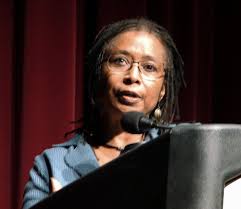
Brief Biography of Alice Walker
Early Life:
-
Born to a farmer father and a mother who worked as a maid, Alice Walker was sent to school at a young age, which was still fairly rare for African American children in Georgia at the time. Despite the expectation for children to work on farms, Walker pursued her education diligently. Education:
-
Walker graduated first in her high school class and studied at Spelman College and Sarah Lawrence College. Literary Contributions:
-
Walker played a significant role in reviving interest in the work of Zora Neale Hurston, an African American writer from the early twentieth century. Later Career:
-
Walker continues to write novels, short stories, and poetry, much of it inspired by her early life experiences in rural Georgia.
Activism:
- She became active in the civil rights movement, contributing to the struggle for equality and justice for African Americans.
Major Works:
- The Colour Purple, written in the early 1980s, brought Walker significant attention and acclaim. The novel won the Pulitzer Prize and National Book Award and was later adapted into a movie by Stephen Spielberg.
The Novel's History
- When and Where Written: The Colour Purple was written between 1981 and 1982 in New York City.
- Publication: The novel was published in 1982.
- Initial Reception: The book received widespread acclaim for its powerful portrayal of African American women and their struggles. It won prestigious awards, including the Pulitzer Prize and the National Book Award.
Literary Contexts
Historical and Political Context
- Civil Rights Movement: Alice Walker was active in the American Civil Rights Movement, which began around 1960. This movement sought to challenge and dismantle discriminatory laws and practices, particularly in the southern United States.
- Jim Crow Laws: The novel reflects the oppressive conditions under Jim Crow laws, which enforced racial segregation and disenfranchised African Americans.
- Post-Civil War Era: Although the Civil War had ended nearly a century earlier, African Americans still faced significant social and legal obstacles.
Cultural and Social Context
- Racial and Gender Dynamics: The novel explores complex issues of racism, gender, and power dynamics within African American communities and between blacks and whites.
- Influence of Other Writers: Walker's work is often discussed alongside that of Toni Morrison, Gwendolyn Brooks, and Alex Haley, who also addressed issues of race, gender, and identity in their works.
- Sexuality and Identity: It also addresses themes of sexuality and self-identity, reflecting the struggles and resilience of African American women.
Philosophical, Religious, and Intellectual Ideas
- Empowerment and Resilience: Central to the novel are themes of empowerment, resilience, and the journey towards self-discovery and independence.
- Interconnectedness: Walker highlights the interconnectedness of all human experiences, transcending race and gender.
- Spirituality: The book explores the spiritual growth of its characters, particularly Celie, and the ways in which spirituality intersects with personal and social liberation.
Useful Concepts to Be Aware of in the Novel
- Epistolary Format: The novel is written in the form of letters, providing an intimate and personal glimpse into the protagonist's thoughts and feelings.
- Intersectionality: The novel addresses the intersectionality of race, gender, and class, showcasing how these identities influence the characters' experiences and struggles.
- Female Solidarity: The importance of female solidarity and support is a recurring theme, highlighting the strength and resilience that women find in each other.
- Transformation and Redemption: The characters' journeys towards transformation and redemption are central to the narrative, emphasising personal growth and the possibility of change.
- Historical Accuracy: The novel is set against a backdrop of significant historical events, including the impacts of World War I and II on African American communities.
- Cultural Representation: Walker's portrayal of African American culture, including dialect, traditions, and social practices, adds depth and authenticity to the narrative.
Writer's Techniques
Structure and Plot
Epistolary Format
- The novel is written in an epistolary format, composed of letters primarily from Celie to God, and later between Celie and her sister, Nettie.
- This structure allows for deep insight into Celie's personal thoughts and experiences, emphasising her personal growth and resilience.
Chronological Order
- The story unfolds in chronological order, detailing Celie's life from a young age through her adulthood.
- This linear progression highlights Celie's transformation and development over time.
Multiple Perspectives
- The narrative includes letters from Nettie, providing a broader view of the world and contrasting experiences between Africa and America.
- Nettie's letters help to expand the scope of the novel, addressing themes of colonialism and cultural displacement.
Language and Style
Dialect and Vernacular
- Walker employs African American Vernacular English (AAVE) to authentically portray the characters' voices and cultural backgrounds.
- The use of dialect adds realism and depth to the characters, making their experiences more relatable and vivid.
Imagery and Descriptive Language
- Walker's descriptive language vividly portrays the rural Southern setting and the emotional landscape of the characters.
- Imagery is used to evoke the brutality of Celie's early life and the beauty she discovers later, enhancing the emotional impact of the narrative.
Symbolism
- The title itself is symbolic, with the colour purple representing beauty, spirituality, and Celie's awakening.
- Various symbols, like the purple frog and the colour purple, are woven throughout the narrative to underscore themes of transformation and self-discovery.
Symbols
The Colour Purple
- Symbolises beauty, spirituality, and the recognition of life's small joys.
- Celie's appreciation for the colour purple reflects her growing awareness and appreciation of the world around her.
The Purple Frog
- Represents Celie's transformation and Mr.'s acknowledgement of his past wrongdoings.
- The frog symbolises a shift in their relationship and Celie's newfound sense of identity and independence.
God and Spirituality
- God is a significant symbol, evolving from a traditional white male figure to a more encompassing, pantheistic view.
- Celie's spiritual journey mirrors her personal growth and quest for self-acceptance.
The Sewing and Pants Business
- Celie's pants-making business symbolises her independence and self-sufficiency.
- Sewing becomes a metaphor for mending her own life and creating a new identity beyond the roles imposed on her.