The Lonely Londoners: Context & Writers Techniques (Edexcel A-Level English Literature): Revision Notes
📚Revision Notes
The Lonely Londoners: Context & Writers Techniques
Context
Brief Biography of Sam Selvon
Early Life:
-
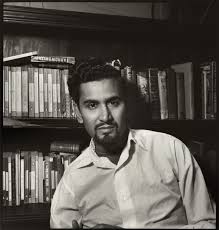
Born in Trinidad in 1923 to Indian parents, Sam Selvon was the sixth of seven children. He attended school in San Fernando and started working for the Royal Naval Reserve at fifteen. Early Career:
-
After five years as a radio operator, Selvon moved to Port of Spain, where he was a reporter and occasional literary writer for the Trinidad Guardian. During this time, he began writing seriously, often using pseudonyms. Literary Success:
-
Selvon published his first novel, A Brighter Sun, in 1952. His most widely-known work, The Lonely Londoners, came out in 1956. Over his career, he wrote thirteen books and two collections of plays.
Move to London:
-
In the 1950s, Selvon relocated to London and took a job as a clerk at the Indian Embassy. He wrote poems and short stories in his free time, which were published in various British journals. Personal Life:
-
Selvon married twice and had four children. In the 1970s, he moved to Canada, where he lived until his death at 70 during a visit to Trinidad.
The Novel's History
- When and Where Written: The Lonely Londoners was written in London.
- Publication: The novel was published in 1956.
- Initial Reception: It received critical acclaim for its portrayal of West Indian immigrants in London and has since become a seminal work in Caribbean literature.
Literary Contexts
Historical and Political Context
- West Indian Immigration: The novel is set against the backdrop of significant West Indian immigration to England. Many West Indians came to England during World War II to serve in the military or work in factories. The British Nationality Act of 1948 granted citizenship to people born in the "United Kingdom and Colonies," leading to increased immigration from places like Trinidad and Jamaica.
- Post-War England: The influx of West Indian immigrants after World War II was motivated by better economic opportunities in London compared to the West Indies. However, immigrants faced significant challenges, including racism and difficulties in achieving upward mobility.
Cultural and Social Context
- Caribbean Migrant Literature: The Lonely Londoners is part of the Caribbean Migrant Literature tradition, which explores themes of migration, integration, and postcolonialism.
- Related Works: Other notable works in this tradition include George Lamming's The Emigrants and Jean Rhys's Wide Sargasso Sea. Frantz Fanon's Black Skin, White Masks also provides a theoretical backdrop, examining the psychological effects of racism and interracial dynamics.
Philosophical, Religious, and Intellectual Ideas
- Identity and Belonging: The novel delves into the complexities of identity and belonging for West Indian immigrants in London, grappling with cultural dislocation and the community search.
- Racism and Colonialism: It critiques the subtle racism and colonial attitudes that persist in post-war England, often referred to as "the old English diplomacy".
- Upward Mobility: The characters' struggles to achieve upward mobility in a society that often marginalises them is a central theme, highlighting the systemic barriers they face.
Useful Concepts to Be Aware of in the Novel
- Creolized English: Selvon's use of creolized English captures the nuanced vernacular of his characters, providing authenticity and depth to their voices. This stylistic choice enhances the cultural and linguistic richness of the novel.
- Episodic Structure: The novel's episodic structure focuses on character sketches and anecdotes rather than a linear plot. This approach allows for a multifaceted exploration of the immigrant experience in London.
- Racism and Discrimination: Understanding the historical context of racism and discrimination in post-war England is crucial for appreciating the challenges faced by the characters.
- Community and Solidarity: The novel emphasises the importance of community and solidarity among the West Indian immigrants, portraying their shared experiences and mutual support.
- Migrant Experience: Themes of displacement, adaptation, and resilience are central to the novel, reflecting the broader migrant experience and the ongoing search for identity and belonging.
Writer's Techniques
Structure and Plot
Episodic Structure
- "The Lonely Londoners" follows an episodic structure, with loosely connected episodes focusing on various characters and their experiences in London.
- This structure reflects the fragmented and often disjointed experiences of the Caribbean immigrants, highlighting their struggles and small victories in an unfamiliar environment.
Non-linear Narrative
- The narrative does not follow a strict chronological order, often moving back and forth in time to provide background on characters and their histories.
- This technique allows Selvon to create a more in-depth understanding of the characters and their motivations, emphasising the complexity of their lives.
Vignettes
- The novel is composed of vignettes, each providing a snapshot of the characters' lives and experiences.
- This method effectively captures the diversity of experiences within the immigrant community, illustrating the varied challenges and moments of joy they encounter.
Language and Style
Creole and Dialect
- Selvon uses a blend of Standard English and Caribbean Creole, reflecting the authentic speech patterns of the characters.
- This linguistic choice enhances the realism of the novel, allowing readers to immerse themselves in the characters' world and understand their cultural background.
Stream of Consciousness
- Selvon employs stream of consciousness in sections of the narrative, particularly in Moses's reflections.
- This style provides insight into the inner thoughts and feelings of the characters, revealing their fears, hopes, and frustrations in a raw and unfiltered manner.
Humour and Irony
- Humour and irony are prevalent throughout the novel, often used to critique social issues and highlight the absurdities of the characters' situations.
- These elements serve to lighten the tone of the narrative while also providing sharp social commentary on the challenges faced by immigrants.
Symbols
London
- London itself is a central symbol in the novel, representing both opportunity and alienation for the Caribbean immigrants.
- The city is depicted as a place of both promise and hardship, where the characters must navigate systemic racism and economic difficulties to find their place.
The Thames
- The Thames River symbolises the constant flow and change in the characters' lives, reflecting their ongoing struggles and resilience.
- It also serves as a reminder of the physical and emotional distance from their homeland, as well as the journey they have undertaken to reach London.
Weather
- The cold and often harsh weather in London contrasts with the warmth of the Caribbean, symbolising the difficult adjustment the immigrants face in their new environment.
- The weather also reflects the emotional states of the characters, with the bleakness of the city often mirroring their feelings of isolation and homesickness.