The Picture of Dorian Gray: Context & Writers Techniques (Edexcel A-Level English Literature): Revision Notes
📚Revision Notes
The Picture of Dorian Grey: Context & Writers Techniques
Context
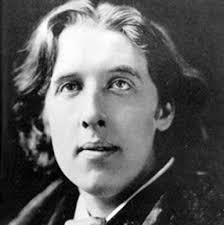
Brief Biography of Oscar Wilde
Early Life:
-
Oscar Wilde was born in Dublin, Ireland, and studied there before moving to Oxford to further his education. Career:
-
Wilde became a prominent and fashionable writer in London, known for his wit and involvement in the Aestheticism movement. His writing, characterised by sharp social critique and clever dialogue, earned him a significant literary reputation.
Controversies and Later Life:
- Wilde's homosexuality and controversial views led to legal troubles. In 1895, he was imprisoned for gross indecency and spent two years in jail, during which he wrote some of his most tragic works. After his release, he moved to France and died there in 1900.
The Novel's History
- When and Where Written: The Picture of Dorian Gray was written between 1889 and 1890 in London.
- Publication: The novel was initially published in Lippincott's Monthly Magazine in July 1890.
- Initial Reception: The novel faced criticism for its moral ambiguity and perceived decadence but has since become a classic of English literature.
Literary Contexts
Historical and Political Context
- Victorian London: The novel captures the essence of Victorian London, highlighting its societal norms, class divisions, and moral hypocrisies. Dorian's excursions into opium dens reflect the era's fascination with and fear of the city's underbelly.
- Aestheticism Movement: Wilde was a proponent of Aestheticism, which emphasised the pursuit of beauty and art for art's sake. This philosophy is central to the novel, influencing its themes and characters.
Cultural and Social Context
- Inspirations: Wilde drew inspiration from the themes of Faust and Dr. Jekyll and Mr. Hyde, both of which explore the consequences of unchecked ambition and the duality of human nature.
Philosophical, Religious, and Intellectual Ideas
- Aestheticism and Moral Consequences: The novel examines the consequences of living a life devoted solely to beauty and pleasure, questioning the moral implications of such a philosophy.
- Duality and Identity: Wilde explores the duality of human nature, as seen in Dorian's public persona versus his hidden corrupt soul, encapsulated by the portrait.
- Influence and Corruption: The character of Lord Henry Wotton embodies the corrupting influence of hedonistic ideals, serving as a catalyst for Dorian's moral decline.
Useful Concepts to Be Aware of in the Novel
- Omniscient Narration: The novel uses an omniscient narrator, providing insights into the thoughts and motivations of various characters, particularly Dorian Grey and Lord Henry Wotton.
- Gothic Elements: The novel incorporates Gothic elements such as the mysterious portrait, dark atmospheres, and themes of horror and decay.
- Aestheticism: Understanding the principles of Aestheticism is crucial to grasping the motivations of the characters and the novel's thematic focus on beauty and art.
- Symbolism: The portrait itself is a powerful symbol, representing Dorian's inner corruption and the consequences of his hedonistic lifestyle.
- Cultural Impact: The Picture of Dorian Gray has had a lasting impact on literature and popular culture, influencing various adaptations and interpretations.
Writer's Techniques
Structure and Plot
Three-Part Structure
- "The Picture of Dorian Grey" can be divided into three parts: Dorian's initial innocence, his descent into corruption, and his eventual downfall.
- This structure highlights the transformation of Dorian from a naive young man into a figure consumed by vanity and moral decay.
Pacing and Development
- The novel's pacing varies, with detailed descriptions of Dorian's indulgent lifestyle interspersed with moments of rapid action.
- This contrast serves to emphasise the dual nature of Dorian's existence, both languid and suddenly violent.
Language and Style
Aestheticism and Imagery
- Wilde's language is rich with imagery, often focusing on the visual and sensory details that reflect Dorian's obsession with beauty.
- Descriptions of the painting and various luxurious settings underscore the novel's aesthetic themes.
Epigrams and Wit
- Wilde employs epigrams and witty dialogue, particularly through the character of Lord Henry, to critique social norms and explore philosophical ideas.
- These elements add a layer of sophistication and irony to the narrative, reflecting Wilde's views on art and society.
Symbolic Use of Language
- Language in the novel often carries symbolic weight, such as references to "the yellow book," which symbolises the corrupting influence of decadent literature on Dorian.
- The transformation of the portrait itself is described in a language that evokes horror and fascination, highlighting the moral implications of Dorian's actions.
Symbols
The Portrait
- The central symbol in the novel, the portrait represents Dorian's inner self, showing the effects of his corrupt lifestyle while his outer appearance remains unchanged.
- The portrait's deterioration mirrors Dorian's moral decline and serves as a constant reminder of the consequences of his actions.
The Yellow Book
- Given to Dorian by Lord Henry, the yellow book symbolises the decadent and corrupting influence of certain philosophies and lifestyles.
- It serves as a catalyst for Dorian's further descent into hedonism and moral ambiguity.
Flowers and Nature
- Flowers, particularly those associated with Dorian, symbolise both beauty and the transient nature of life.
- The recurring motif of flowers reinforces the themes of aestheticism and the fleeting nature of physical beauty.