Wuthering Heights: Context & Writers Techniques (Edexcel A-Level English Literature): Revision Notes
📚Revision Notes
Wuthering Heights: Context & Writers Techniques
Context
Brief Biography of Emily Brontë
Early Life:
-
Emily Brontë was born to a clergyman in Yorkshire. She left home at age six to join her sisters at a harsh boarding school. After the deaths of two sisters, Emily and Charlotte returned home. The Brontë Family:
-
Emily's sisters, Charlotte and Anne, were also accomplished writers. The Brontës' collaborative literary efforts and their tragedies—such as the early deaths of four siblings from tuberculosis—add a poignant context to their works. Major Work:
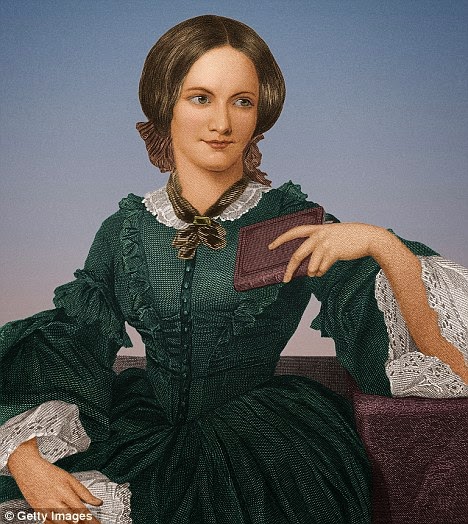
- Wuthering Heights was published in 1847, a year before Emily's death from tuberculosis. Despite her limited literary output, she is considered one of the great novelists of the 19th century.
The Novel's History
- When and Where Written: Wuthering Heights was written in the 1840s in Yorkshire, England.
- Publication: The novel was published in 1847.
- Initial Reception: The novel initially received mixed reviews for its dark themes and complex narrative structure but has since become a classic of English literature.
Literary Contexts
Historical and Political Context
- American Revolution: The novel's action coincides with the American Revolution, symbolising the struggle of the common man against established power. Heathcliff's rise can be seen as a personal revolution against the established families of the Earnshaws and the Lintons.
- Social Class and Inheritance: The novel explores themes of social class and inheritance, reflecting the rigid class structures of 18th and 19th-century England.
Cultural and Social Context
- Gothic Literature: Wuthering Heights contains elements of Gothic literature, including mysterious family relationships, vulnerable heroines, houses full of secrets, and wild landscapes.
- Romanticism: The novel is also influenced by Romanticism, which values natural goodness, imagination, and the sublime aspects of nature and spirituality over urbanity and technology.
- Realism: The novel has aspects of Realism, similar to George Eliot's Middlemarch, in its detailed depiction of life in a provincial village.
Philosophical, Religious, and Intellectual Ideas
-
Nature and the Sublime: The wild, untamed moors play a crucial role in the novel, symbolising the raw and powerful emotions of the characters.
-
Social Critique: Brontë critiques the social hierarchies and gender norms of her time, presenting a complex view of the power dynamics within and between families.
-
Revenge and Redemption: The novel explores themes of revenge and redemption, particularly through the character of Heathcliff and his relationships with Catherine and the other inhabitants of Wuthering Heights and Thrushcross Grange.
Useful Concepts to Be Aware of in the Novel
- Narrative Structure: The novel uses a frame narrative, with Nelly Dean, a housekeeper, telling the story to Mr. Lockwood, who then relays it to the reader. This structure creates a layered and often unreliable narrative.
- Gothic and Romantic Elements: The novel's Gothic elements include the dark, brooding atmosphere and the themes of passion and revenge. Its Romantic elements highlight the connection between the characters and the natural world.
- Character Complexity: Characters such as Heathcliff and Catherine are morally ambiguous, embodying both protagonist and antagonist roles. Their intense, destructive relationship drives much of the novel's plot.
- Setting: The novel is set in the Yorkshire moors, which play a symbolic role in the narrative. The isolated and harsh landscape mirrors the turbulent emotions of the characters.
Writer's Techniques
Structure and Plot
Frame Narrative
- Wuthering Heights employs a frame narrative, where the story is told through multiple layers of narrators.
- The primary narrative is relayed by Nelly Dean to Mr. Lockwood, who then passes it on to the reader, adding depth and complexity to the storytelling.
Nonlinear Timeline
- The novel features a nonlinear timeline, with frequent flashbacks and shifts in time.
- This structure emphasises the cyclical nature of the characters' experiences and the persistence of past events in shaping their present.
Multiple Perspectives
- The use of multiple perspectives allows for a multifaceted exploration of characters and events.
- Nelly Dean and Mr. Lockwood offer contrasting viewpoints, highlighting the subjective nature of storytelling and interpretation.
Language and Style
Gothic Elements
- Brontë's language incorporates Gothic elements, creating a dark, brooding atmosphere.
- Descriptions of Wuthering Heights and the surrounding moors evoke a sense of isolation and wildness, enhancing the novel's eerie and mysterious tone.
Symbolic Descriptions
- Brontë uses symbolic descriptions to reflect the characters' emotions and themes.
- For example, the weather often mirrors the tumultuous relationships and emotional states of the characters, such as the stormy night of Mr. Earnshaw's death.
Realism and Detail
- The novel features detailed, realistic descriptions of the setting and characters, grounding the supernatural and Gothic elements in a believable context.
- This blend of realism and Gothicism enhances the impact of the novel's themes and character dynamics.
Symbols
Wuthering Heights
- Wuthering Heights itself symbolises raw, untamed nature and primal emotions.
- The house and its inhabitants are closely connected to the wild, rugged moors, representing a world untouched by social norms and conventions.
Thrushcross Grange
- In contrast, Thrushcross Grange symbolises civilisation, refinement, and social order.
- The house represents the tamed, controlled aspects of society, standing in opposition to the wildness of Wuthering Heights.
The Weather
- The frequent storms and harsh weather in the novel symbolise the uncontrollable forces of nature and emotion.
- Characters are often depicted as being at the mercy of these forces, reflecting their inner turmoil and conflicts.
Ghosts and the Supernatural
- Ghosts and supernatural elements in the novel symbolise the enduring impact of past events and relationships.
- Catherine's ghost, in particular, represents the unresolved passion and connection between her and Heathcliff, transcending even death.