Political and economic decisions: acceleration of globalisation (Edexcel A-Level Geography): Revision Notes
📚Revision Notes
Political and economic decisions: acceleration of globalisation
🔗 International, political and economic organisations and national governments have promoted policies that have helped globalisation take place
International and Global Organisations
International and Global Organisations
| International Monetary Fund (IMF) | World Bank | The World Trade Organisation (WTO) | |
|---|---|---|---|
| What they do | Based in DC Lends money on a global scale. Also gives direct grants to developing countries | Based in Switzerland | |
| Role in globalisation | Promotes global economic & financial stability Encourages developing countries to accept FDI and open up their economies to free trade | Lends money to the developing world to fund economic development & ↓ poverty Has helped developing countries develop links in the global economy | Reduces trade barriers between countries Facilitates free trade through a series of global agreements |
| Evaluation | The rules & regulations are seen as controversial ↳ Especially in relation to the financial conditions imposed on the borrowing governments | Distributed $64 bn in loans and grants But WB also imposes strict conditions on its loans and grants All of the WB presidents have been US citizens | Failed to stop the world's richest nations from subsidising their own food producers ↳ This protectionism is harmful to farmers in developing countries who want to trade on a level playing field |
National Governments
Trade Blocs
🔗 Governments have also promoted the growth of trade blocs
To trade freely with neighbours or more distant allies, agreements have been drawn up allowing state boundaries to be crossed freely by flows of goods and money
| EU | A trade bloc with intergovernmental agreement on trade within the group of 28 countries and common tariffs on goods from outside the bloc. ↳ ↑ political and economic interactions within the bloc and also ↑ the global power of the bloc |
|---|---|
| ASEAN | An agreement between 10 SE Asian countries to link their production and markets to create equal economic development and a competitive region integrated with the global economy. ↳ Part of the agreement is for easy flows of people, goods and finance between the countries • attracted a lot of FDI |
Tariffs
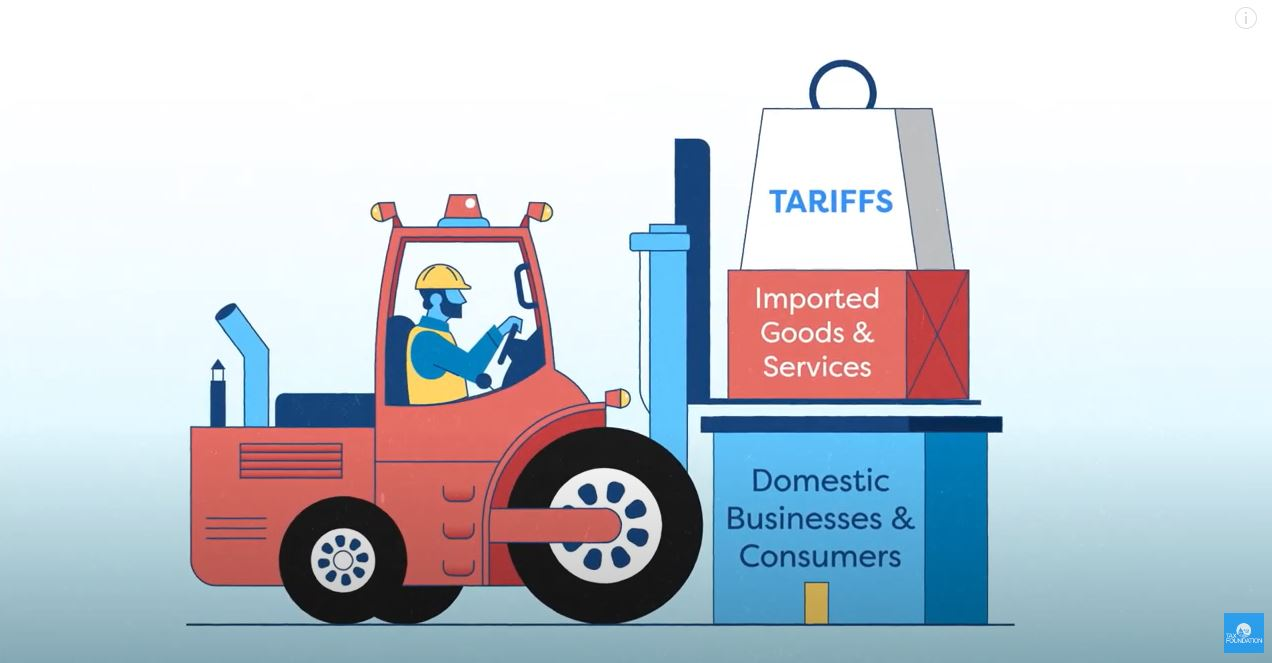
🔗 Removal of internal tariffs within the block brings many benefits for companies:
- Removing barriers to intra-community trade, markets for firms grow
- Firms that have a comparative advantage in the production of a particular product or service should prosper as they do not have to pay tariffs like their counterparts
- Enlarged market ↑ demand, raising the volume of production and ∴ lowering manufacturing costs per unit
-
Tariffs*
FDI
↳ Foreign direct investment Types of FDI:
| Offshoring | Some TNCs build their own new production facilities in offshore low-wage economies |
|---|---|
| Foreign mergers | Two firms in different countries join forces to create a single entity |
| Foreign acquisitions | When a TNC launches a takeover of a company in another country |
| Transfer pricing | Some TNCs have sometimes channels profits through a subsidiary company in a low-tax country |
Policies
- Free Market Liberalisation Belief that government intervention in markets impedes economic development
As overall wealth ↑, trickle down will take place from the richest members of society to the poorest
Privatisation
Allows the privatisation of the national services and infrastructure
Running such services is expensive ∴ by allowing privatisation, it saves money for the governments
Privatisation
Encouraging Business Start Ups
Methods include lowering business taxes allowing businesses to make more profit
SEZs
Large areas of land reserved for economic purposes near major transport hubs
↳ The national government exempts businesses within these zones from taxes