Assessing the success of regeneration (Edexcel A-Level Geography): Revision Notes
📚Revision Notes
Assessing the success of regeneration
🔗 The criteria to judge for success are the economic, social and environmental changes that have taken place as a consequence of regeneration strategies.
- Timescale is important because regeneration takes time, especially for multiplier effects to occur. Different stakeholders have different views about success: a conflict matrix is a good way of analysing
Measuring the Success of Economic Regeneration
The success of economic regeneration can be assessed using measures of income, poverty and employment (both relative and absolute changes) - not only within areas but also by comparison to other more successful areas.
↳ Enables variations within each measure to be assessed in order to understand why one regeneration project is more successful
than another and to evaluate whether such a project would be successful elsewhere.
Measuring Success of Social Progress
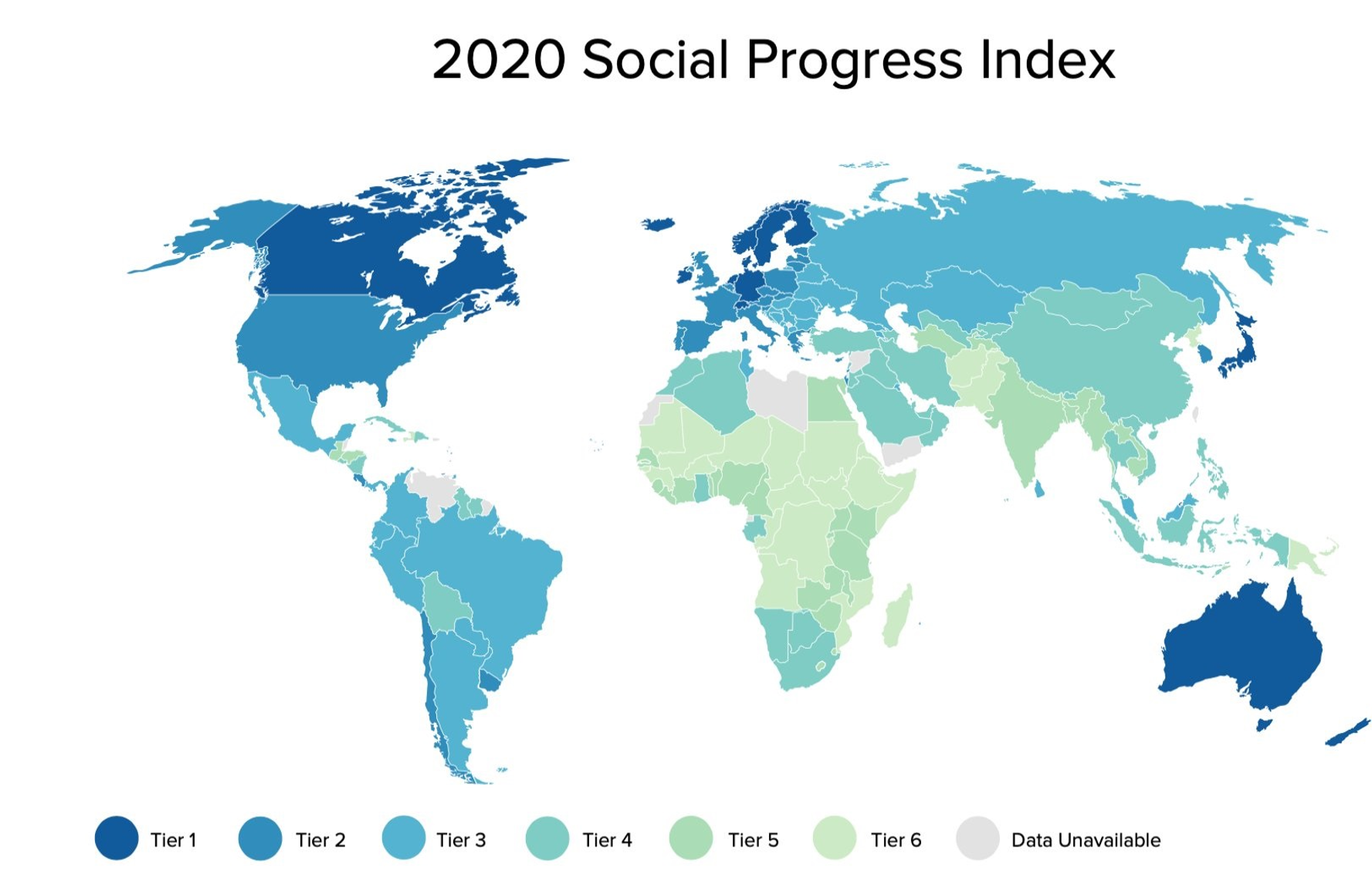
Reductions in inequalities, improvements in social measures of deprivation (IMD) and demographic changes (improved life expectancy and reductions in health deprivation) are all measures of successful social progress.
Measuring Improvements in Living Environments
- Reduced air pollution and reductions in abandoned and derelict land are measures of successful environmental
- Such reductions are often achieved through removal of contaminants from former industrial sites, creation of parks, wetlands and cycle paths, together with regenerating housing to improve energy The 2012 London Olympics in Stratford, E.London is a good example of environmental improvement - much of which occurred during the construction phase across a 350 ha area of abandoned and derelict land.
What a Regenerated Area is Like - Indicators of Success
- Regenerated areas should show signs of improved economic performance and quality of life
- A key indicator of success is population change, with demographic growth indicating that areas are popular and people are moving
- However, a decline in the 70+ population can indicate that older residents are being pushed out, for example where studentification has led to a large increase in the 18-24 yr old population.
- Increased inward migration may also not be a useful indicator if poverty is perpetuated, just with differing sets of people.
- Data can often suggest successful regeneration, yet this can be coupled with greater inequality in areas close by which have not been regenerated
- Furthermore, increases in employment levels and reduced levels of poverty may indicate successful regeneration of a region - but this can still be comparatively worse when considering levels in a national