Patterns of power change over time and can be uni-, bi-, or multi-polar (Edexcel A-Level Geography): Revision Notes
📚Revision Notes
Patterns of power change over time and can be uni-, bi- or multi-polar
Patterns of Power Changes
1800-1919: British Empire - Uni-polar
1919-1939: Inter-war period - Multi-polar
1945-1990: USA vs USSR, Cold War - Bi-polar
1990-2030: USA globalised era - Uni-polar
2030+: Future - Unipolar? Bi-polar? Multi-polar?
Geopolitics - Can Exhibit Different Types of Polarity
- Unipolar → World dominated by 1 superpower
- Appear stable but experiences frequent challenges as hard to achieve universal control
- Bi-Polar → Two superpowers, w/ opposing ideologies, compete for power
- Stability depends on diplomatic channels of communication between the 2 blocs & ability of superpowers to control the countries in their block
- Multi-Polar → Many superpowers and emerging powers compete for power in different regions
- Very complex due to numerous relationships ∴ often misunderstandings w/ regards to intentions - creates instability when emerging powers compete w/ each other
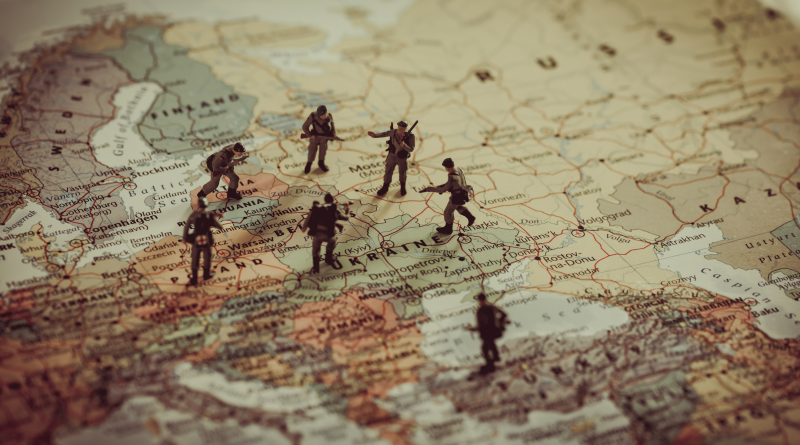
- Very complex due to numerous relationships ∴ often misunderstandings w/ regards to intentions - creates instability when emerging powers compete w/ each other
Geopolitics
Phases of Empire Building
| Mercantile Phase | ● Small colonies conquered on coastal fringes & islands ● Forts, navy • protect trade in raw materials and slaves |
|---|---|
| Imperial Phase | ● Coastal colonies extend inland • covering large territories ● Religion, competitive sport and language introduced to colonies ● Gov institutions with home country administrators set up ● Complex trade develops |
Colonial → Refers to the direct control exerted over territories conquered by mainly European powers in the period 1600 to 1900. Ruled by force
The British Empire (UNIPOLAR)
At its height the British Empire held power of ¼ of the world and ⅕ of its population. The empire was known as the empire where 'the sun never sets' due to its geographical spread.
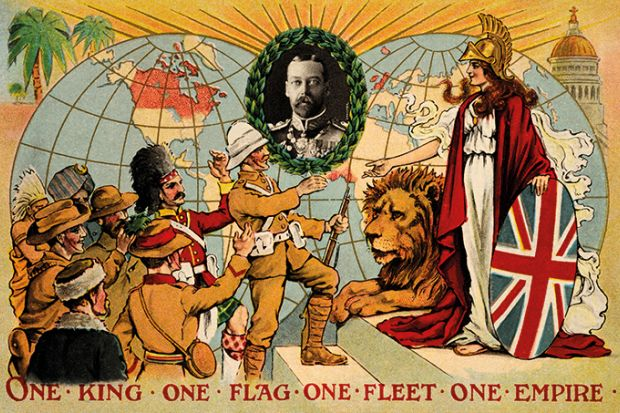
The British Empire (UNIPOLAR)
How it was Controlled
At its height it extended over about ¼ of the world's land area & ruled about of the population
-
19th C Britain was leading trading country & first to industrialise ∴ it was very wealthy
-
Britain invested in its navy until it was the most powerful - maintaining sea power was crucial
-
Britain forces took direct control over the trading in countries and ran them to protect their trade & make Britain richer
-
British control involved (hard) and soft - Introduction of sports to many countries and conversion of many to Christianity The End of the Empire (Post-colonial era)
-
Running costs were large - after WW1 Britain could no longer afford it
-
Focus on post-war construction at home - colonies were seen as less important
-
After WW1 the right of any country to control another came under attack - independence movements forced Britain to abandon control
-
Global trade changed: New industrial powers (Germany, USA) created new markets & + competition
-
Military technology of others advanced: Britain could not protect all its colonies from new superpower USSR How Colonies were Controlled Directly: Colonial India
-
British military personnel, civil servants and entrepreneurs emigrated to India to run the Raj
-
Educated Indians (speaking English, European clothing) occupied lower admin jobs
-
Process of acculturation undertaken as British traditions were introduced
-
Strict order maintained, separated the White ruling British from the Indians
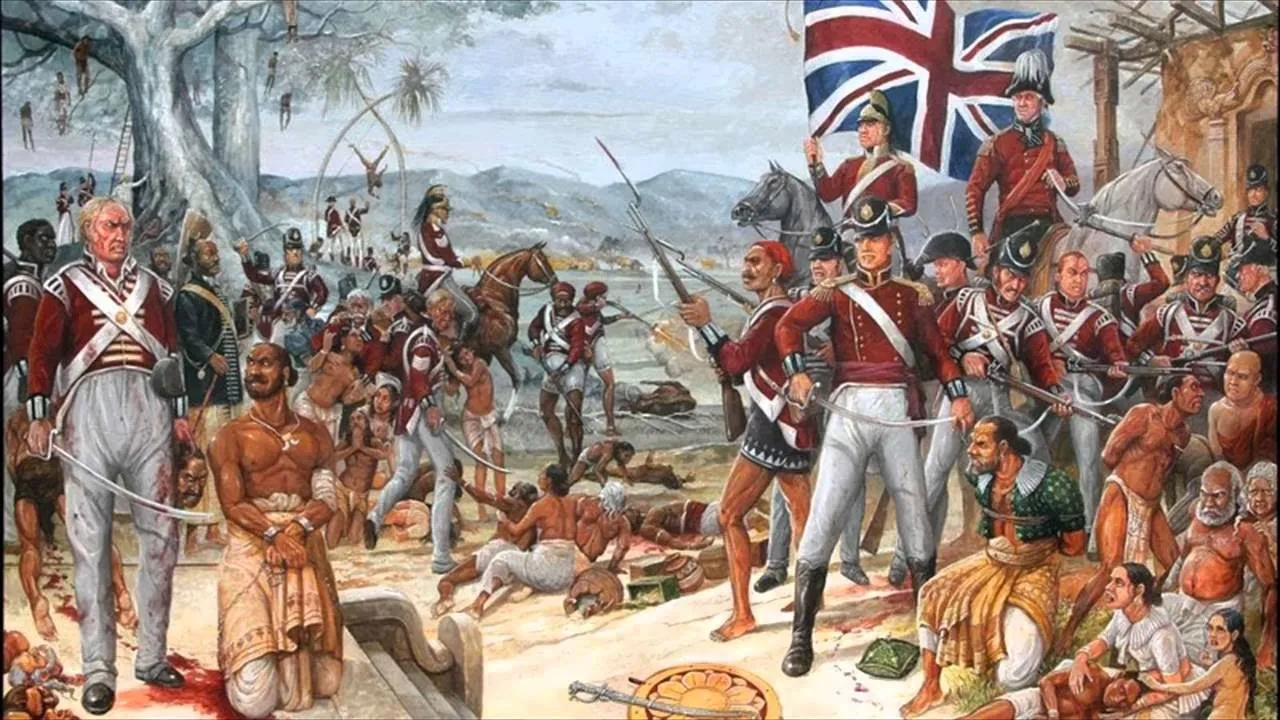
Colonial India
Acculturation → A process of cultural change that takes place when two different cultures meet and interact; it includes the transfer of a dominant culture's ideas on to a subordinate culture
Neo-Colonialism
An indirect form of control that means newly independent countries were not actually completely independent
Possible ways of neo-colonialism control:
- Strategic alliances → Military relations between developing nations & superpowers
- Aid → Development aid has conditions - agreement to policies
- TNC investment → Investment = jobs and wealth - dependent on agreement to policies
- Terms of trade → Low export prices, high import prices - hinders development
- Debt → Developing countries borrow from developed - used as leverage later on
- Control over institutional economic institutions → International organisations (eg. WTO, IMF) regulate & control the international economy
Key Concept: Hegemony
Describes the dominance of a superpower over the other countries
- Military forces can give dominance
- Cultural influences: Education systems teaching a particular ideology, religion which can influence political ideologies, news & media controls the messages people hear ∴ dominant global power = USA has outlets such as CNN, Disney, Pixar
The Cold War
Cold war → No shooting involved - direct conflict
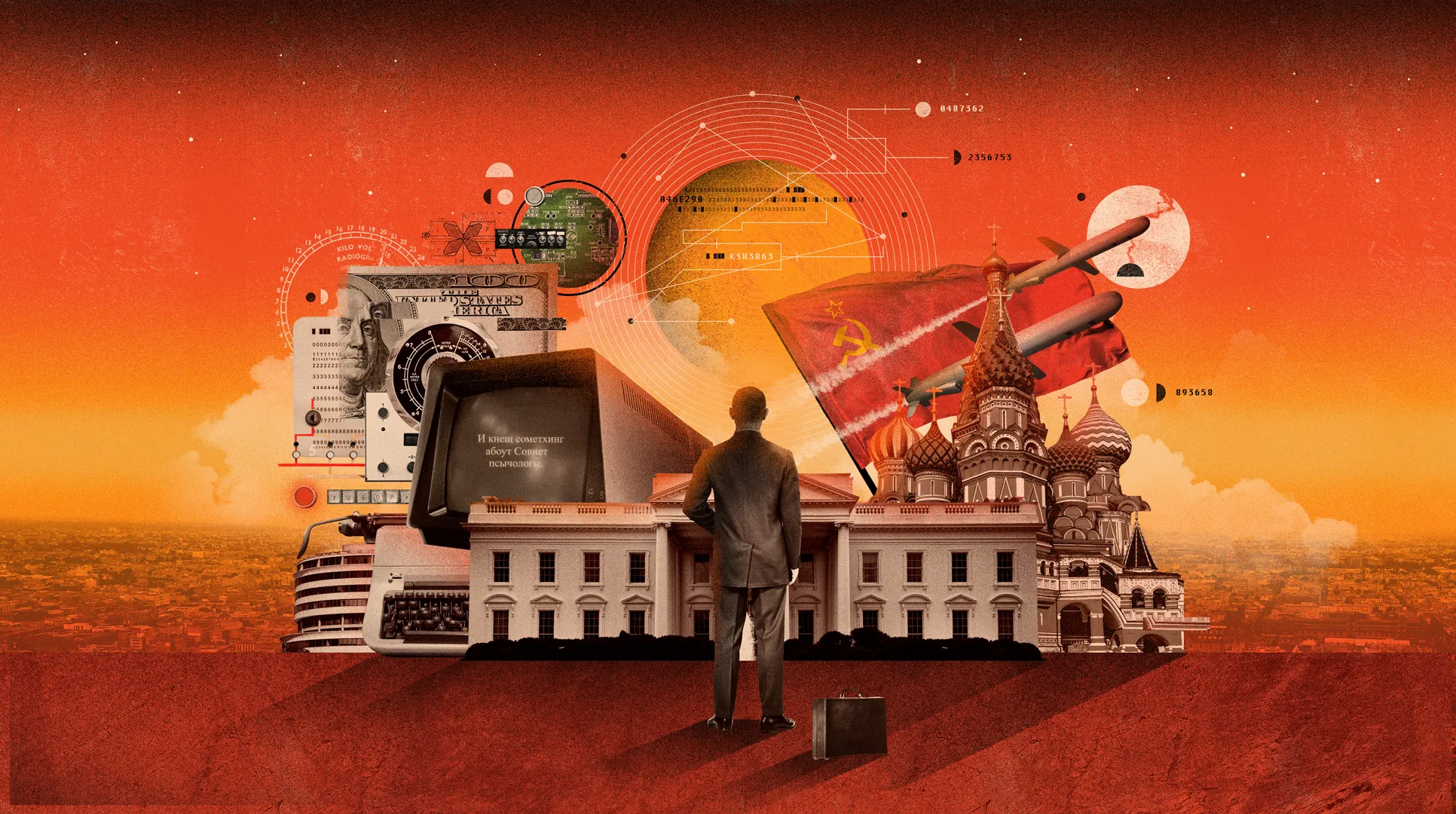
The Cold War
The development of nuclear weapons changed how power was maintained during the cold war - Nuclear warfare stalemate agreed - the superpowers developed indirect control over other countries instead (Political, economic, military, cultural) Proxy wars during the cold war
- Korean war (1950-1953) - Division to N (Russian backed) and S (USA backed) Korea
- Vietnam war (1955-1975)
- Cuban Missile Crisis (1962) War involving Britain → Mau Mau uprising - Kenya = cost of £55 million
Comparison between USA and USSR superpowers during the cold war
| USA | USSR | |
|---|---|---|
| Human Resources | 287 million population (1989) | 291 million population (1991) |
| Physical Resources | Raw materials = mostly self-sufficient. Imported oil | Raw materials = mostly self-sufficient. Exported oil |
| Economic System | Capitalist, free market economy & global TNCs | Socialist, centrally planned economy; most businesses = status owned |
| Political System | Democracy | Dictatorship |
| Allies | W. Europe through NATO Strong economic & military ties to Japan & S. Korea | E Europe (warsaw pact countries) & alliances w/Cuba & other developing nations |
| Military Power | Largest Navy, most powerful airforce w/ ring of bases around USSR. Large nuclear arsenal & global network of nuclear bases Extensive global intelligence • CIA | V. large ary & large (often outdated) naval & airforce Nuclear weapons Troops stationed in E. Europe Extensive global intelligence • KGB |
| Cultural Influence | Film, radio, TV & music = powerful for conveying positive view of consumerism, family values, democracy & affluence to global audience | Exported a 'high' culture message focused on ballet, classical music & art Strict censorship |
Why USSR Lost the Cold War
- Size of economy
- Arms race (Russians could not afford to keep up)
- Proxy wars and supporting allies
- Invasion of Afghanistan