Superpowers and Emerging Nations Shape Global Decisions on People and the Environment (Edexcel A-Level Geography): Revision Notes
📚Revision Notes
Superpowers and Emerging Nations Shape Global Decisions on People and the Environment
When in a global crisis, the nations called upon reflect the number of aspects of power they have
3 Types of Global Action
- Conflict prevention
- Crisis response
- Climate change mitigation USA are sometimes referred to as the Global Police as they tend to intervene militarily in foreign countries the most frequently.
Alliances
Military Alliances
Key element if the superpower status
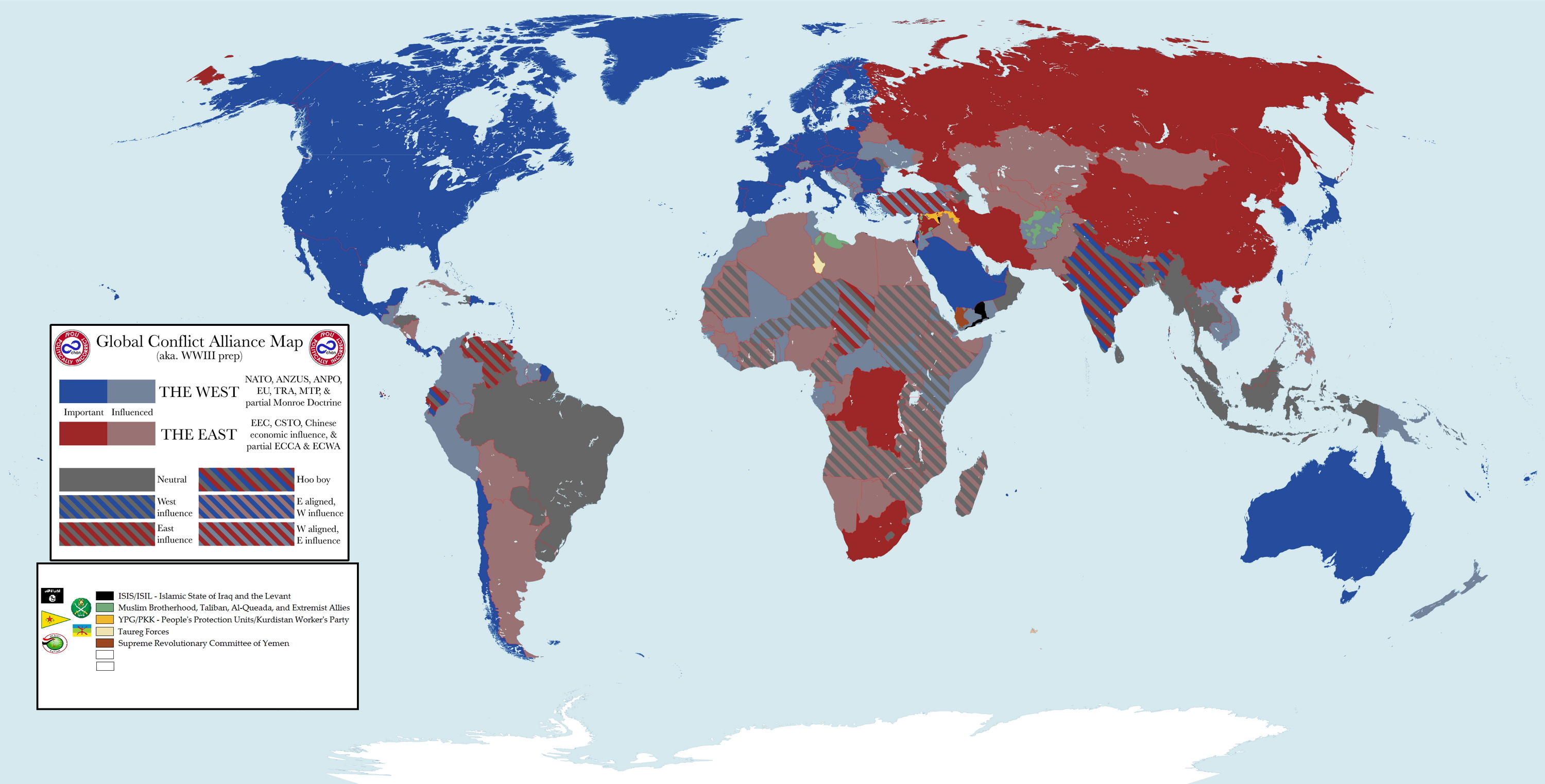
- NATO
- Important because of the strength in numbers
- Has a mutual defence agreement, meaning if one member is threatened, all others come to its aid
- ANZUS
Economic Alliances
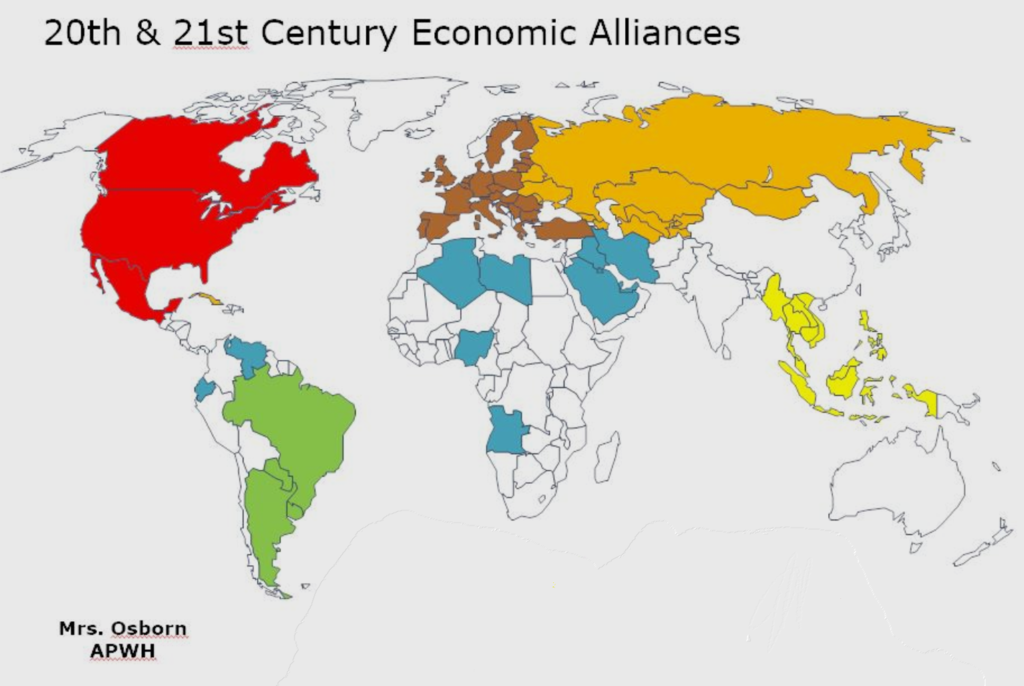
Economic Alliances
- EU
- 27 member countries
- Single market of 500 million people through which most goods, services and people can move freely
- NAFTA
- ASEAN
Global and Geopolitical Stability
UN set up to maintain global peace & security
- International court of justice - Settles legal disputes between nations
- The Security council
- UN peacekeeping missions - Send troops to conflict regions to help keep the peace
- UN climate change conferences - Assess progress in tackling climate change and to negotiate agreements
UN Security Council
- Primary global mechanism for maintenance of international peace and security
- 5 permanent members and 10 rotating non-permanent members (change every 2 yrs) Maintain international law by:
- Applying sanctions to countries that are deemed to be a security risk, harbouring terrorism, threatening or invading another state or breaching human rights
- Authorising the use of military force against a country
- Authorising UN Peacekeeping Force: Troops occupy a country or region under the UN flag to keep the peace in a conflict but do not take sides Any 1 of the 5 permanent members can veto a decision