Case Study → Contested Borders in Rwanda (Edexcel A-Level Geography): Revision Notes
📚Revision Notes
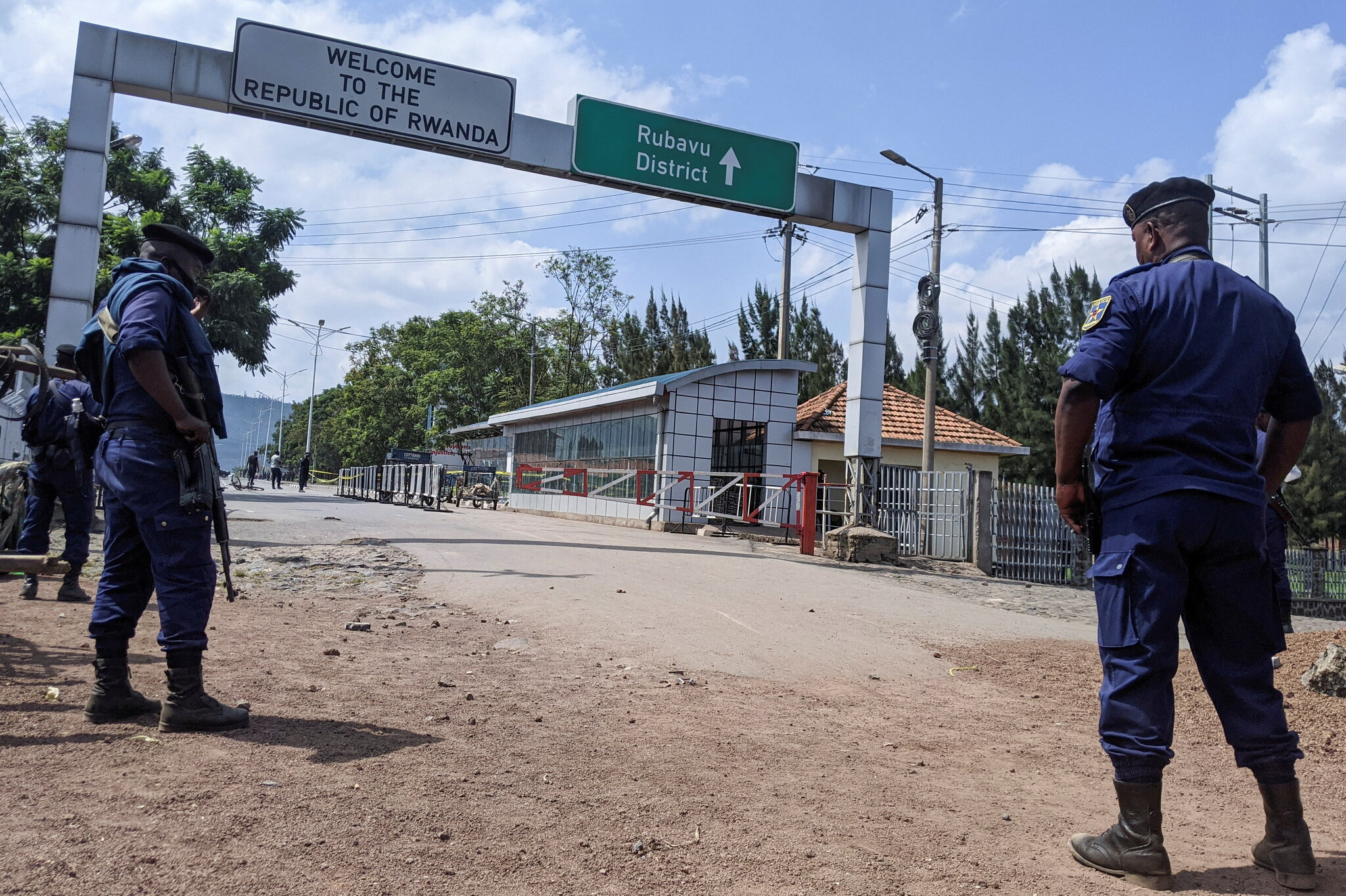
Case Study → Contested Borders in Rwanda
| Context | ● European powers began to colonise Africa in the 1700s ○ Aimed to create a system of raw material extraction for export and made little productive investment in African countries ● The legacy of colonialism is a host of unstable states that often lack cultural coherence ● The enormous territory of the DRC is home to 240 ethnic groups who jointly came under Belgian rule in the late 1800s and finally gained independence in 1960 ○ This cultural diversity has posed a huge challenge to post-colonial unity and has been a major factor contributing to conflict in DRC |
|---|---|
| Where the problems come from | ● The way in which boundaries between DRC, Uganda and Rwanda were established by Belgian, GB and Germany ○ Lead to the geographical regions traditionally occupied by Tutsi and Hutu become becoming fragmented ■ The resulting transnational identity of both groups is a cause of ongoing political instability and violent territorial skirmishes in central Africa |
| The conflicts | ● Rwanda • Tutsi and Hutu people in the 1990s spread quickly into neighbouring
Uganda and DRC
○ Between 1998 and 2008, over 5 mil people died in the 'Africa World War' that ensued
○ During this time, armies and militia groups from DRCs nine neighbour states repeatedly entered DRC on the grounds that the ethnic groups with who they
claimed kinship required support |
-
Congo Closes Its Rwanda Border*