Nation states are highly varied and have very different histories (Edexcel A-Level Geography): Revision Notes
📚Revision Notes
Nation states are highly varied and have very different histories
National Sovereignty is the concept of independent nations having an organised government who have the right to make laws and regulations without other nations interfering. A state is therefore a territory that no other country has power or sovereignty over
A Nation refers to a group of people who lack sovereignty - & ∴ full control - despite having their own parliaments and language. Eg. The Welsh and Scottish nations are part of the sovereign state of the UK. Nation states do not necessarily have a single culture or language and both the physical and political borders between them are often contested.
A Cultural Unity
National states vary in their ethnic, cultural and linguistic unity and this results from the history of population growth, their degree of isolation and the role of migration.
📝 Eg. In the USA descendants of European settlers vastly outnumber descendants of indigenous tribes owing to historic migration.
- Some states have a single ethnic group (and thus cultural and etnic unity) due to their physical location, such as Iceland, or political forced isolation, such as North Korea (where the government restricts interactions with foreign countries).

National Unity
↳ When people agree and feel united
-
A nation state is a political entity; existing as a single, complete unit
-
A nation state has sovereignty over its boundaries: It has complete freedom and power to govern over its territory
-
A nation state has a collective identity from a shared history & often ethnicity
-
National sovereign states vary greatly in their ethnic, cultural & linguistic unity Complex as it is affected by many different factors and ∴ hard to achieve:
-
If migration has created culture/ethnic diversity which has not been reduced by
-
When a nation is created out of different ethnic groups which may have a history of tension/conflict.
-
If a nation has developed regional identities over history, such as the north and south of National sovereign states Vary greatly depending on…
-
Ethnic
-
Cultural
-
Linguistic Often when you compare two countries, the differences between them are a result in variations in national sovereignty
National Borders
Borders between states are vital in establishing governance for a region and to avoid conflict - however this still occurs. National borders may be created in three ways:
- National borders are often linked to the physical geography: Rivers, coastlines etc
- Some borders are cultural: They mark the divide between ethnic groups or groups that have a different cultural identity
- Colonial: These are drafted by the sovereign state and sometimes influenced by past empire Borders created by governments may not consider differences between religious/ethnic groups and this can potentially lead to social conflicts and problems of sovereignty and legitimacy eg. In Rwanda, clashing ethnic groups within one state spiralled into the genocide of 800,000 Tutsis
- Some borders are created to resolve political crises between N and S Korea
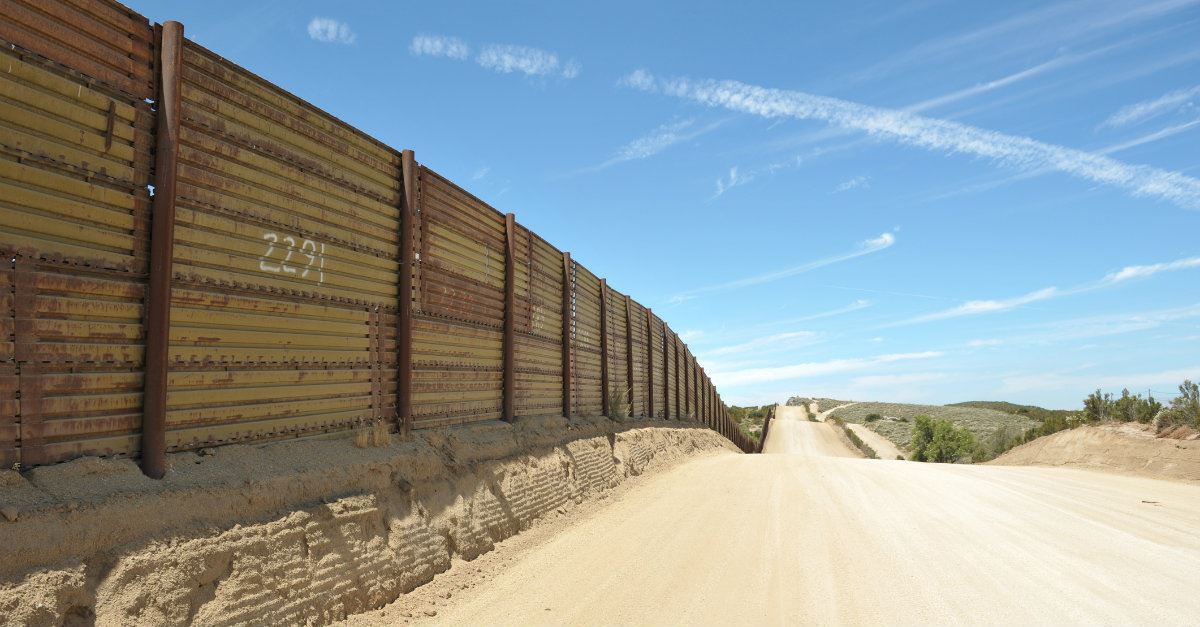
National Borders
Contested Borders
Reasons for contested borders include:
- One state wanting to take over another
- A desire to unite a culturally and ethnically similar population
- A desire to gain access to a valuable resource
Examples of Contested Borders Include
- Ukraine and Crimea
- Taiwan