The consequences of international migration are varied and disputed (Edexcel A-Level Geography): Revision Notes
📚Revision Notes
The consequences of international migration are varied and disputed
Migration changes the cultural and ethnic composition of nation states
Ethnic and Cultural Composition
Ethnic → Relating to a particular group of people who share common traditions/culture because of living in the same geographic region (not the same as race - biological)
Assimilation
- Cultural assimilation → The process by which immigrants take on the culture of their host country
- One measure is proficiency in speaking the official language
- Arguably, each wave of immigrants also changes the destination culture slightly each time
Variations in the Rate of Assimilation
↳ Inc time, ethnicity and state support
- The amount of time that migrants are resident in the host nation has an impact on assimilation
- Ethnicity
- State support eg. Funding of translation services for government websites helps recent migrants access information about their host country and state-funded language training helps overcome the major obstacle of language proficiency, thereby increasing the pace of assimilation
Political Tensions
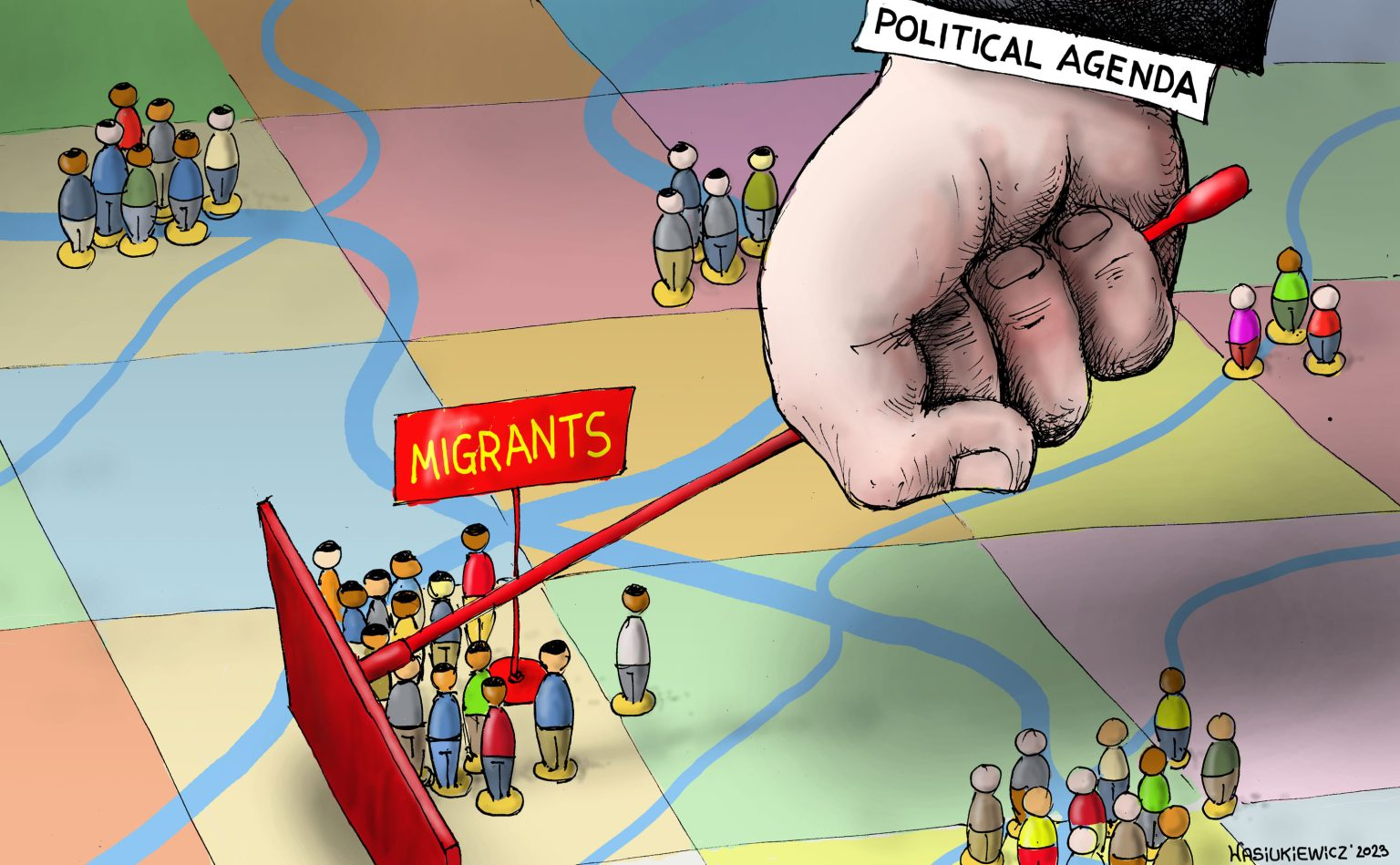
Political Tensions in Migration
Migration causes political tensions owing to differences in perceptions of social, economic, cultural and demographic impacts
- People can perceive impacts differently owing to experience or because the different media they read/follow shapes their thinking
- Others may only consider particular impacts over others
- Recent events such as terror attacks have caused political controversy regarding national security
- Many people fear that freely allowing migrants to enter their country could pose a security risk. The backlash against unregulated migration has led to changes within politics such as Brexit and the election of Donald Trump.
Differences in Perceptions
| Positive Perceptions | Negative Perceptions | |
|---|---|---|
| Economic Impacts | ● Migrants create economic opportunities by creating new businesses ● Migrants contribute more taxes to the economy than they take in benefits ● Migrants fill important gaps in labour force | ● Migrants take jobs that could have gone to non-migrants instead ● Migrants send money to their origin country (remittances) instead of spending it in the host country ● Migrants may accept lower wages for low-skilled jobs, which may mean lower for non-migrants |
| Social/Cultural Impacts | ● Cultural diversity increases, making for more interesting and vibrant communities ● Local services are improved ● Because migrants are young, often educated and skilled, employers benefit | ● Segregated areas are created that non-migrants feel excluded from ● More people in an area puts pressure on health and education services ● Non-migrants feel the cultural identity of places is under threat ● Often the better educated who migrate (brain drain) and loss of human resources for the country of origin ● Conflict can develop between host communities and newcomers • integration can also be difficult due to language differences ● Vulnerability to violation of human rights due to forced labour, exploitation of women & children, & trafficking |
| Demographic Impacts | ● Ageing, declining populations are boosted by increased numbers | ● People perceive their country as becoming crowded or 'full' |
Controls
- People w/ money & skills find it easy to migrate
- Large amounts of immigration controls as a result of security fears and widespread reluctance to help migrants/refugees
- Those who are desperate to move due to prejudice or oppression, may find it more challenging
Migration Change and Ethnic Composition
- Ethnicity: Shared identity based on common ancestral roots or cultural characteristics
- However International migration does not necessarily increase ethnic diversity in terms of race if migrants are no different from the host country Australians living in the UK do not affect the country's racial composition.
- Varied Assimilation: Absorption and adoption of cultural traits belonging to the host/majority community
- International migration always increases cultural diversity, because migrants bring different traditions and lifestyles with them Americanisation in the UK
- Some countries believe that such changes may lead to cultural diffusion, resulting in the loss of their national culture or historical demography
Examples of International Migration Controls
- The ability to migrate depends on government policies and border control, the physical environment and the migrant's education and
| Country | Information |
|---|---|
| USA | ● Open door policy in early 20th cen ● Currently strong immigration controls (fingerprints & iris photos) ● Mexican-US border wall |
| Australia | ● Before 1973, a racial/ethnic selection process called 'White Australia' ● Currently a points based system for economic migrants ● Refugees are held on small offshore islands |
Illegal Migration
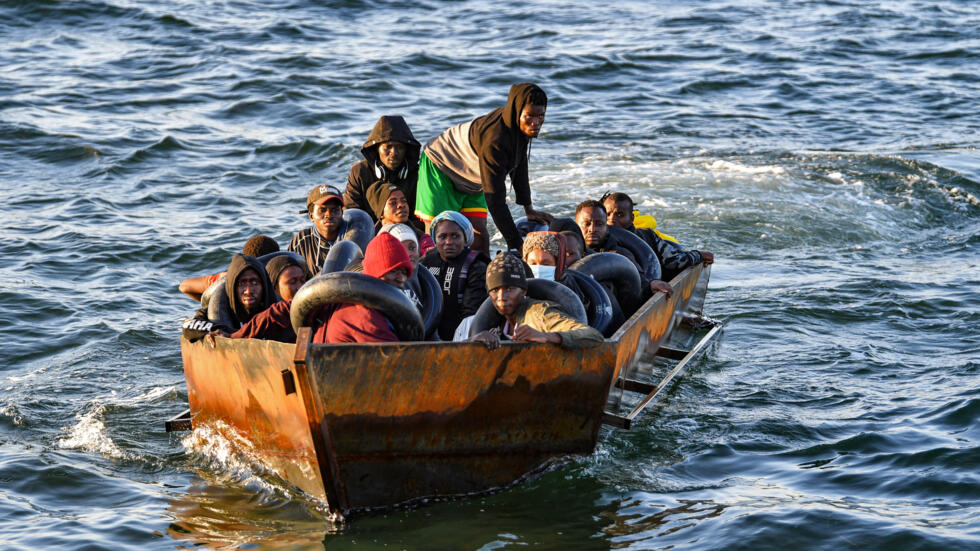
Some states do not have full control over their borders:
- Long borders, especially coastlines
- Conflict that ↓'s central gov control over its country
- Conflict in neighbouring countries, which strongly motivates people to migrate, and creates a market for people traffickers
Illegal Migration