Leadership in the PRC (Edexcel A-Level History): Revision Notes
📚Revision Notes
Leadership in the PRC
Reform and Control, 1962-1966
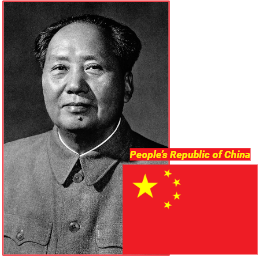
Mao Tse-tung
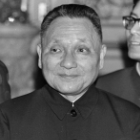
Deng Xiaoping
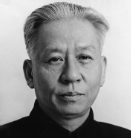
Liu Shaoqi
With the disastrous outcome of the Great Leap Forwards, Mao Tse-tung's fame declined and administrative reforms occurred in the CCP.
In 1959, Liu Shaoqi became the chairman of the PRC, replacing Mao, who retained his position as the party chairman. Together with Deng Xiaoping, the general secretary of the CCP, they reformed the country's economic policies to save face for Mao and the CCP.
Moa TSE-TUNG's ideas vs LIU SHAOQI and DENG XIAOPING's Ideas
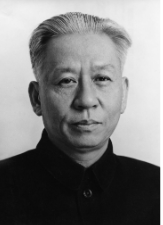
Liu Shaoqi
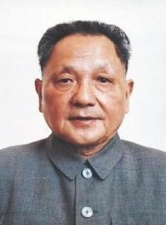
Deng Xiaoping
-
Opposed to private farming, and established communes and collectivisation of land.
-
Wanted to strengthen democratic centralism under the CCP.
-
Supported the increase of funds for healthcare for people living in the countryside.
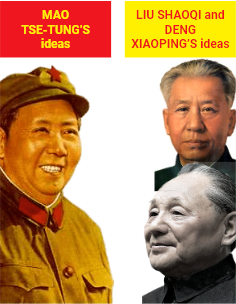
-
Communes were reduced by about two-thirds and collectivisation was removed, hence individual farming was revived.
-
Incentives were provided for the workers. Moreover, trading was permitted and China opened up for the importation of grains from Canada, Australia, etc.
-
Under Liu, bureaucracy in the government was growing. Poverty grew as farms, factories and other businesses were run by bureaucrats.
As a staunch communist, Mao wanted the people, specifically the peasants, to support a mass revolution and challenge CCP authority. Moreover, he wanted to establish a Cultural Revolution and to revise the curriculum at universities and colleges.
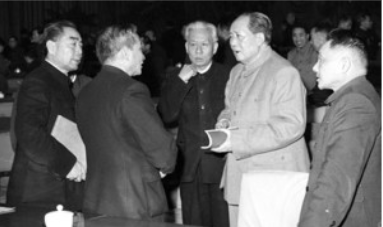
Zhou, Chen Yun, Liu, Mao and Deng at the '7,000 Cadres Conference' in 1962
Liu and Deng were condemned by Mao and other rightists as they were seen as 'capitalist roaders'. The policies they implemented also included the political rehabilitation of some of the people imprisoned during the Hundred Flowers Campaign and Mao saw these changes as desertion from his political aims.