Shanghai radicals, Mao’s aims, power struggle with the CCP, the fall of Liu Shaoqi and Deng Xiaoping (Edexcel A-Level History): Revision Notes
📚Revision Notes
Shanghai radicals, Mao's aims, power struggle with the CCP, the fall of Liu Shaoqi and Deng Xiaoping
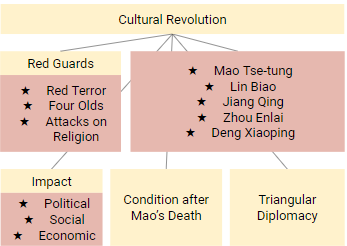
The Cultural Revolution, 1966-1976
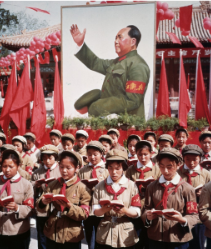
Red Guards
Shanghai People's Commune
On 5 January 1967, a televised meeting occurred between the established Shanghai People's Commune, a radical and socialist revolutionary group patterned after the Paris Commune.
Comprised of the Red Guards, their main objective was to destroy the old order as strengthened by Liu and Deng. With their growing influence, Mao ordered the Red Guards to work closely with the CCP and PLA. The committee lasted only a month and was replaced by the Revolutionary Committee of the Municipality of Shanghai.
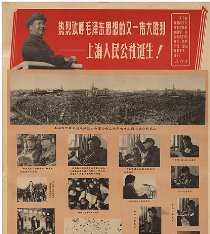
A poster about the birth of the Shanghai People's Commune
Fall of Liu Shaoqi and Deng Xiaoping
In 1959, Mao Tse-tung was replaced as president by Liu Shaoqi. Together with the General Secretary of the Chinese Communist Party (CCP), Deng Xiaoping, they enacted economic reform in the country.
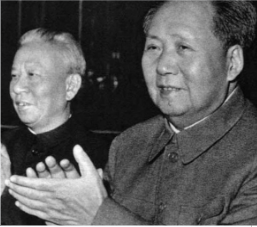
Liu Shaoqi and Mao Tse-tung
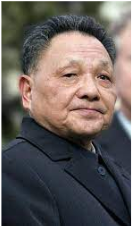
Deng Xiaoping
Their actions were seen by Mao, who remained as the head of the CCP, as a drive towards capitalism. Hence, during the Cultural Revolution, they were part of the political purge of the Chinese government.
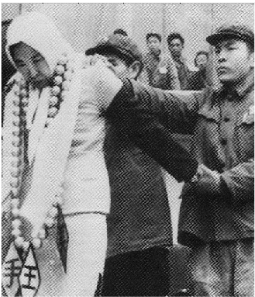
Liu Shaoqi arrest
Mao accused Liu of being the Chinese version of Nikita Khrushchev, who enacted reforms in the Soviet Union. Together with his wife, Jiang Qing, they managed to remove Liu and Deng from their positions.
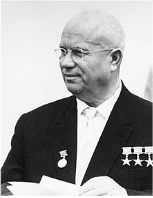
Nikita Khrushchev
Liu was placed under house arrest and was tortured in front of his wife and children. After being denied medical treatment, he died in November 1969. Deng, on the other hand, was arrested but eventually found his way back into government.