The Devise for the Succession in 1553 (OCR A-Level History A): Revision Notes
📚Revision Notes
The Devise for the Succession in 1553
Note
In early 1553, Edward VI's health declined after a feverish cold developed into incurable pulmonary tuberculosis. At sixteen years of age, the young king had not yet married or had children of his own. Without children to inherit the throne, Edward VI was supposed to be succeeded by Mary and her heirs followed by Elizabeth under the terms of the Third Succession Act. However, with the influence of Northumberland who was his Protector at the time, the king decided that his half-sisters' claim was illegitimate and the throne should be passed to the descendants of Henry VIII's sister, particularly to the children of Frances Brandon, Duchess of Suffolk.
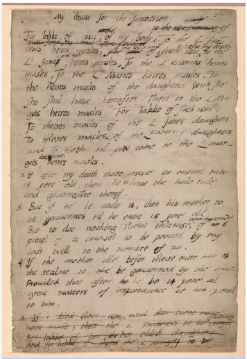
Edward VI's 'My devise for the succession'
As the King's health worsened, he began to draw up the document known as the 'Devise for the Succession', which had been altered several times. Drawing this up, Edward VI preferred male heirs of Protestant upbringing to succeed the English throne.
Note
Changes made in Edward VI's plan included outlining the succession if he were to die childless. Initially, the king assumed that there would be time for a son and heir to be born to the Duchess of Suffolk or her eldest daughter Lady Jane Grey. When it became clear that there would be no time for that as Edward was dying, the devise was ultimately changed.
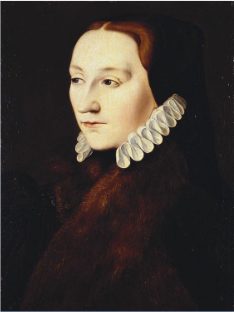
Duchess of Suffolk
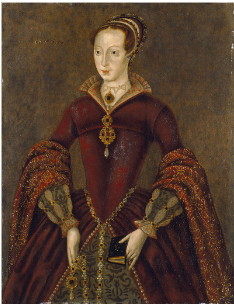
Lady Jane Grey
With the advice and influence of Northumberland and his supporters, the King decided that the throne would be passed to Lady Jane Grey and her male heirs, excluding his half-sisters Mary and Elizabeth on account of bastardy and of fear that the English Reformation would be compromised (through Mary's succession). Edward VI's Devise for the Succession disregarded his father's will and the Act of Parliament was previously passed in 1544. When the young King died on 6 July 1553, Northumberland gathered his forces to secure the succession of Lady Jane Grey.