Required Practical: Analysis & Purification of Water Samples (AQA GCSE Chemistry Combined Science): Revision Notes
📚Revision Notes
10.1.3 Required Practical: Analysis & Purification of Water Samples
- In this practical, you will need to analyse and purify water samples to determine their quality and suitability for drinking. This involves testing the water for various impurities and performing techniques to make the water potable (safe to drink).
Note
Objectives:
- Analyse the water samples to determine what impurities they contain.
- Purify the water samples using distillation.
- Test the purity of the water after purification.
Note
Hazards, Risks, and Precautions:
| Hazard | Possible Harm | Possible Precaution |
|---|---|---|
| Acidic or alkaline water samples | Irritation to eyes or skin | Rinse off skin if contact occurs; wear eye protection |
| Hot apparatus | Burns | Allow hot apparatus time to cool before touching |
Method:
Note
Part 1: Testing the Water Samples 4. pH Testing:
-
Purpose: To check the acidity or alkalinity of the water.
-
Method:
-
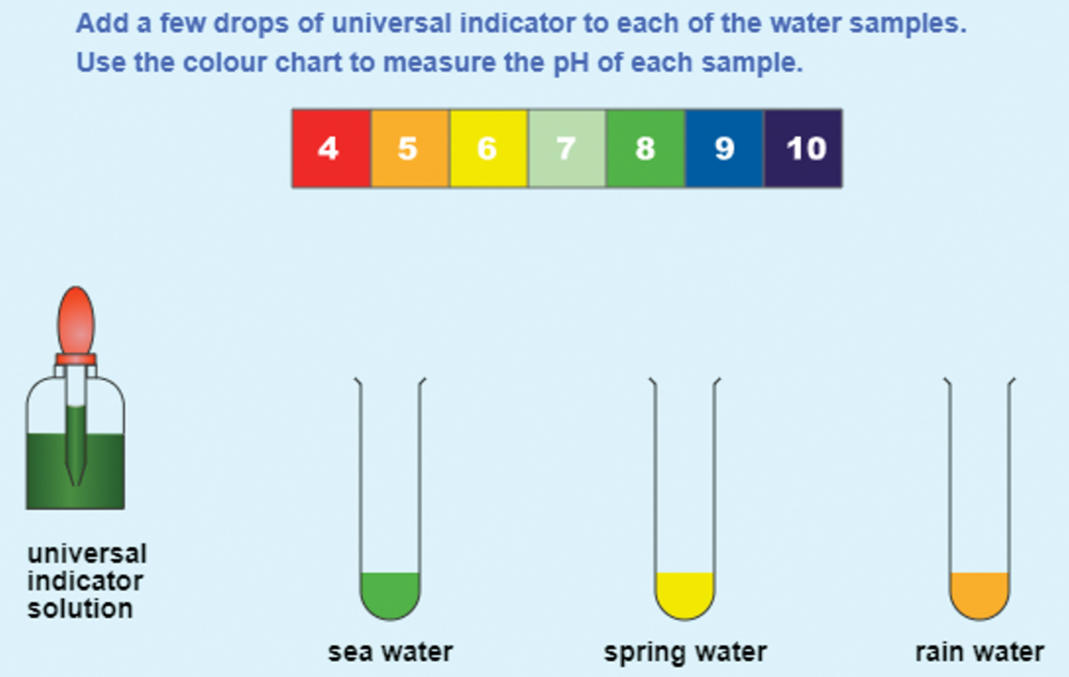
Use a pH probe or universal indicator paper to measure the pH of the water sample.
-
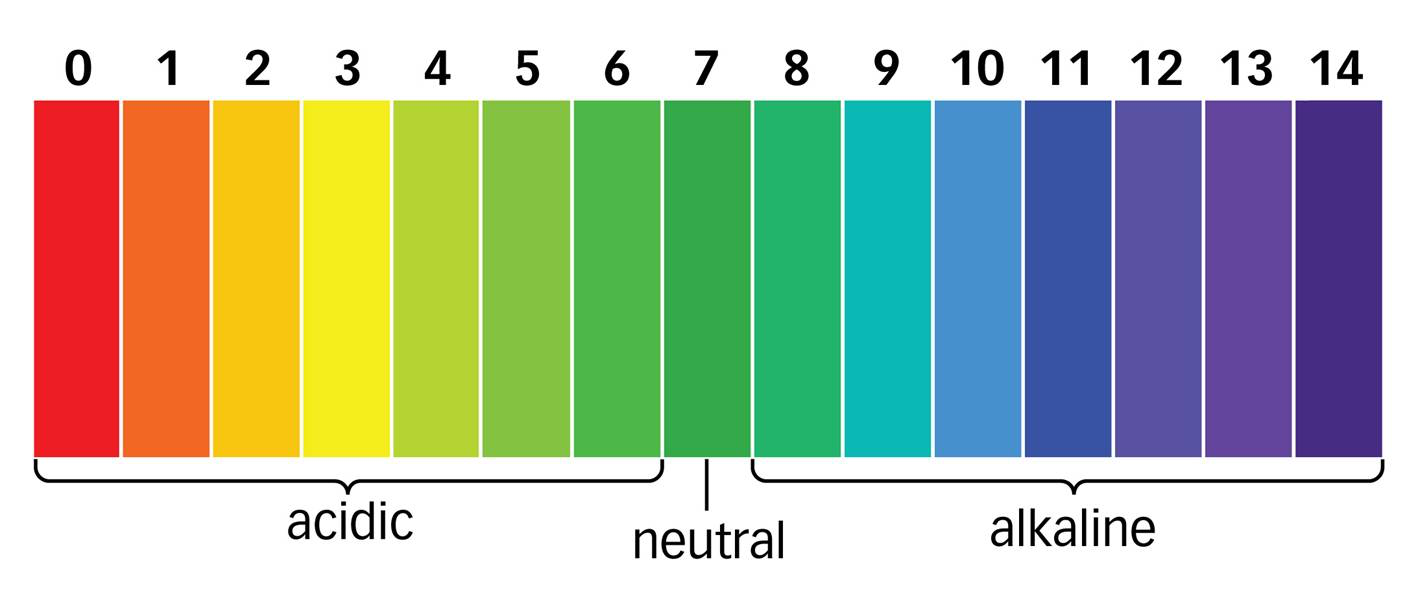
Compare the pH reading to the pH scale.
-
Expected Result: Pure water should have a pH of 7 (neutral).
- Testing for Dissolved Solids:
- Purpose: To check for the presence of dissolved salts or minerals in the water.
- Method:
- Weigh a clean evaporating basin using a balance.
- Pour a sample of water into the basin and heat it gently until all the water evaporates.
- Reweigh the evaporating basin to see if any solid residue remains.
- Expected Result: Pure water should leave no solid residue after evaporation.
Note
Part 2: Purifying the Water Sample 6. Distillation:
- Purpose: To separate pure water from dissolved solids and other impurities.
- Method:
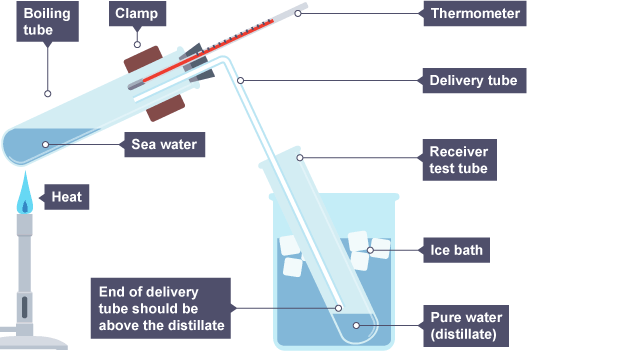
- Set up the distillation apparatus, including a conical flask containing the water sample, a delivery tube, and a condenser leading to a receiving beaker.
- Heat the water sample in the conical flask until it boils. The water will evaporate, leaving the dissolved solids behind.
- The water vapour will pass through the delivery tube and condenser, where it will cool and condense back into liquid water.
- Collect the condensed water in the receiving beaker.
- Expected Result: The distilled water collected in the beaker should be free of impurities.
Note
Part 3: Testing the Purified Water 7. Repeat pH and Dissolved Solids Tests:
-
Method:
-
Test the distilled water sample using the same methods described in Part 1 (pH testing and testing for dissolved solids).
-
Expected Result:
-
The pH should be close to 7.
-
There should be no solid residue after evaporation, indicating that the water is pure.
Note
Evaluation ✅ Accuracy: Ensure that all measurements are accurate, and the equipment is properly calibrated.
🔄 Reliability: Repeat the experiments to confirm that the results are consistent.
❌ Sources of Error: Consider possible errors, such as contamination of the water samples or loss of water during distillation, and how these might affect the results.
Note
Conclusion After performing this practical, you should be able to:
- Determine the pH and presence of dissolved solids in a water sample.
- Understand and apply the process of distillation to purify water.
- Verify the purity of water after distillation.