Embedded Systems (AQA GCSE Computer Science): Revision Notes
📚Revision Notes
Embedded Systems
What are embedded systems?
An embedded system is a specialised computer system that's built into a larger device to perform one specific job. Think of it like having a mini-computer hidden inside everyday objects that makes them "smart" and able to do their tasks automatically.
Unlike the computer or phone you use every day, embedded systems are designed to do just one thing really well. The computer components are either squeezed onto a single tiny chip (called a microcontroller) or built using separate circuits that work together as one unit.
Note
The term "embedded" comes from the fact that these computer systems are literally embedded (built into) other devices, making the overall system more intelligent and capable.
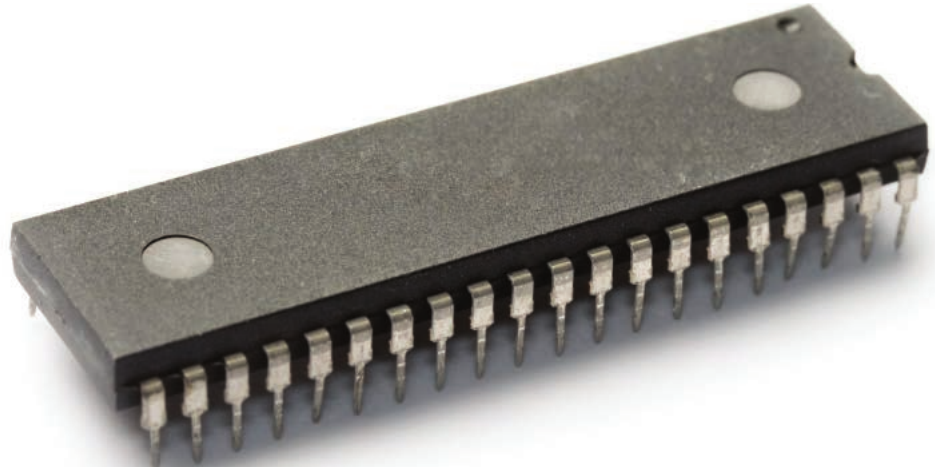
How embedded systems work
When engineers need a device to perform specific tasks, they can create an embedded system that's perfectly suited for that job. This makes the device simpler, cheaper, and more reliable than using a general-purpose computer.
Here's what makes embedded systems special: they have dedicated software that's programmed directly into the device to handle only the necessary tasks - nothing more, nothing less. This focused approach means the device can be much smaller and use less power than a regular computer.
Most embedded systems use two types of memory:
- ROM (Read-Only Memory) - stores the main programme that tells the device what to do
- RAM (Random Access Memory) - temporarily stores information while the device is working
Example
Worked Example: Washing Machine Memory Usage
In a washing machine, the memory system works as follows:
ROM Storage:
- Contains all washing programmes (cotton wash, delicate cycle, quick wash)
- Stores the control algorithms for water temperature and spin speeds
- Holds the user interface software
RAM Usage:
- Stores your current programme selection (which cycle you chose)
- Tracks the current stage of the wash (filling, washing, rinsing, spinning)
- Monitors sensor data like water level and temperature during operation
Key characteristics of embedded systems
Embedded systems are designed with five main features that make them perfect for their jobs:
Low power consumption - They're designed to run efficiently on small batteries or minimal electricity, which is why your digital watch can run for years on a single battery, or why a mobile phone's embedded systems don't drain the battery too quickly.
Small size - Since they only need to do specific tasks, they can be made much smaller than regular computers. This allows them to fit inside portable devices like fitness trackers, smartwatches, or even tiny sensors.
Rugged design - These systems are built tough so they can work in harsh conditions. Whether it's the scorching heat under a car hood in an engine management system or the demanding environment of military equipment, embedded systems keep working reliably.
Low cost - Because they're mass-produced and designed for specific tasks, embedded systems are much cheaper to manufacture than general computers. This is why appliances like microwave ovens can include computer-controlled features without being expensive.
Dedicated software - The programmes are written specifically for one task or a limited range of tasks. Unlike your computer that can run thousands of different programmes, an embedded system's software is custom-made for its exact job, like controlling a manufacturing process or managing a smart home security system.
How embedded systems differ from regular computers
While embedded systems contain many of the same basic components as regular computers, there are two crucial differences:
Important
Critical Differences Between Embedded Systems and Regular Computers:
-
Software Purpose: The software in embedded systems is custom-written specifically for the device's task and won't be the general-purpose software you'd find on regular computers. Instead of being able to run any programme, these systems can only run the specific programmes they were designed for.
-
Software Storage: The software is stored in non-volatile memory (like ROM) rather than being loaded into RAM like on regular computers. This means the programmes are permanently stored and ready to run immediately when the device is switched on, without needing to load an operating system first.
Examples of embedded systems
Embedded systems are everywhere in our daily lives, often in places you might not expect.
Common household devices include:
- Washing machines (controlling wash cycles and water temperature)
- Set-top boxes (processing TV signals and managing recordings)
- Smartphones (managing calls, messages, and apps)
- Televisions (processing channels, adjusting picture quality)
- Home security and smart home control systems
More complex industrial applications include:
- Car engine management systems (controlling fuel injection and ignition timing)
- Aircraft avionics (managing flight systems and navigation)
- Computer-controlled manufacturing equipment (running assembly lines)
- Military guidance systems (directing weapons and navigation)
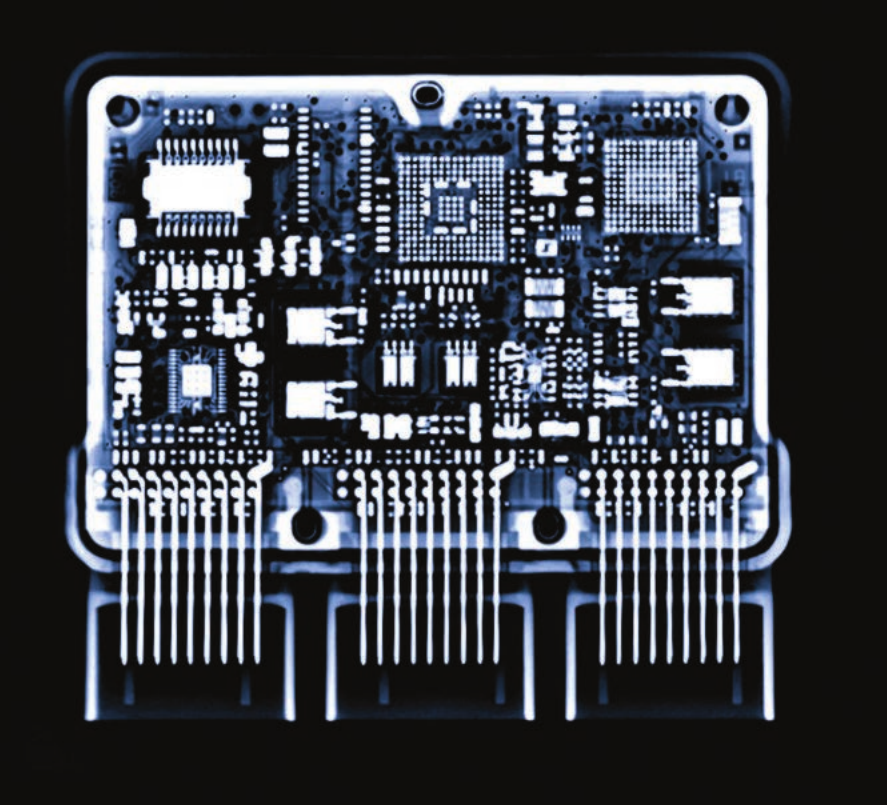
Many modern embedded systems can connect to the internet through Wi-Fi, allowing them to share information with other devices. Examples include smart water metres that automatically report usage, energy metres that help manage electricity consumption, and home security systems that send alerts to your phone.
Note
Accessibility and Embedded Systems
Embedded systems also provide important accessibility benefits for people with physical disabilities. They enable voice control for home gadgets and can adapt motorised vehicles so they can be operated with limited physical movement, making technology more accessible for everyone.
Summary
Key Points to Remember:
- Embedded systems are specialised computers built into other devices to perform specific tasks
- They have five key features: low power, small size, rugged design, low cost, and dedicated software
- They use ROM to store programmes permanently and RAM for temporary data storage while operating
- They're found everywhere - from your washing machine and TV to car engines and aircraft systems
- They make devices smarter and more efficient while keeping costs low and reliability high