Surface treatments and finishes (AQA GCSE Design and Technology): Revision Notes
📚Revision Notes
Surface treatments and finishes
Surface treatments and finishes play a crucial role in electronic and mechanical systems by improving performance and providing protection against various environmental factors. These treatments help components resist damage from heat, dirt, moisture, and general wear, extending their operational life and maintaining reliability.
Note
Surface treatments are essential preventive measures that can significantly extend the lifespan of both electronic and mechanical components, making them cost-effective investments in system reliability.
PCB lacquering and conformal coatings
Printed circuit boards (PCBs) require special protection to function reliably in various environments. PCB lacquering involves applying a thin protective coating made from polymers and specialised lacquer materials directly onto the circuit board surface.
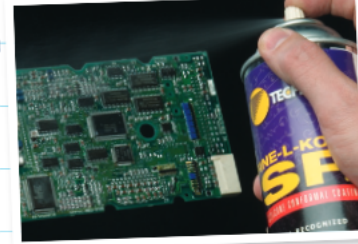 The primary purpose of PCB lacquering is to prevent circuit board failure by protecting against fine metal strands or solder particles that could create short circuits. This protective layer acts as a barrier between the delicate electronic components and potential contaminants.
Benefits of PCB lacquering
PCB lacquering offers several important advantages for electronic systems. The coating eliminates the need for expensive protective enclosures since it provides direct protection against liquid damage and chemical corrosion. Additionally, the lacquer is virtually weightless, making it ideal for applications where weight reduction is important, such as in aerospace or portable electronics. The coating also offers protection against environmental factors that could degrade circuit performance over time.
Note
The weightless nature of PCB lacquer makes it particularly valuable in industries where every gramme matters, such as aerospace, automotive, and portable electronics manufacturing.
Safety considerations
When working with PCB lacquers, several safety precautions must be observed. The lacquer is highly flammable and poses serious risks if inhaled or swallowed. The chemicals can cause irritation to eyes and skin upon contact. Additionally, the vapours produced during application may cause drowsiness and dizziness, making proper ventilation essential during use.
Important
Critical Safety Warning: PCB lacquers are highly flammable and toxic. Always ensure adequate ventilation, wear appropriate PPE, and keep away from ignition sources during application.
Lubrication in mechanical systems
Lubrication serves a fundamental role in mechanical systems by reducing friction between moving parts. When mechanical components operate without proper lubrication, they experience increased wear, overheating, and potential seizure or failure.
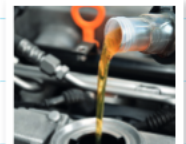 Lubricants work by creating a thin film between moving surfaces, allowing them to slide past each other with minimal resistance. This reduces energy loss, heat generation, and component wear, ultimately extending the operational life of mechanical systems.
Understanding viscosity
Viscosity represents a fluid's resistance to flow and is a critical property when selecting lubricants. Water has low viscosity, flowing easily, while grease has high viscosity, flowing much more slowly. Viscosity changes with temperature and pressure, which affects lubricant performance in different operating conditions.
Note
Understanding viscosity is essential for proper lubricant selection. Think of it as the "thickness" of the fluid - thin liquids like water have low viscosity, while thick substances like honey have high viscosity.
Types of lubricants
Lubricants come in various forms to suit different applications and operating conditions. They can be solid, semi-solid, liquid, or gas, with oils, greases, and dry lubricants being the most common types used in mechanical systems.
Oils
Oils are typically polymer-based lubricants with specialised additives that provide specific performance characteristics. These additives might reduce corrosion or prevent deposits from forming during operation. Oil viscosity is graded using systems like 20W or 10W, where thinner oils receive lower numbers. Oils are particularly useful for tool maintenance, engine components, and mechanical parts that require flowing lubrication.
Greases
Grease consists of oil combined with thickening agents to create different consistency grades. Common types include white lithium grease, marine grease, and silicone grease, each designed for specific applications. The high viscosity of grease means it stays in place where applied, making it ideal for bearings and gears that need long-lasting lubrication. Grease also acts as a barrier against corrosion, providing additional protection for metal components.
 Dry lubricants
Dry lubricants contain particles of materials like silicone or graphite suspended in a solvent. When applied to surfaces, the solvent evaporates, leaving behind a thin lubricating film of solid particles. This type of lubrication is particularly useful for locks, hinges, and linkages where liquid lubricants might attract dirt or be unsuitable for the application.
Note
Dry lubricants are ideal for applications where traditional wet lubricants would attract contaminants or where cleanliness is critical, such as in food processing equipment or precision instruments.
Methods of applying lubricants
Different lubrication methods suit different mechanical systems and operating requirements. Understanding these methods helps ensure proper lubrication maintenance and system reliability.
Oil application methods
Oil drip feed systems apply oil directly onto surfaces at regular intervals, providing consistent lubrication for components that require frequent oil replenishment. Oil splash feed uses moving parts to scatter oil from a reservoir, distributing lubrication throughout the system. Oil force feed employs pumps to continuously circulate oil through the mechanical components, ensuring constant lubrication under high-load conditions.
Grease application
Grease is typically applied using specialised tools or nozzles that force the grease into position. Once applied, grease remains in place, providing long-term lubrication without the need for frequent reapplication.
Selecting appropriate lubricants
When choosing lubricants for mechanical systems, several factors must be considered to ensure optimal performance. The load that bearing surfaces must carry affects lubricant selection, as heavier loads require more robust lubrication. The spacing between surfaces influences whether thick or thin lubricants work best. Operating temperature and speed requirements also affect lubricant choice, as different formulations perform better under specific conditions. Surface porosity and flow rate requirements further influence the most suitable lubricant type and viscosity.
Important
Key Selection Factors: Always consider load capacity, operating temperature, speed requirements, and environmental conditions when selecting lubricants. Using the wrong lubricant can lead to premature component failure.
Safety when using surface treatments
Working with surface treatment materials requires proper safety precautions to protect against potential health hazards. When using PCB lacquer, ensure adequate ventilation to prevent inhaling harmful vapours. Wear personal protective equipment to prevent skin and eye contact with chemicals. Similarly, when applying dry lubricants, avoid breathing fine droplets that could be harmful if inhaled, and prevent contact between lubricants and skin.
Important
Safety First: Always use appropriate PPE, ensure proper ventilation, and follow manufacturer safety guidelines when working with surface treatment materials.
Remember!
Summary
Key Points to Remember:
- Surface treatments protect electronic and mechanical components from environmental damage and wear
- PCB lacquering provides lightweight, effective protection for circuit boards but requires careful safety handling
- Different lubricant types (oils, greases, dry lubricants) serve specific applications based on viscosity and operating conditions
- Proper lubricant selection depends on factors like load, temperature, speed, and surface characteristics
- Safety precautions are essential when applying surface treatments to prevent health risks from chemical exposure