The Tempest: Characters (AQA GCSE English Literature): Revision Notes
📚Revision Notes
The Tempest: Characters
Key Characters in The Tempest
- Prospero
- Ariel
- Miranda
- Ferdinand
- Caliban
Prospero
Quote: "We are such stuff as dreams are made on."
Analysis: Prospero reflects on the temporary nature of life, comparing it to a dream. Shakespeare uses this line to show Prospero's wisdom and his understanding that power and control are fleeting. This line also highlights the theme of magic and illusion in the play.
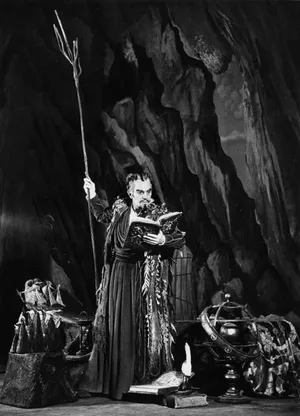
Quote: "I'll drown my book."
Analysis: Prospero decides to give up his magic at the end of the play, symbolising his choice to forgive his enemies and return to a normal life. Shakespeare uses this moment to show Prospero's growth as a character, as he chooses peace over revenge.
Ariel
Quote: "Mine would, sir, were I human."
Analysis: Ariel expresses a desire for freedom and hints at having human emotions, even though he is a spirit. Shakespeare uses Ariel to explore the theme of servitude and the longing for independence, as Ariel serves Prospero faithfully in hopes of being set free.
Quote: "Full fathom five thy father lies."
Analysis: Ariel sings this line to Ferdinand, describing the supposed death of Ferdinand's father. The song is filled with imagery of the sea and transformation, which reflects the themes of change and the mysterious power of nature that runs throughout the play.
Caliban
Quote: "This island's mine, by Sycorax my mother."
Analysis: Caliban asserts his claim to the island, showing his resentment towards Prospero for taking control of it. Shakespeare uses Caliban to explore the theme of colonisation, highlighting the conflict between the coloniser (Prospero) and the native (Caliban).
Quote: "You taught me language, and my profit on't is, I know how to curse."
Analysis: Caliban expresses his bitterness towards Prospero for teaching him language, which he now uses to curse his oppressor. This quote reflects the complexity of Caliban's character and his feelings of anger and betrayal, as well as the theme of power and control.
Miranda
Quote: "O brave new world, that has such people in't!"
Analysis: Miranda's excitement upon seeing people from the outside world for the first time reflects her innocence and optimism. Shakespeare uses Miranda to symbolise purity and the hope for a new beginning. Her wonder at the new world contrasts with the play's darker themes of power and betrayal.
Quote: "I am your wife, if you will marry me."
Analysis: Miranda boldly declares her love for Ferdinand, showing her straightforward and honest nature. Shakespeare portrays Miranda as a strong, independent character who knows her own mind, despite her sheltered upbringing on the island.
Ferdinand
Quote: "For several virtues have I liked several women, never any with so full soul but some defect in her did quarrel with the noblest grace she owed."
Analysis: Ferdinand expresses that he has admired other women before, but none as completely as Miranda. This quote shows Ferdinand's sincerity and the deep connection he feels with Miranda, highlighting the theme of love as a powerful and transformative force.
Quote: "The very instant that I saw you, did my heart fly to your service."
Analysis: Ferdinand falls in love with Miranda at first sight, and his words show his genuine affection and willingness to serve her. Shakespeare uses Ferdinand's character to represent true love and loyalty, in contrast to the more manipulative relationships in the play.