Poetry Anthology Question (AQA GCSE English Literature): Revision Notes
📚Revision Notes
Writer's Methods & Techniques
Language Techniques poets may use and their effects.
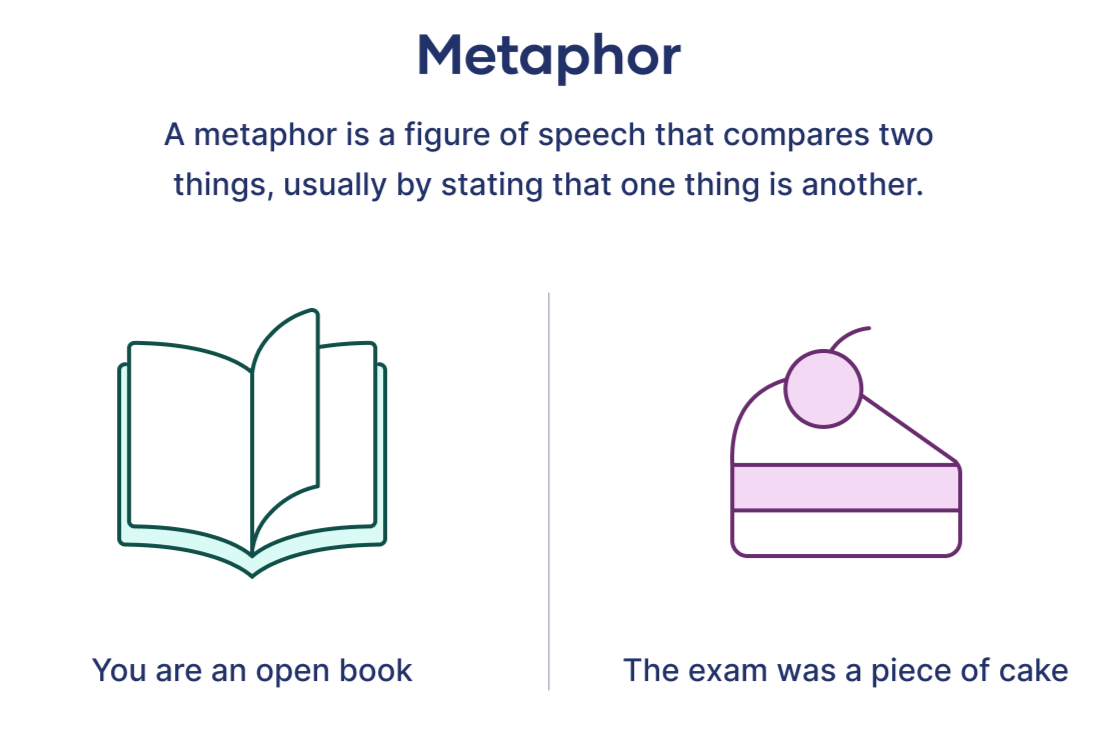
Metaphor
Definition: Comparing one thing to another without using "like" or "as". Effect: Creates vivid imagery and deepens understanding by linking an abstract concept with something more concrete.
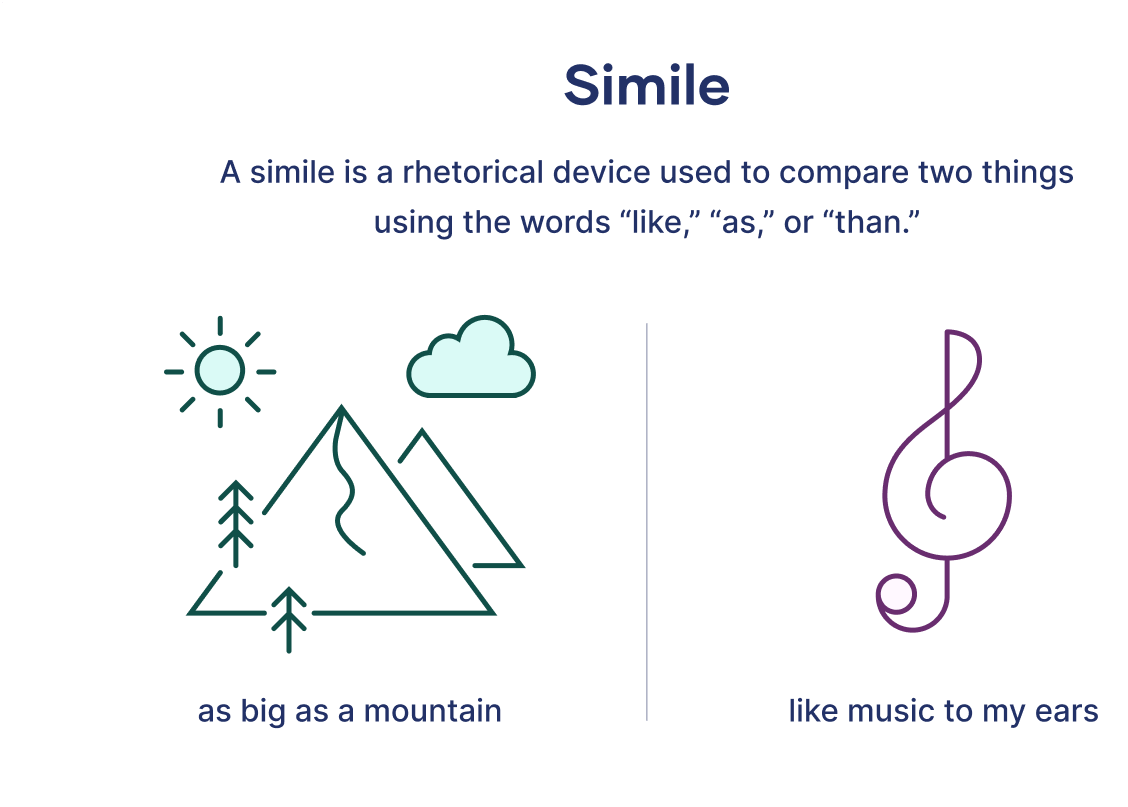
Simile
Definition: Comparing two things using "like" or "as". Effect: Helps to create vivid imagery and make descriptions more relatable and vivid.
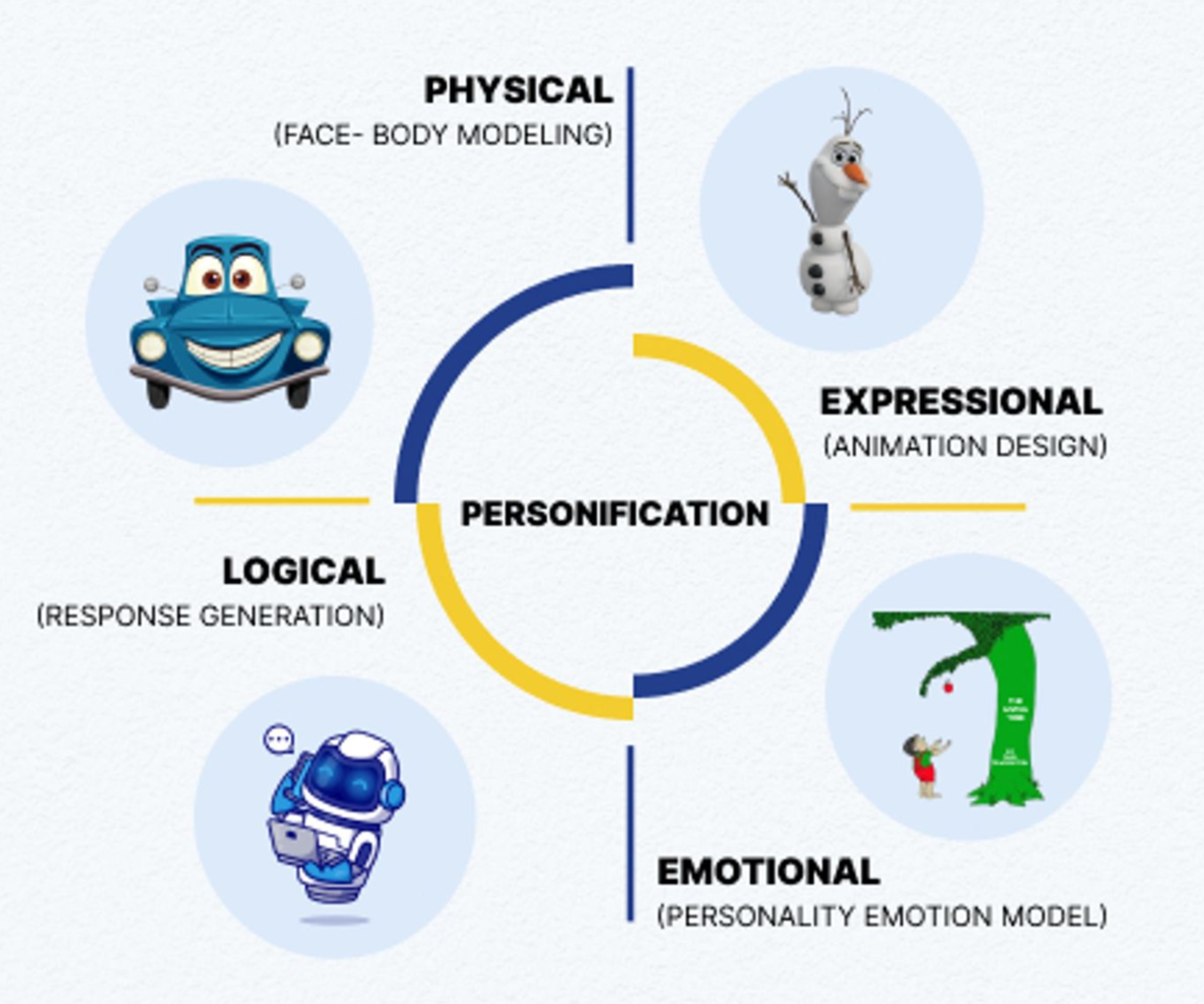
Personification
Definition: Giving human qualities to non-human things. Effect: Brings inanimate objects to life, making descriptions more engaging and relatable.
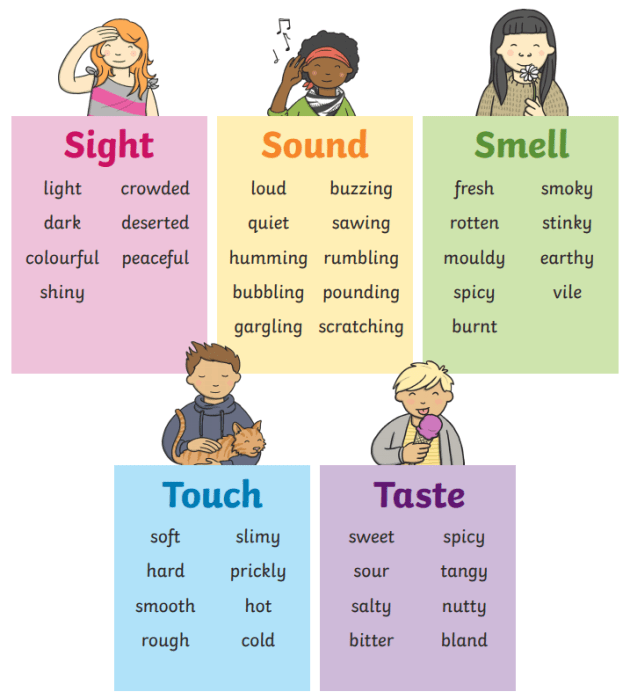
Imagery
Definition: Language that appeals to the senses (sight, sound, touch, smell, taste). Effect: Creates a vivid and immersive experience for the reader, enhancing the emotional impact of the poem.
Tone
Definition: The mood or feeling created in a poem. Effect: Conveys the poet's attitude and evokes specific emotions in the reader.
Pathetic Fallacy
Definition: Giving human emotions to weather to reflect the mood. Effect: Enhances the emotional setting and mood of the poem, creating a more immersive atmosphere.
Irony
Definition: Language that signifies the opposite, often for humourous or emphatic effect. Effect: Creates a contrast between expectations and reality, often highlighting deeper meanings or societal critiques.
Colloquial Language
Definition: Informal language that mimics everyday speech. Effect: Creates a conversational tone and makes the poem more relatable and authentic.
Onomatopoeia
Definition: Words that imitate sounds. Effect: Makes descriptions more vivid and helps the reader hear the sounds being described.
Alliteration
Definition: Repetition of the same consonant sounds at the beginning of words close to each other. Effect: Creates rhythm and can emphasise certain words or themes.
Sibilance
Definition: Repetition of "s" or "sh" sounds. Effect: Can create a soft, hissing, or sinister sound, enhancing the mood and tone.
Assonance
Definition: Repetition of similar vowel sounds in closely connected words. Effect: Enhances musical quality and can create mood or emphasis.
Consonance
Definition: Repetition of consonant sounds within or at the end of words. Effect: Adds rhythm and can create a harmonious or dissonant tone.
Hyperbole
Definition: Exaggeration for emphasis or effect. Effect: Highlights the intensity of emotions or situations, often creating a dramatic or humourous effect.
Plosives
Definition: Short, explosive sounds created by 't', 'k', 'p', 'd', 'g', or 'b' sounds. Effect: Can create a harsh or forceful effect, adding emphasis or conveying strong emotions
Symbolism
Definition: Using symbols to represent ideas or concepts. Effect: Adds deeper meaning and layers of interpretation to the poem, enriching the reader's experience.
Allegory
Definition: A story, poem, or picture that can be interpreted to reveal a hidden meaning, typically a moral or political one. Effect: Adds layers of meaning, allowing readers to interpret the work on multiple levels.
Structural Techniques poets may use and their effects.
Repetition
Definition: Repeated use of words, phrases, or structures. Effect: Emphasises important themes and ideas, creating a sense of unity and coherence.
Enjambment
Definition: A sentence or phrase that runs onto the next line without a pause or break. Effect: Creates a sense of continuity and movement, often reflecting the flow of thought or action.
Caesura
Definition: A deliberate pause or break within a line, usually marked by punctuation. Effect: Adds emphasis and can create a dramatic pause or a change in rhythm or pace.
Contrast
Definition: The presentation of opposing ideas or themes within the same poem. Effect: Highlights differences and can intensify the emotional impact of the poem.
Juxtaposition
Definition: Placing two contrasting ideas or images close together. Effect: Highlights differences and can create a surprising or thought-provoking effect.
Oxymoron
Definition: A phrase that combines contradictory terms. Effect: Creates a paradoxical effect, drawing attention to complex or conflicting emotions and ideas.
Anaphora
Definition: Repetition of the first word or phrase in successive lines or stanzas. Effect: Emphasises a particular idea or theme, creating a rhythm and a sense of urgency.
Volta
Definition: A turning point in a poem, often found in sonnets. Effect: Introduces a shift in tone, perspective, or argument, adding complexity and depth to the poem.
Form variations poets may use and their effects
Free Verse
Definition: Poetry that does not follow a regular rhyme scheme or metre. Effect: Allows for flexibility in expression and can create a natural, conversational tone.
Blank Verse
Definition: Unrhymed poetry written in iambic pentameter. Effect: Creates a formal rhythm while maintaining a natural flow of speech.
Sonnet
Definition: A 14-line poem with a specific rhyme scheme, often about love or nature. Effect: Conveys deep emotion and complex ideas within a structured form, often with a volta.
Rhyming Couplet
Definition: Two consecutive lines of poetry that rhyme. Effect: Provides a sense of resolution or closure, often emphasising the final idea.
Metre
Definition: The pattern of stressed and unstressed syllables in a line of poetry. Effect: Creates rhythm and can influence the mood and tone of the poem.
Monologue
Definition: A long speech by one person in a poem. Effect: Provides deep insight into the speaker's thoughts and emotions, creating a strong personal connection with the reader.