Cayman Islands Port - Introduction (AQA GCSE Geography): Revision Notes
📚Revision Notes
Cayman Islands Port - Introduction
What are the pre-release materials?
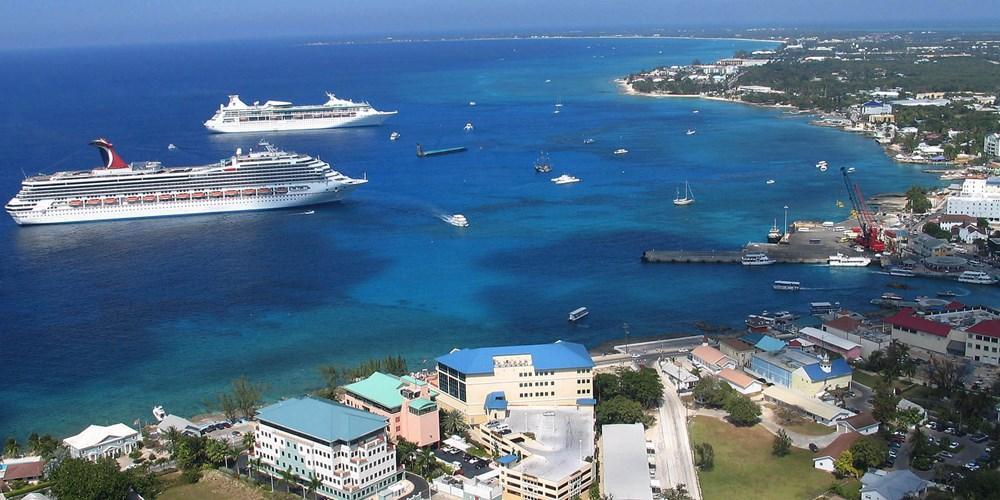
The AQA pre-release materials for 2023 focus on the Cayman Islands Port development and are distributed to schools in advance of the examination. These materials provide essential context about the location and the geographical issues surrounding port development in the Cayman Islands.
Note
These materials cannot be shared online due to copyright regulations, so you'll receive them directly from your teacher as a physical booklet.
The materials are designed to give you comprehensive background information and key examination tips to help you succeed in Geography Paper 3. They provide essential context about the location and the geographical issues surrounding port development in the Cayman Islands.
Understanding synoptic issue evaluation
Important
Synoptic evaluation means examining an issue by connecting multiple geographical topics rather than studying them in isolation. This approach reflects real-world geography where different themes interact and influence each other.
The 2023 issue evaluation takes this synoptic approach, weaving together five interconnected geographical themes around the central issue of port development in the Cayman Islands. This mirrors how geographical processes actually work - they don't exist in separate boxes but influence and connect with each other.
The five key topics covered
The synoptic evaluation explores port development through five main geographical lenses:
- Tourism - How port development affects the tourism industry and visitor experiences
- Economic development and quality of life - The relationship between infrastructure development and living standards
- Development and closing the gap - How port projects might reduce inequalities or create new ones
- Ecosystems and coral reefs - Environmental impacts on marine habitats and biodiversity
- Environmental impacts of economic development - Broader ecological consequences of infrastructure projects
Note
These topics interconnect around the central shipping/port symbol, showing how port development creates a web of geographical impacts across different themes.
How the materials support your learning
The pre-release materials serve several important functions in your preparation:
Setting the context: You'll gain essential background knowledge about where the Cayman Islands are located and understand the key facts about this Caribbean territory that make port development significant.
Examining different perspectives: The materials help you explore various stakeholder viewpoints about the port development. Different groups - such as local residents, businesses, environmental organisations, and government officials - may have conflicting opinions about whether the project should proceed.
Weighing up pros and cons: You'll be guided through making a balanced appraisal of both the advantages and disadvantages of port development, considering economic, social and environmental factors.
Evaluating alternatives: The materials encourage you to think critically about different options and potential solutions to the issues raised.
Understanding the exam structure
In your Geography Paper 3 exam, you'll have approximately 35-40 minutes to tackle questions about tourism, development, and the proposed port in the Cayman Islands. The exam follows a structured format designed to build up your analysis skills:
Short skills questions (2-3 marks): These test your ability to interpret data, maps, and other sources from the pre-release materials.
Extended questions (6 marks): These require more detailed explanations and analysis of the geographical processes and impacts you've studied.
Final decision question (9 marks): This culminating question asks you to take a position on the port development issue and justify your stance using evidence.
Important
Remember, the examiners aren't looking for you to agree or disagree with a particular viewpoint. What matters is how well you use evidence from the materials and your own geographical knowledge to support whatever position you choose to take.
Growth and importance of tourism
Understanding tourism is crucial for evaluating the Cayman Islands port development, as tourism forms a major part of the islands' economy.
What counts as tourism?
Important
Tourism occurs when someone travels to a destination away from home for more than 24 hours but less than one year.
This definition helps distinguish tourism from other types of travel like daily commuting or permanent migration. Tourism can be divided into two main categories:
- Domestic tourism: Travel and holidays within your own country
- International tourism: Travel to destinations in other countries
The global growth of tourism
Over the past five decades, mass tourism has transformed from a luxury activity into a major global industry that continues expanding year on year. Before the pandemic, approximately 900 million people became international tourists annually - a staggering figure that demonstrates tourism's massive scale.
Most tourist travel is for leisure purposes, particularly holidays and recreational activities. However, visiting friends and relatives represents the second largest category of tourism worldwide.
Key factors driving tourism growth
Several interconnected factors explain why tourism has experienced such dramatic growth:
Economic prosperity: Rising disposable incomes and improved working conditions mean more households have both partners working fewer than 40 hours weekly with paid annual leave. This creates both the money and time necessary for tourism.
Transport revolution: Air travel has become faster, more reliable, and significantly cheaper than in previous decades, making distant destinations accessible to ordinary families rather than just the wealthy.
Booking convenience: Internet-based travel agents and comparison websites have made it easier than ever to research destinations, compare prices, and book complete holiday packages from home.
Destination development: Attractions like music festivals, sporting events, theme parks and water parks have proliferated, creating more reasons for people to travel and giving destinations competitive advantages.
Government investment: Many governments have recognised tourism's economic potential and invested heavily in promoting their countries internationally or supporting major events like the Olympics to attract visitors.
Summary
Key Points to Remember:
- Synoptic evaluation connects multiple geographical topics around one central issue rather than studying them separately
- Pre-release materials provide essential context and help you examine different stakeholder viewpoints on the Cayman Islands port development
- Tourism definition covers travel away from home for more than 24 hours but less than one year
- Mass tourism has grown into a major global industry due to factors like increased prosperity, cheaper transport, and easier booking
- Exam success depends on using evidence to justify your position, not on agreeing with any particular viewpoint