Responses to Tectonic Hazards - Case Study (AQA GCSE Geography): Revision Notes
📚Revision Notes
1.2.4 Responses to Tectonic Hazards - Case Study
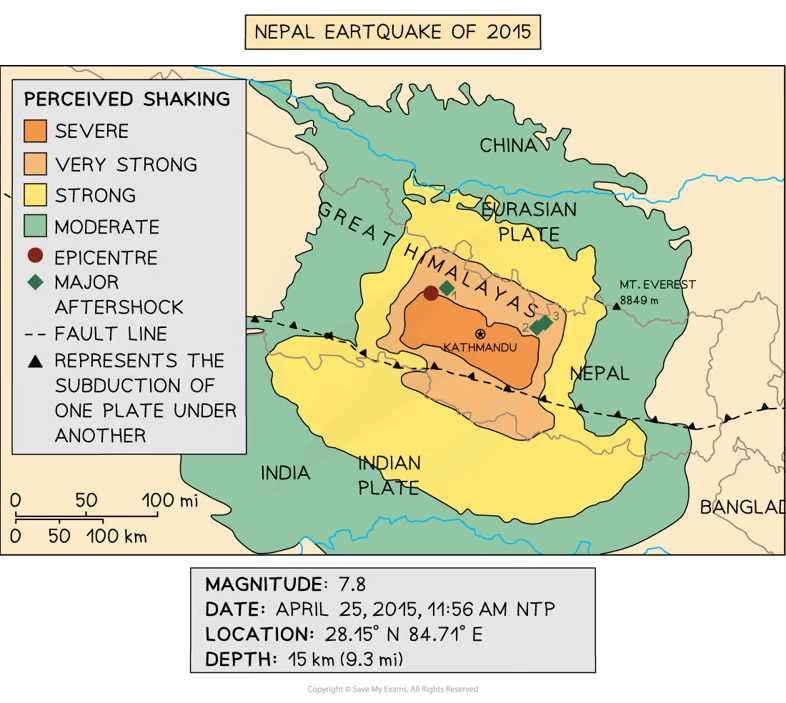
1) Earthquake in Nepal, a lower-income country:
Note
Place: Gorkha, Nepal Date: April 2015 Size: 7.8 on the moment magnitude scale
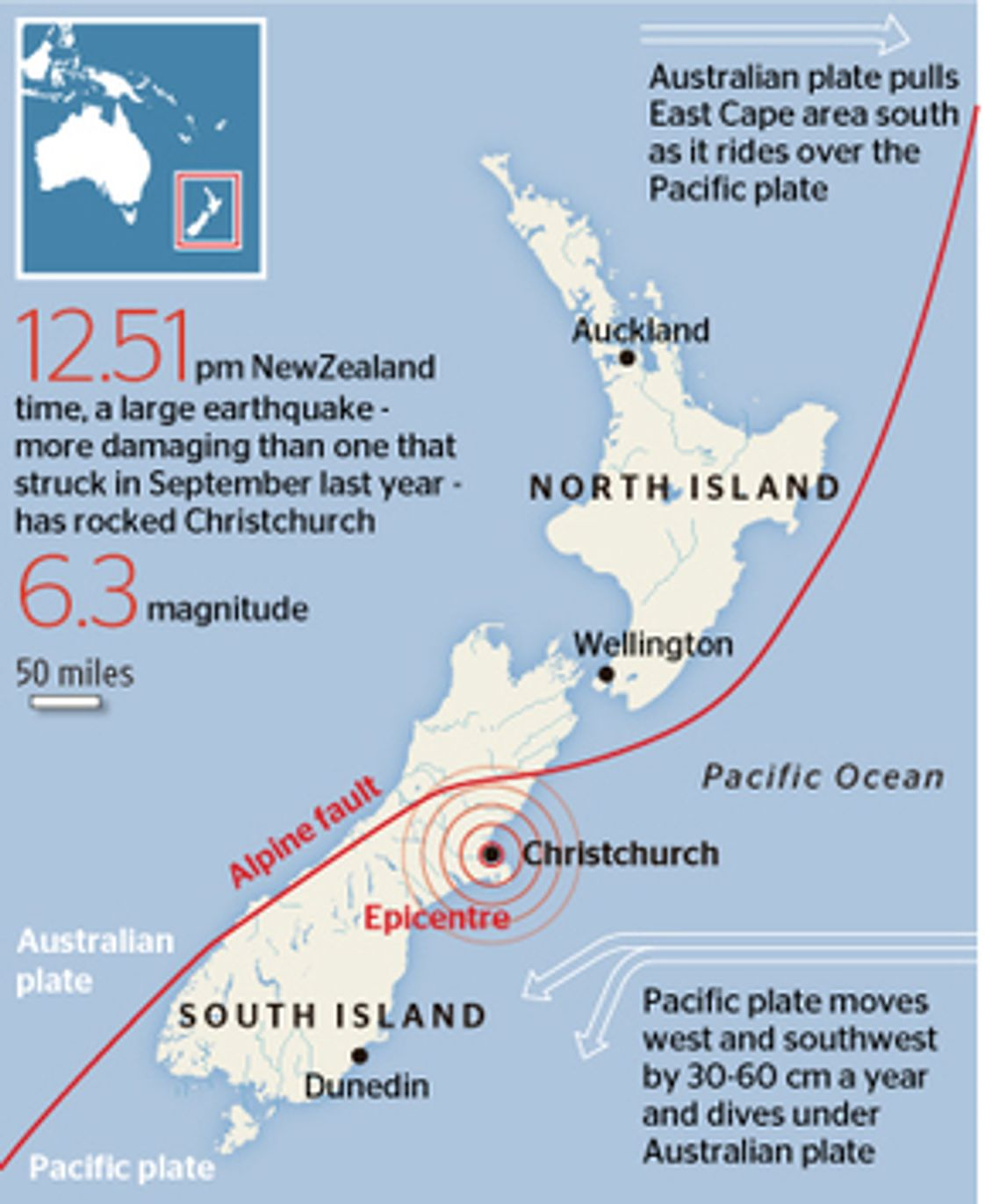
2) Earthquake in New Zealand, a HIC country:
Note
Place: Christchurch, New Zealand Date: February 2011 Size: 6.3 on the moment magnitude scale
Primary Effects
- 8841 died, mostly from collapsed buildings
- 16800 injured
- 1 million made homeless
- 7000 schools, 26 hospitals and Dharahara Tower (UNESCO site) destroyed
- 181 died, mostly from 1 collapsed TV building
- 2000 injured
- 80% of the city without power
- 50% of all buildings severely damaged
Secondary Effects
- Triggered an avalanche on Mount Everest which swept through the base camp.
- Loss of income from a reduction in tourist numbers due to damage to historical buildings, hotels, and transport.
- Rice seed stores wiped out, 2/3 of the population depend on this.
- Loss of income from a reduction in tourist numbers as Christchurch could no longer host rugby world cup matches.
- Schools were closed for 2 weeks.
- 1/3 of residents faced financial difficulties for up to 3 months after the event.
Immediate Responses
- International help requested in the form of rescue teams.
- Temporary shelters set up and food, water, and medical supplies were distributed to the worst affected areas.
- Facebook launched a safety feature, so people could indicate that they were safe in difficult to reach terrain.
- Several companies didn't charge for phone calls.
- The Australian Government donated NZ$6.7 million to the Red Cross appeal.
- 27000 chemical toilets were flown into the area as sanitation and sewerage works were damaged.
- 7 million in international aid was provided.
- The New Zealand Defence Forces provided equipment, transport, evacuation, food, and water aid to 1000 homeless people as a result of the earthquake.
Long Term Responses
- 23 areas identified for rebuilding in post-disaster assessment.
- Mount Everest reopened to tourists in August after some trails were rerouted; climbing permits were also extended until 2017.
- UN trained farmers to expand crop production and repair irrigation channels that were damaged by landslides.
- Insurance companies paid $898 million in claims.
- Water & Sewage was restored by August 2011 (i.e., 6 months); 80% of roads were repaired within 6 months.
- Canterbury Temporary Accommodation was provided by the New Zealand Government for the 10,000 made homeless.