Resource Management - Global Distribution (AQA GCSE Geography): Revision Notes
📚Revision Notes
6.1.1 Resource Management - Global Distribution
Why Do We Need Food, Water & Energy?
Key for Human Wellbeing:
- Food, water, and energy are crucial for living a quality life.
- Contribute to social and economic benefits, improving the standard of living.
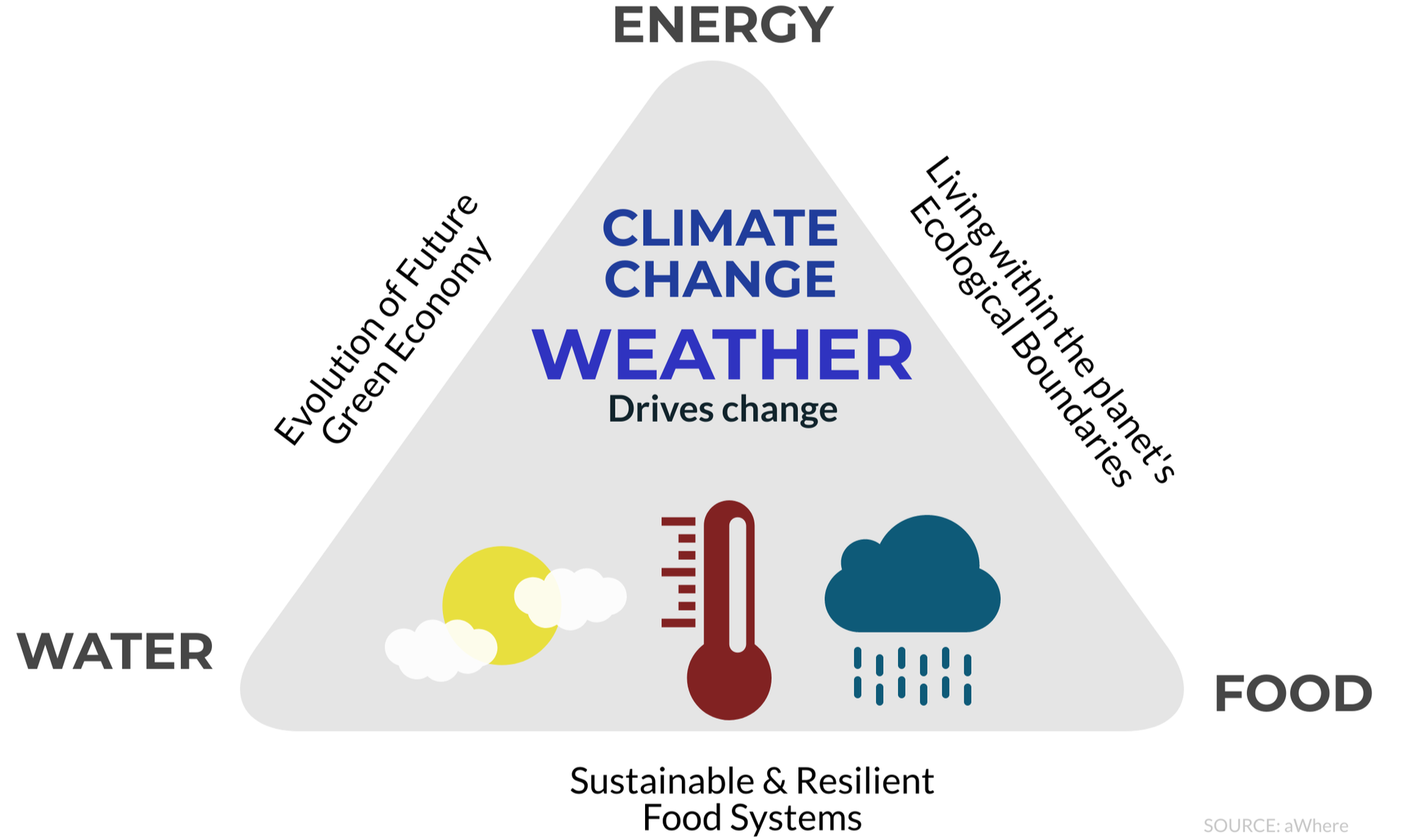
Food, Energy, and Water Systems Against the Backdrop of Climate Change
Food
- Calories:
- Provide energy.
- Availability:
- Depends on climate, soil, and technology level.
- Malnourishment:
- Leads to disease and death.
- Causes underperformance in school children, reducing future economic productivity.
- Adults become less productive at work.
- Global Statistics:
- Over 1 billion people are malnourished.
- 2 billion are undernourished.
- Obesity is an issue in some areas, especially HICs.
Water
- Uses:
- Survival, washing, food production, industry.
- Importance of Clean Water:
- Supports development and breaks the cycle of poverty.
- Contaminated Water:
- 2 billion people drink contaminated water.
- Over 500,000 deaths per year from diseases linked to contaminated water (e.g., Cholera).
- Economic Impact:
- Long distances to fetch water reduce time spent working.
Energy
- Traditional Sources:
- Coal, oil, and wood.
- Modern Uses:
- Electricity production, heating, transport, and water supply.
- Economic Impact:
- Supports industrialisation and development.
- HICs rely heavily on electricity.
- Without electricity, people resort to burning wood, causing deforestation.
The Global Supply of Energy is Uneven
- Increasing Demand:
- Expected to rise by 56% as the population increases.
- Uneven Distribution:
- Some countries lack their own energy reserves.
- Climate and environment also affect resource availability.
- Importing Resources:
- Necessary for many countries but expensive.
- Resource consumption linked to economic wealth; HICs consume more due to affordability.
- Consumption Trends:
- Rising in NEEs with industrial growth.
- Low in LICs due to lack of access and affordability.