Water in the UK (AQA GCSE Geography): Revision Notes
📚Revision Notes
6.1.3 Water in the UK
The Demand for Water Varies Across the UK
In the UK, places with a good supply of water aren't the same as the places with highest demand
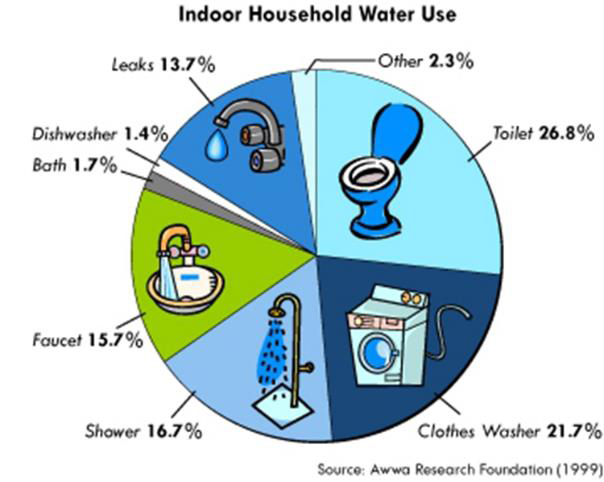
Rising Demand
- The Environment Agency estimates a 5% rise in water demand by 2025 due to:
- Growing population.
- More houses being built.
- Increased use of domestic appliances (washing machines, dishwashers).
- Since 1975, household water usage has increased by 70%.
Usage Comparison
- Average UK person uses 150 litres of water per day.
- Average person in Africa uses 47 litres per day.
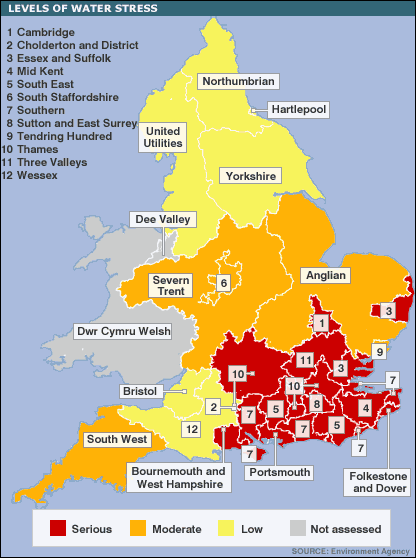
Water Supply and Demand Disparity
-
North and West:
-
High rainfall and good water supply.
-
Fewer people mean lower demand for water.
-
Water surplus is common.
-
South and East:
-
Less rainfall and poor water supply.
-
More people mean higher water demand.
-
Water deficit is common.
Note
The main sources of water in the UK are rivers, reservoirs and groundwater aquifers. The UK receives currently enough rain to supply the demand. But the rainfall is not evenly spread, and is lacking in some areas that most need it, these areas are in water deficit.
How Can the UK Save Water?
A poster on 'Save Water'
- Water Transfers:
- Create a nationwide water grid to transfer water from surplus to deficit areas.
- Expensive and may damage wildlife.
- Reducing Usage and Increasing Efficiency:
- Install water metres to monitor usage.
- Introduce hosepipe bans during shortages.
- Recycling 'Grey' Water:
- Use waste water from sinks and showers for plants and crops.
- Treat waste water to produce clean water for new use.
- Waste Water Treatment:
- Remove silt, soil, bacteria, algae, and chemicals from used water for reuse.
- Public Education:
- Inform the public about water saving and proper disposal of difficult items.
- Legislation:
- UK and EU laws to limit factory and farm runoff into rivers.
- Water companies must adhere to regulations and penalties.
- Green Roofs:
- Philtre out pollutants in rainwater.
- Absorb excess water to prevent flooding.
- Help combat climate change.