Natural Gas vs. Sustainable Energy (AQA GCSE Geography): Revision Notes
📚Revision Notes
6.4.4 Natural Gas vs. Sustainable Energy
Fossil fuels have helped to develop nations and economies and have, up until now, been a vital part of the energy mix. Coal, oil and gas have helped countries develop and allowed industries to grow and manufacture products. Fossil fuel use has both its positives and negatives when it is extracted and this can be seen in the North Sea off the East Coast of the UK.
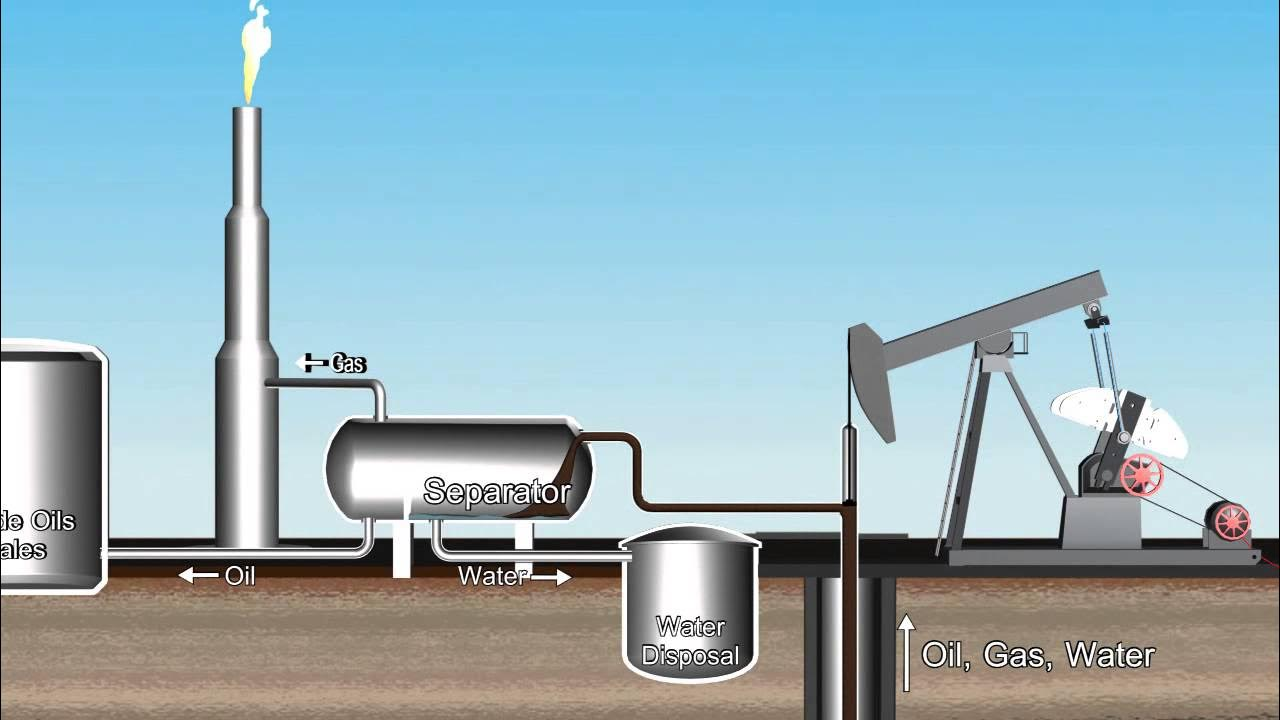
Oil, and Gas Extraction
How do We Extract Natural Gas?
- North Sea Reserves:
- First North Sea oil in June 1975; peaked in 1999.
- Over 40 billion barrels extracted so far.
- Reserves are starting to dwindle, with more than 50% extracted.
- Remaining reserves: 15 billion to 24 billion barrels, equating to another 30-40 years of production.
- UK Government Benefits:
- Estimated benefits of £300 billion since 1975.
Positives and Negatives of Extracting Gas:
Positives:
-
Environmental Risk:
-
Less risk of environmental accidents than oil.
-
Employment:
-
Employs 1.2 million people.
-
Transport:
-
Easy to transport via pipes/tankers.
-
Supply:
-
Plentiful.
-
Emissions:
-
Cleanest fossil fuel; 46% less CO2 than oil. Negatives:
-
Safety:
-
Dangerous if handled poorly.
-
Emissions:
-
Produces CO2 and methane.
-
Infrastructure:
-
Expensive pipelines to build and maintain.
-
Fracking:
-
Controversial; requires a lot of water and chemicals, potentially contaminating groundwater.
How Can We Make Energy More Sustainable?
Energy Conservation:
- New Homes:
- Energy-saving measures (loft/wall insulation, smart energy metres, energy ratings).
- A-rated homes use the least energy.
- Sustainable Developments:
- Example: BedZed (sustainable development in the UK).
- No central heating or air conditioning; uses natural heating and lighting.
- Captures rainwater for flushing toilets.
- Energy Efficiency in Businesses:
- Display energy certificates.
- Schools and hospitals save money through energy efficiency.
- Local Council Initiatives:
- Encourage sustainable transport (cycle lanes, congestion charging, public transport).
Sustainable Energy
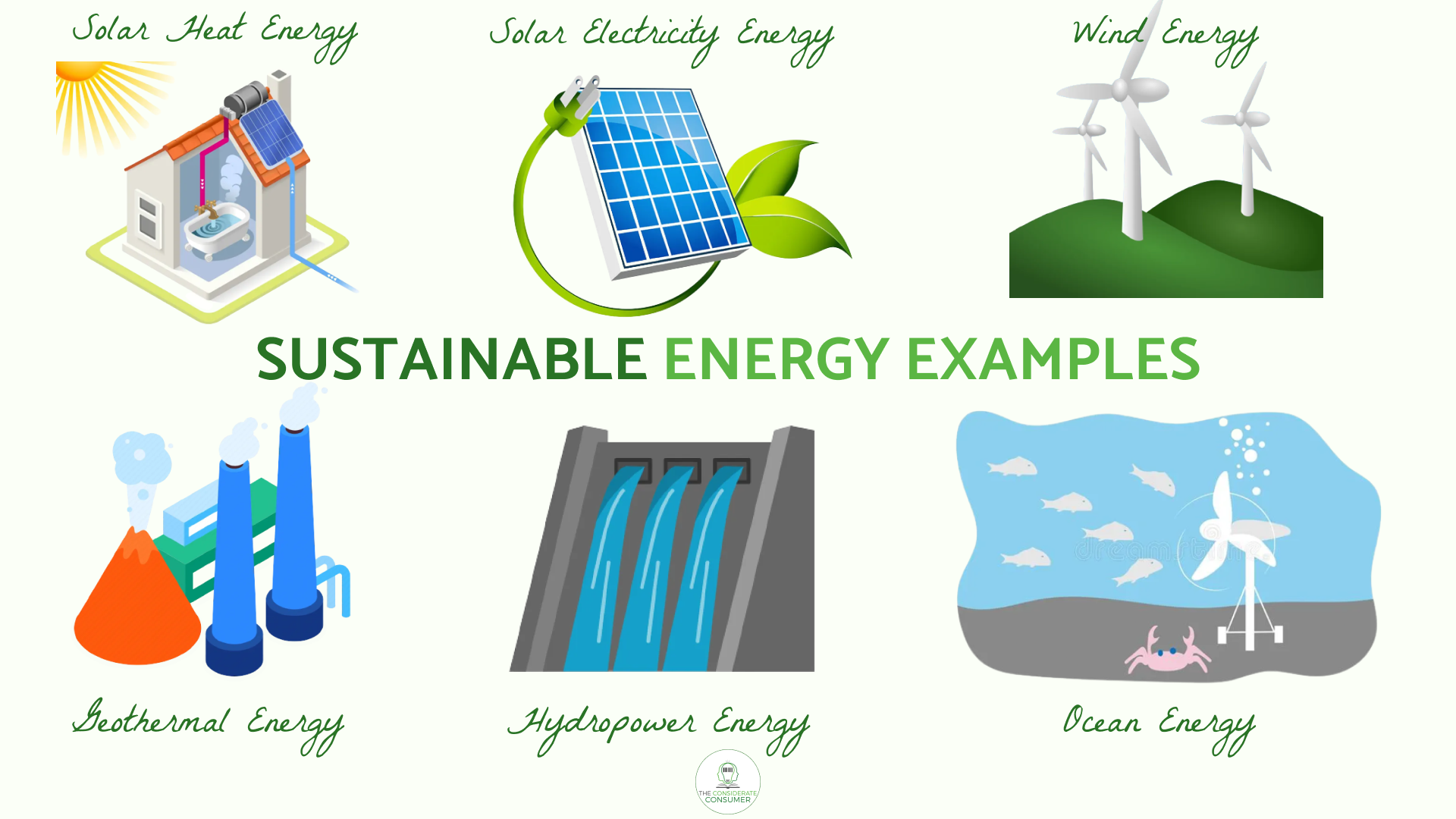
Clean, Renewable, Sustainable & Green Energy
CHAMBAMONTERA: A SUSTAINABLE ENERGY CASE STUDY
Approaches to managing energy in low and medium income countries (LICs and MICs) must be sustainable. One such example is the Chambamontera Micro-hydro scheme in Peru.
What is it?
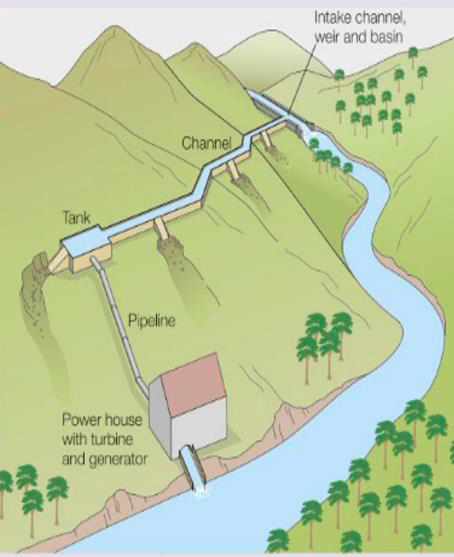
- Chambamontera is a micro-hydro scheme that uses water to generate electricity on a small scale to power rural villages.
- The scheme takes water from high in the mountains and then uses gravity to allow the water to run quickly down the steep slopes, powering a generator
Why Was it Needed?
- Isolated Community:
- Located in the Andes Mountains of Peru, more than two hours' drive on a rough track to the nearest town.
- Dependence on Subsistence Farming:
- Small-scale farming of coffee and livestock.
- Poverty:
- Nearly half the population survives on just US$2 a day.
- No Electricity:
- Until recently, no electricity to power equipment, lighting, or heating, severely restricting development.
How Was it Paid For?
- Supported by Practical Action:
- Cost was $51,000, partly funded by Japan, with the community paying part of it.
- Average Cost per Family:
- $750, funded by credit and microfinance loans.
- Ideal Conditions:
- High rainfall, steep slopes, and fast-flowing rivers ideal for water power.
Positives
Negatives
Social Positives:
-
Local people involved at all stages.
-
Improved healthcare with electricity for storing medicines.
-
Electricity for schools and training local people in technology. Economic Positives:
-
Cheaper electricity than large HEP schemes.
-
Uses local skills and cheap technology.
-
60% of people said their income increased. Environmental Positives:
-
Avoids burning wood, saving local trees.
-
Replaces fossil fuel use.
-
Floods large areas, taking away farmland. Social Negatives:
-
Poor people pay for metered electricity.
-
Some villages doubled in size, creating population pressures. Economic Negatives:
-
Variable demand for electricity.
-
Initial capital cost high for a small village: £500 per household.
-
Some special equipment imported. Environmental Negatives:
-
Small storage dams needed, altering river flow and displacing wildlife.