Tourism in Jamaica - Case Study (AQA GCSE Geography): Revision Notes
📚Revision Notes
5.1.4 Tourism in Jamaica - Case Study
How Can Tourism Reduce the Development Gap?
- Tourism can help poor countries develop by reducing the development gap.
- 📝 Example: Jamaica as a popular tourist destination.
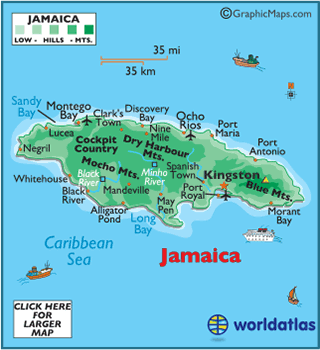
Where is Jamaica?
- Fourth-largest island country in the Caribbean.
- Tropical climate with high temperatures year-round.
- Known for beautiful beaches, rich cultural heritage, and excellent communications.
- Popular destination for cruise ships.

Why Does Jamaica Need Tourism?
- One of the largest islands in the West Indies.
- Population: 2.7 million (a third of London's size).
- Economy: Minerals (bauxite, oil), agriculture (sugar, rum), manufacturing.
- Classified as an 'upper middle-income country'.
- Suffered from slow growth, debt, and high unemployment over a long period.
Advantages to Jamaica's Tourism:
- Economic Contribution:
- In 2014, tourism contributed to 24% of Jamaica's GDP.
- Generates US$2 billion annually, increasing the economy.
- Taxes from tourism income benefit the government.
- Employment:
- Main source of employment, providing 200,000 jobs directly or indirectly.
- Environmental Benefits:
- A water treatment plant in Logwood reduces hotel pollution.
- Community and Eco-tourism:
- Expanding in isolated regions, supporting local businesses and guides.
- Infrastructure:
- Development of high-quality housing on the north coast, enhancing tourist industry.
Disadvantages to Jamaica's Tourism:
- Cruise Passengers:
- 1.1 million annually, spending little locally (no multiplier effect).
- Environmental Impact:
- Increased waste and harmful emissions with more tourists.
- Economic Leakage:
- Tourists often stay in international chain hotels, not spending locally.
- Uneven Development:
- Infrastructure improvements focused on the north, neglecting isolated rural areas.