Tropical Rainforest Adaptations (AQA GCSE Geography): Revision Notes
📚Revision Notes
2.2.2 Tropical Rainforest Adaptations
Note
Rainforests have extremely high biodiversity. They contain around 50% of the world's plant and animal species.
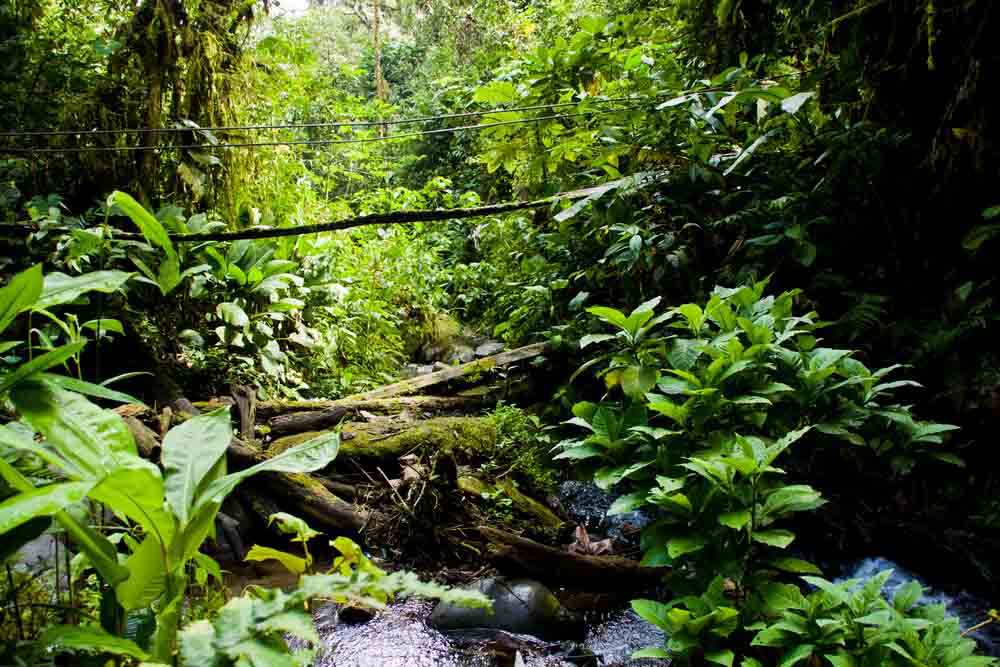
How Have Plants Adapted?
- Leaves
- Thick, waxy surface of leaves protects against hot sun, heavy rain, and strong winds.
- Epiphytes
- Plants which live above the ground growing on tree trunks and branches.
- Examples: orchids, ferns, mosses.
- Buttress Roots
- Wide roots stop these enormously tall trees from falling over.
- Roots wind above the ground looking for food and nutrients rather than digging beneath the ground where nutrients are scarce.
- Tree Trunks
- Trees don't waste time growing branches as they use this energy to grow faster and reach the sunlight first.
- Lianas
- Climbing woody vines that drape rainforest trees.
- Adapted to life in the rainforest by having their roots in the ground and climbing high into the tree canopy to reach available sunlight.
- Drip Tip Leaves
- These leaves allow rain drops to run off quickly.
- Plants need to shed water to avoid growth of fungus and bacteria in the warm, wet tropical rainforest.
How Have Animals Adapted?
Sloths
- Use camouflage and move very slowly to make it difficult for predators to spot.
- Feed at night when it's cooler, which helps save energy.
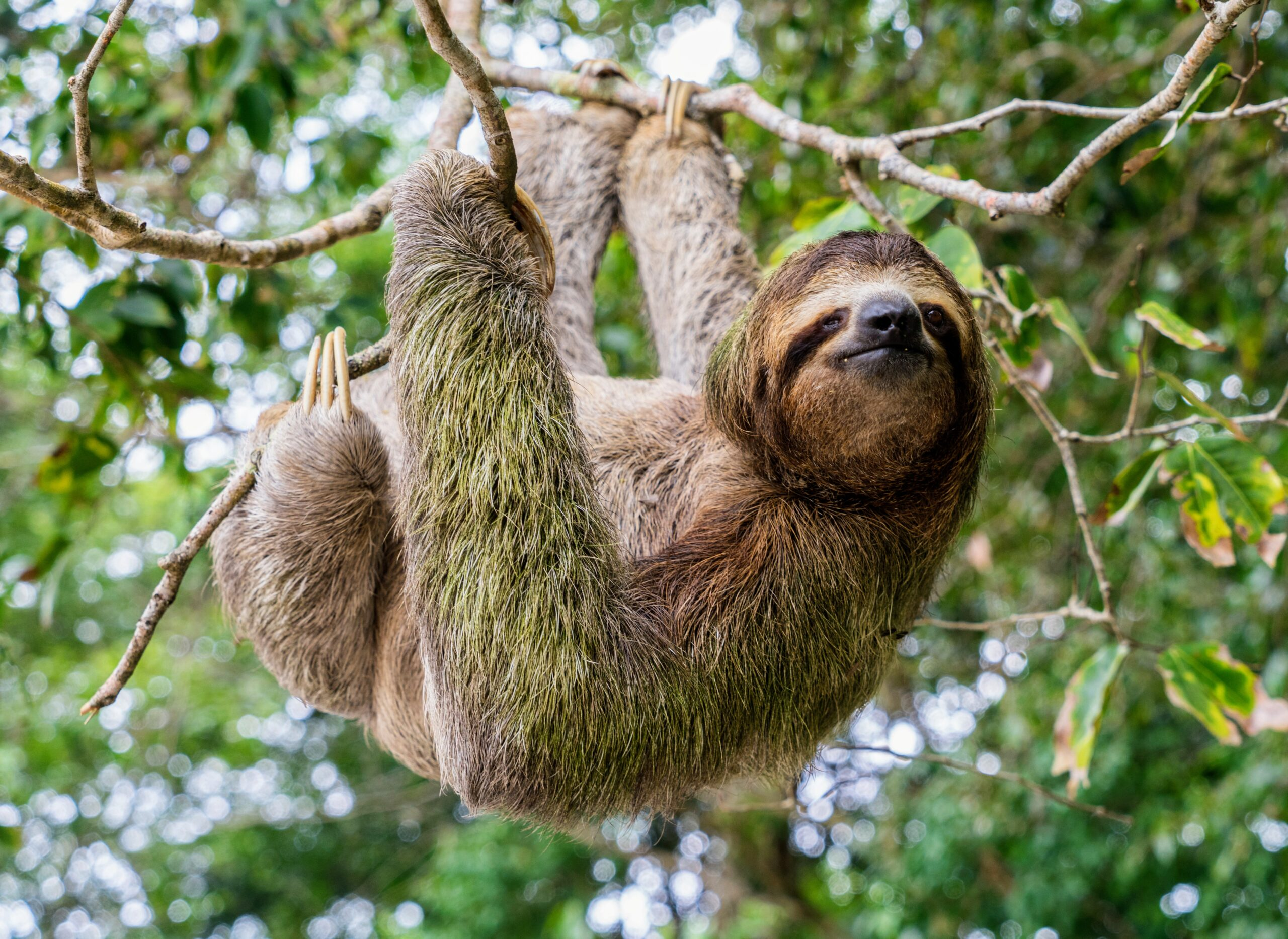
Sloths
Flying Frog
- Has fully webbed hands and feet, and a flap of loose skin that stretches between its limbs, allowing it to glide from plant to plant.
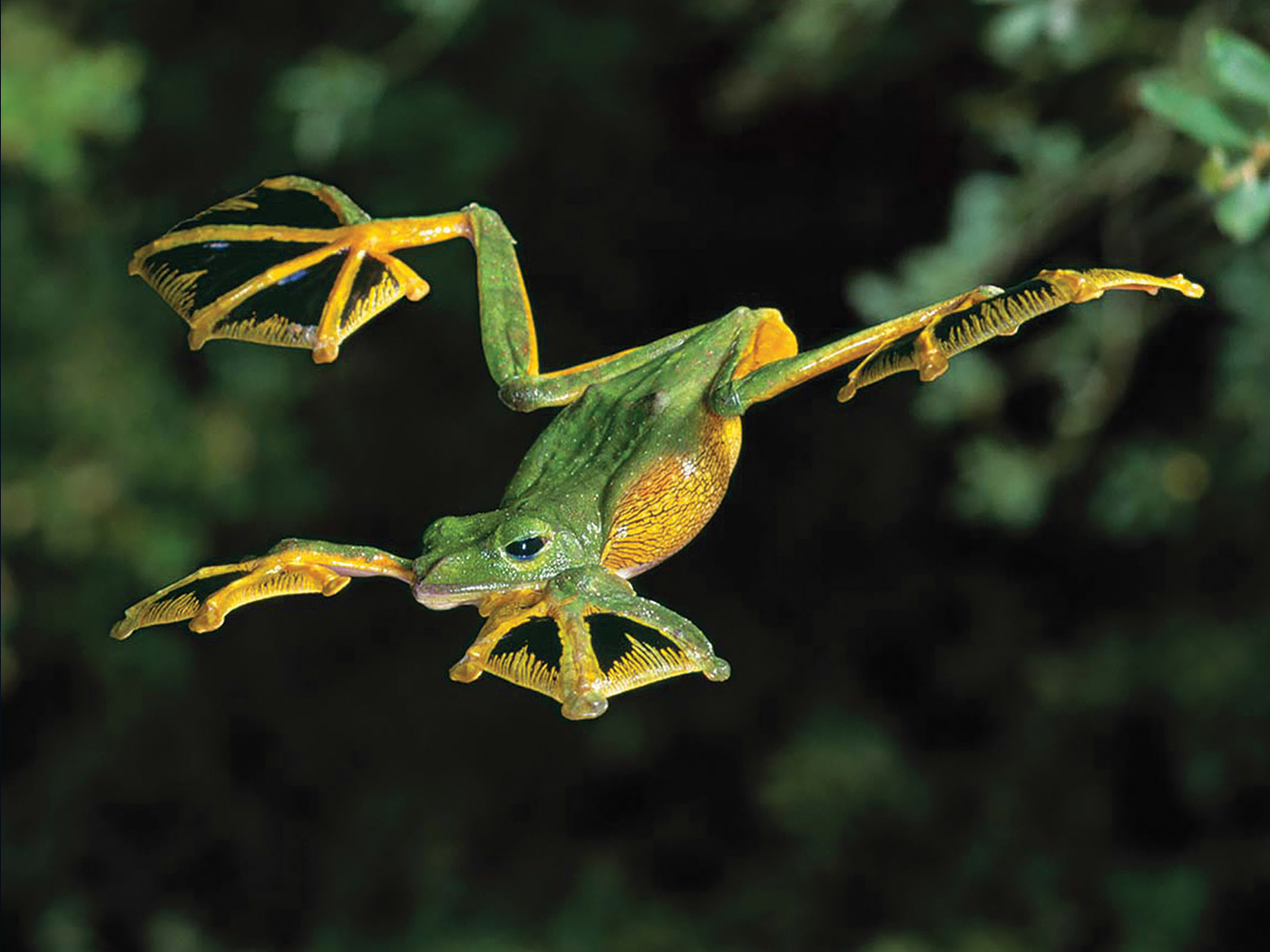
Flying Frog
Spider Monkey
- Has long, strong limbs to help it climb through the rainforest trees.
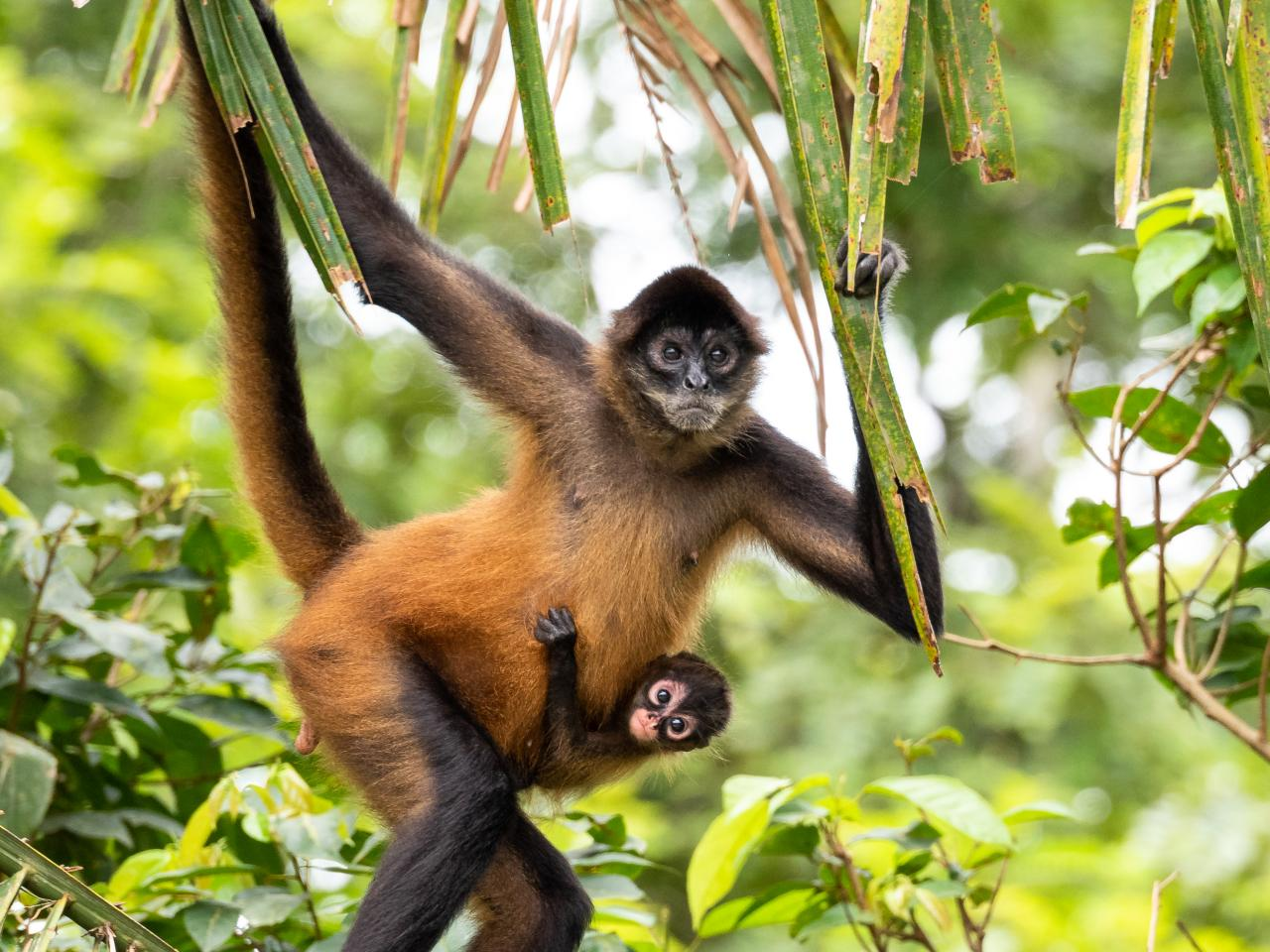
Spider Monkey
Toucan
- Has a long, large bill to allow it to reach and cut fruit from branches that are too weak to support its weight.
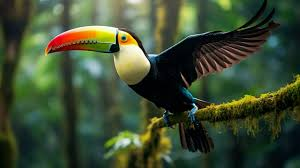
Toucan