Journey's End: Context (Edexcel GCSE English Literature): Revision Notes
📚Revision Notes
Journey's End: Context
Note
1️⃣ World War I and the Reality of the Trenches
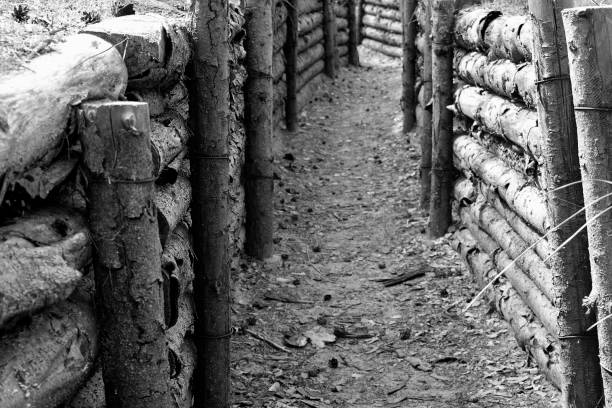
- Journey's End is set in the trenches during World War I and written by R.C. Sherriff, who served as an officer in the war. His personal experiences make the play feel authentic, vividly capturing the mud, darkness, and constant threat of death in the trenches.
- Trench warfare involved long periods of waiting under terrible conditions, broken by sudden, often deadly, bursts of combat. The play's setting reflects this monotony and tension, with characters waiting in a cramped trench.
Note
2️⃣ Post-War Disillusionment
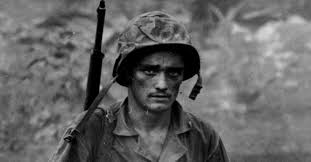
- When the play was first performed in 1928, it resonated with audiences still dealing with the aftermath of World War I. Millions had died or been injured, and society was disillusioned with the idea of war as heroic.
- Sherriff's portrayal of war challenges the romanticism often found in propaganda, showing the psychological toll it took on soldiers, the futility of their efforts, and the human cost of leadership.
Note
3️⃣ The British Class System
-
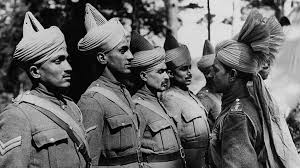
During World War I, the British Army reflected the rigid class system of society. Officers were often from the upper class, while the lower ranks were filled by working-class men. The play explores this through its characters:
-
Stanhope, as a well-educated leader, represents the upper class but shows the immense pressure that came with this privilege.
-
Trotter, a working-class officer, contrasts with Stanhope's intense and fragile leadership style. His practical approach and cheerful outlook show resilience but also reveal how social class shaped individual experiences of war.
- The war also began to blur these class divisions, as men from all backgrounds served together, creating bonds that transcended traditional social boundaries.
Note
4️⃣ Mental Health and the Stigma of Fear
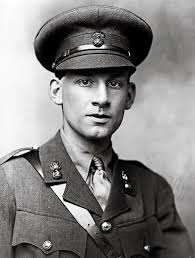
- The psychological toll of war was largely misunderstood at the time. Conditions like shell shock (now recognised as PTSD) were often seen as weakness or cowardice.
- Sherriff explores this through Hibbert, who pretends to have "neuralgia" to escape his duties. While Stanhope pushes him to stay, the moment also shows the lack of empathy for mental health struggles.
Note
5️⃣ Impact of Leadership and Responsibility
- The play shows the immense strain placed on officers, particularly through Stanhope, who feels the weight of his men's lives on his shoulders.
- This reflects the pressure on leaders in the war to maintain morale and carry out orders, often at the cost of their own mental health and well-being.
Note
6️⃣ The Legacy of War
- By 1928, when Journey's End was first performed, many survivors of World War I had returned home scarred by their experiences. The play offered a raw and honest portrayal of what they endured.
- The title itself reflects the inevitability of death in war, as well as the cyclical and often pointless nature of combat, where victory came at immense cost.