The Merchant of Venice: Themes (Edexcel GCSE English Literature): Revision Notes
📚Revision Notes
The Merchant of Venice: Themes
Key Themes in The Merchant of Venice
- Justice vs. Mercy
- Prejudice and Discrimination
- The Value of Money
- Love and Friendship
Justice vs. Mercy
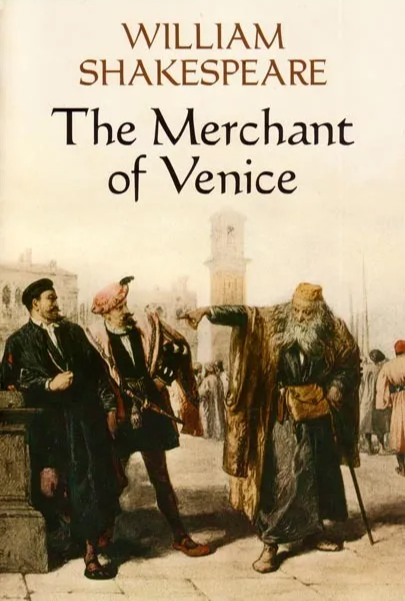
The conflict between justice and mercy is central to the play, especially in the courtroom scene where Shylock demands his pound of flesh, and Portia argues for mercy.
Key examples:
- Shylock's Demand for Justice: Shylock insists on the strict letter of the law, seeking justice for the wrongs he has suffered. His refusal to show mercy highlights the harshness of legalism without compassion.
- Portia's Plea for Mercy: Portia's famous speech, "The quality of mercy is not strained," advocates for mercy over strict justice. She argues that mercy is a divine attribute and more powerful than rigid adherence to the law.
Note
Shakespeare uses this theme to explore the tension between law and compassion, ultimately suggesting that true justice must be tempered with mercy.
Prejudice and Discrimination
The play explores themes of prejudice and discrimination, particularly through the treatment of Shylock as a Jew and the broader societal attitudes towards different ethnicities and religions.
Key examples:
- Anti-Semitism: Shylock faces constant discrimination and hostility from the Christian characters, particularly Antonio, who insults and mistreats him. This prejudice fuels Shylock's desire for revenge, highlighting the corrosive effects of discrimination.
- Shylock's "Hath not a Jew eyes?" Speech: This speech is a powerful condemnation of the dehumanisation Shylock experiences. Shakespeare uses it to challenge the audience's prejudices and to humanise Shylock, portraying him as a complex character shaped by the society's intolerance.
Note
The play critiques the deep-seated prejudice of the time, illustrating the destructive impact of discrimination on both individuals and society.
The Value of Money
Money plays a significant role in the play, driving much of the action and influencing the characters' relationships and decisions.
Key examples:
- The Bond: The bond between Shylock and Antonio, based on money, becomes a symbol of the destructive power of greed and the dangers of reducing human relationships to financial transactions.
- Bassanio's Quest: Bassanio's pursuit of Portia is initially motivated by his need for wealth, highlighting the materialistic values of society. However, his relationship with Portia ultimately transcends money, showing the potential for love to overcome financial concerns.
Note
Shakespeare uses the theme of money to explore how it can corrupt human values and relationships, while also suggesting that love and friendship can offer an alternative to materialism.
Love and Friendship
The play examines the different forms of love and friendship, contrasting romantic love with deep platonic bonds.
Key examples:
- Bassanio and Antonio's Friendship: Antonio's willingness to risk his life for Bassanio shows the strength of their bond, which some interpretations suggest may go beyond mere friendship. This relationship is contrasted with the romantic love between Bassanio and Portia.
- Romantic Love: The romantic relationships in the play, particularly between Bassanio and Portia, and Jessica and Lorenzo, explore the complexities of love, including issues of loyalty, sacrifice, and the influence of wealth.
Note
Shakespeare uses the theme of love and friendship to highlight the importance of human connections, suggesting that these bonds are ultimately more valuable than money or power.