Twelfth Night: Characters (Edexcel GCSE English Literature): Revision Notes
📚Revision Notes
Twelfth Night: Characters
Key Characters in Twelfth Night
- Viola/Cesario
- Orsino
- Olivia
- Malvolio
- Sir Toby Belch
- Maria
- Sebastian
- Antonio
Viola/Cesario
Quote: "I am the man: if it be so, as 'tis, / Poor lady, she were better love a dream." (Act II, Scene ii)
Analysis: Viola's reflexion on Olivia's love for Cesario highlights the complications of disguise and mistaken identity. Her empathy for Olivia shows her kindness, while her internal conflict illustrates the emotional toll of living a double life.
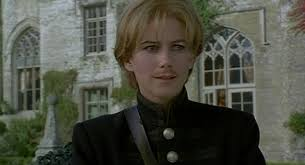
Quote: "Disguise, I see, thou art a wickedness." (Act II, Scene ii)
Analysis: Viola acknowledges the unintended chaos her disguise has caused. Shakespeare uses Viola to explore themes of gender and identity, showing how outward appearances can deceive and disrupt relationships.
Duke Orsino
Quote: "If music be the food of love, play on." (Act I, Scene i)
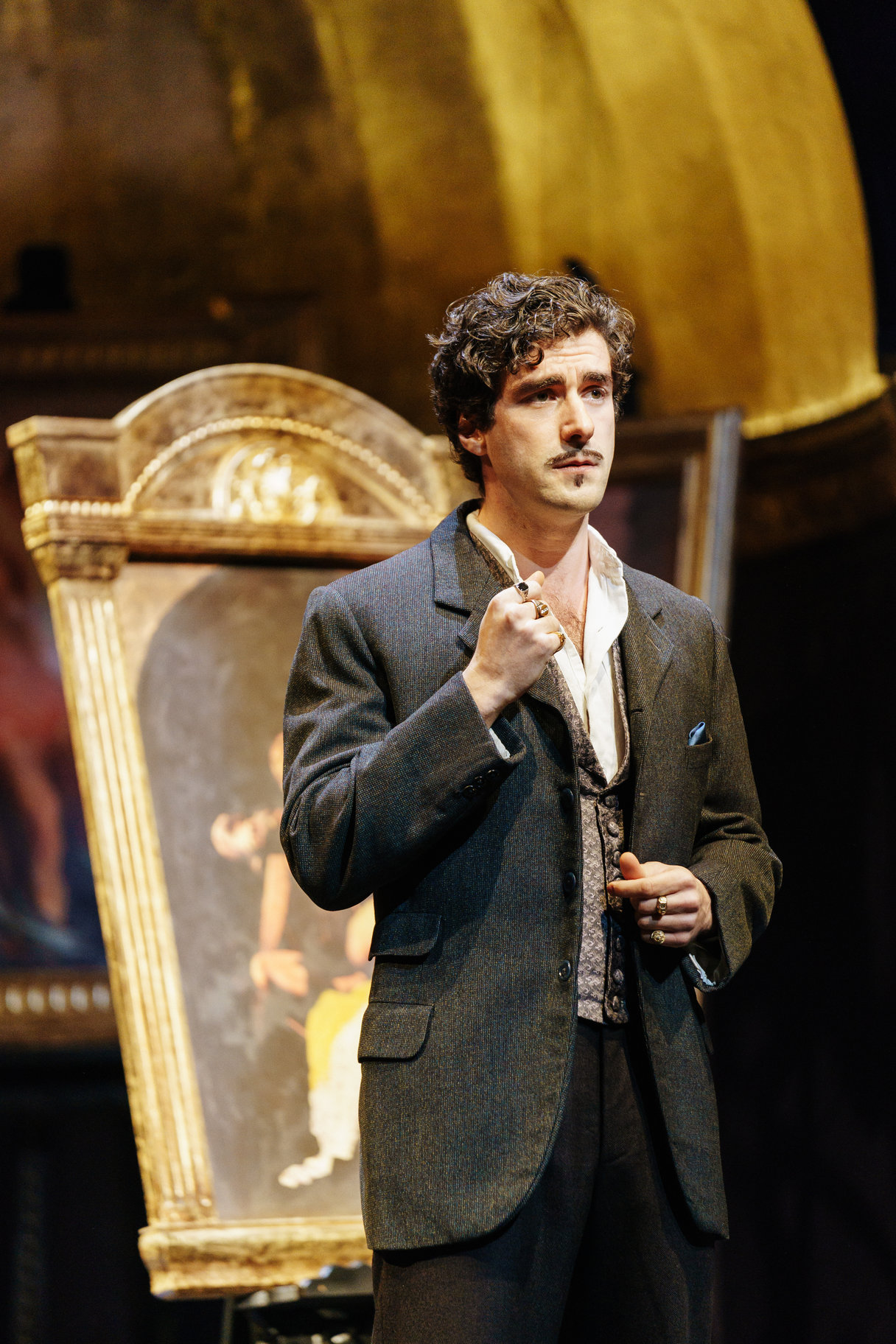
Analysis: Orsino's opening line reveals his melodramatic and obsessive nature when it comes to love. He views love as all-consuming and craves its intensity, which reflects the play's portrayal of love as both exhilarating and painful.
Quote: "Make no compare / Between that love a woman can bear me / And that I owe Olivia." (Act II, Scene iv)
Analysis: Orsino's view of women as inferior in love reflects the gender norms of Shakespeare's time. However, this statement contrasts with his growing affection for Cesario, which suggests a deeper connection that transcends gender.
Olivia
Quote: "Even so quickly may one catch the plague?" (Act I, Scene v)
Analysis: Olivia likens falling in love with Cesario to catching a disease, highlighting love's sudden and uncontrollable nature. This mirrors the play's theme of love as a force that disrupts lives.
Quote: "What is your parentage?" (Act I, Scene v)
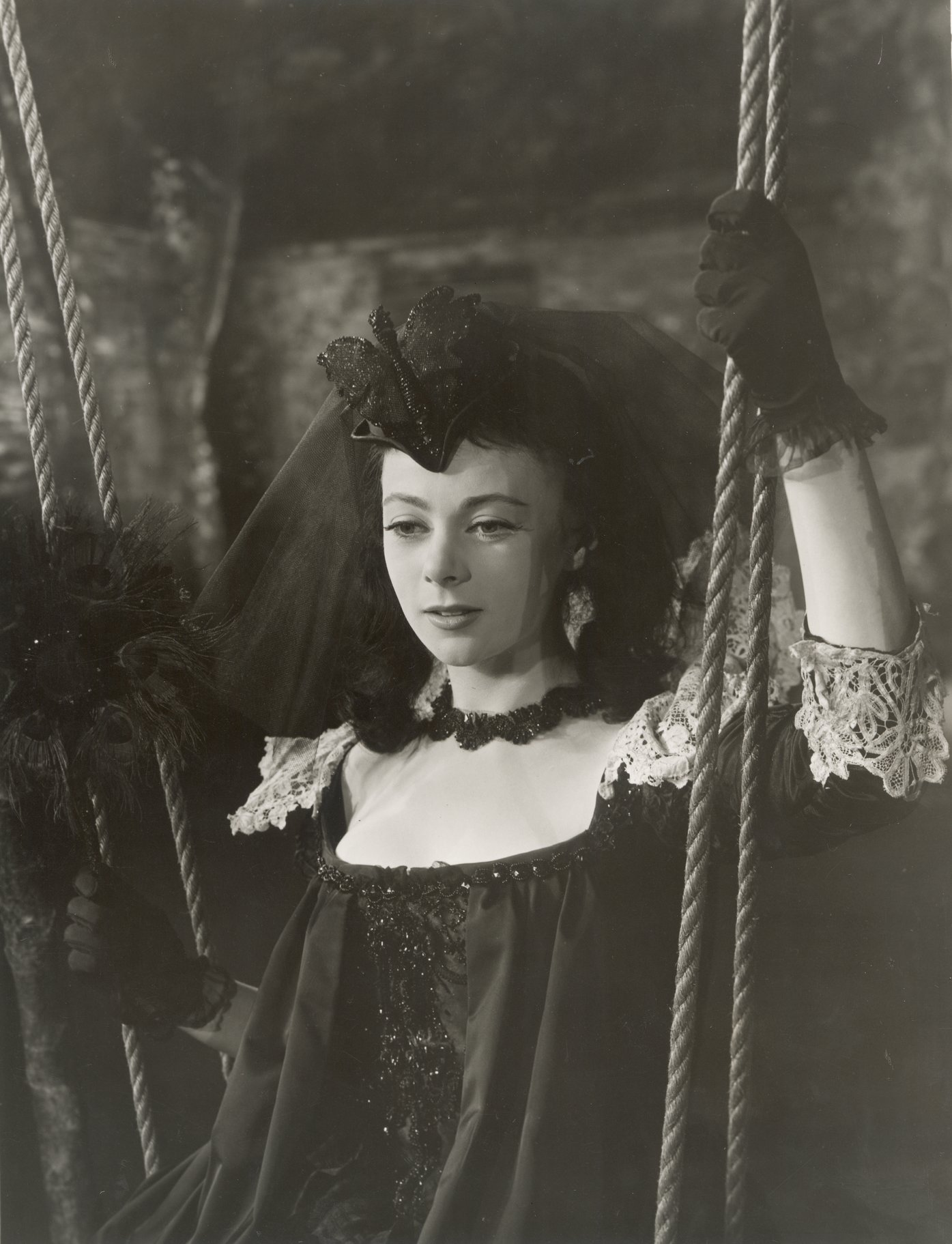
Analysis: Olivia's interest in Cesario's background shows her attraction to him despite her initial resistance to love. Her changeability adds to the comedic and chaotic nature of the play.
Malvolio
Quote: "Some are born great, some achieve greatness, and some have greatness thrust upon them." (Act II, Scene v)
Analysis: Malvolio's reading of Maria's forged letter reveals his arrogance and ambition to rise above his social class. Shakespeare uses Malvolio's delusions to critique the folly of ambition and the rigid class structures of Elizabethan society.
Quote: "I'll be revenged on the whole pack of you." (Act V, Scene i)
Analysis: Malvolio's vow for revenge reflects the darker side of the play's humour. His humiliation challenges the play's otherwise light-hearted tone, showing the consequences of cruelty and deception.
Sir Toby Belch
Quote: "Dost thou think, because thou art virtuous, there shall be no more cakes and ale?" (Act II, Scene iii)
Analysis: Sir Toby's mocking of Malvolio's seriousness reflects his love of indulgence and mischief. Shakespeare uses Sir Toby to embody the festive and anarchic spirit of the play.
Quote: "I hate a drunken rogue." (Act V, Scene i)
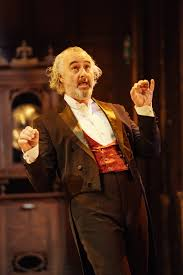
Analysis: Sir Toby's ironic insult to Sir Andrew highlights his own hypocrisy and self-interest. His opportunistic behaviour contrasts with his jovial facade.
Maria
Quote: "The letter, at Sir Toby's great importance, / In recompense whereof he hath married her." (Act V, Scene i)
Analysis: Maria's cunning and cleverness are rewarded with her marriage to Sir Toby. Her success contrasts with Malvolio's downfall, showing how it can triumph over ambition.
Quote: "I can write very like my lady." (Act II, Scene iii)
Analysis: Maria's skill in forgery drives much of the play's comedic chaos. Her intelligence and resourcefulness make her one of the play's most dynamic characters.
Sebastian
Quote: "Let me be clear of thee." (Act IV, Scene i)
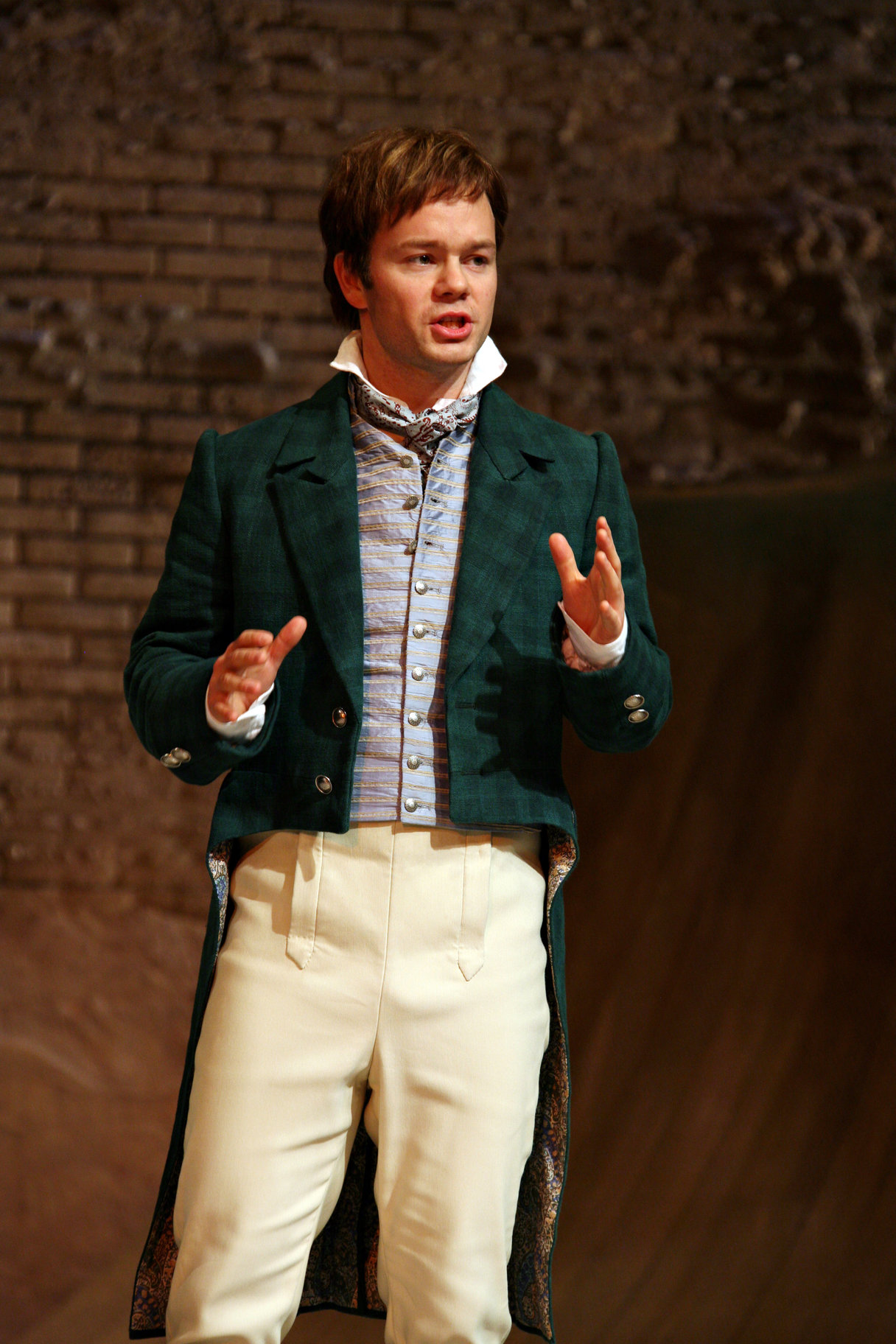
Analysis: Sebastian's confusion during his mistaken identity with Cesario highlights the play's theme of disguise and deception. His bewilderment adds to the chaotic humour of the final acts.
Quote: "I'll follow this good man and go with you." (Act IV, Scene i)
Analysis: Sebastian's easy acceptance of Olivia's affection contrasts with Viola's hesitation, highlighting the randomness and unpredictability of love in the play.
Antonio
Quote: "This youth that you see here / I snatch'd one half out of the jaws of death." (Act V, Scene i)
Analysis: Antonio's speech about saving Sebastian shows his deep emotional attachment. However, his unfulfilled love contrasts with the happy endings of other characters.