Climate change challenges (Edexcel GCSE Geography A): Revision Notes
📚Revision Notes
Climate change challenges
Introduction to climate change challenges in the UK
Climate change presents significant challenges for the United Kingdom, with scientists predicting various impacts that will affect both the environment and society. Understanding these challenges and the potential responses is crucial for effective planning and adaptation. The effects of climate change will vary across different regions and seasons, requiring both local and national strategies to address the emerging issues.
Note
The UK's geographic position and varied landscape mean that climate change impacts will not be uniform across the country, making regional planning essential for effective adaptation strategies.
The UK's future climate projections
Climate scientists predict that the UK will experience substantial changes in its climate patterns over the coming decades. Temperature increases are expected to range between and , which will bring about warmer conditions during both summer and winter months. This warming trend will be accompanied by significant changes in precipitation patterns across different regions of the country.
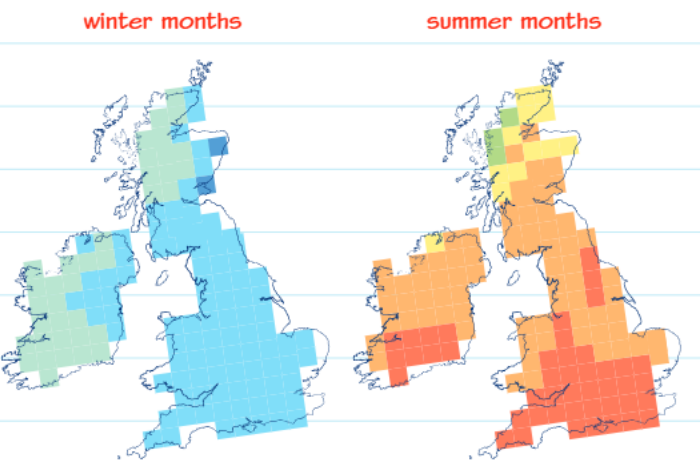
The seasonal variations in climate change impacts will be particularly noticeable. Winter months are projected to become milder, whilst summer temperatures will rise significantly, especially in southern England. Scientists also anticipate that precipitation levels will increase overall, though the distribution will be uneven across the country. Under high-emissions scenarios, the percentage change in precipitation by the 2080s could be substantial, with some areas experiencing much wetter conditions whilst others may face drier periods.
Important
These temperature and precipitation changes represent some of the most significant climate shifts the UK has experienced in recorded history, requiring unprecedented adaptation measures.
Climate change impacts on the UK
Extreme weather events and temperature changes
One of the most significant consequences of climate change will be the increase in extreme weather events. By 2080, temperature increases are expected to cause more frequent heatwaves, particularly affecting urban areas and vulnerable populations. These heatwaves will be accompanied by warmer winters, which may initially seem beneficial but can disrupt natural ecosystems and agricultural cycles.
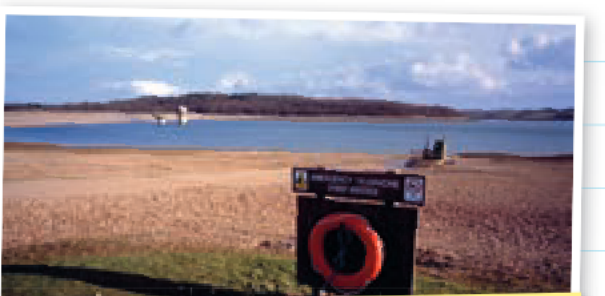
The changing temperature patterns will also lead to periods of drought in some regions. As temperatures rise and weather patterns shift, certain areas of the UK may experience prolonged dry spells that could affect water supplies, agriculture, and natural habitats.
Important
Vulnerable populations, including the elderly and those with pre-existing health conditions, face the greatest risks from extreme temperature events and require special consideration in adaptation planning.
Coastal impacts and sea level rise
Climate change will have particularly severe effects on the UK's extensive coastline. Rising global temperatures will cause sea levels to rise, creating increased risks for coastal communities and infrastructure. This sea level rise will combine with more intense storm systems to create dangerous conditions for coastal areas.

Extreme coastal flooding events will become more frequent and severe. These flooding incidents will increase rates of erosion along coastal landforms, threatening both natural environments and human settlements. Railways, roads, and buildings close to the coast will face increased risks from storm surges and high tides.
The monitoring of these coastal changes has become increasingly important for understanding and predicting future impacts.
Note
Continuous monitoring systems along the UK's coastline provide essential data for predicting flood risks and planning coastal defences, helping communities prepare for future challenges.
UK responses to climate change
Local scale responses
Individuals and communities can play a crucial role in responding to climate change challenges through various actions that reduce their environmental impact. At the local level, people can significantly reduce their carbon footprint by making changes to their daily routines and lifestyle choices.
Transportation choices represent one of the most effective ways individuals can respond to climate change. By using public transport instead of private cars, people can help reduce greenhouse gas emissions such as CO₂. Car sharing schemes and cycling also contribute to lower emissions from the transport sector.
Example
Practical Example: Daily Commute Changes
A person who switches from driving 20 miles daily to using public transport can reduce their annual CO₂ emissions by approximately 2.5 tonnes - equivalent to the amount absorbed by 100 trees in a year.
Waste management practices offer another important opportunity for local action. Recycling waste materials helps reduce the energy required for manufacturing new products, thereby decreasing overall carbon emissions. Additionally, individuals can install renewable energy resources in their homes, such as solar panels or small wind turbines, to reduce their reliance on fossil fuels.
Home energy efficiency improvements also make a significant difference. Installing cavity wall and loft insulation helps reduce the amount of heat lost from homes, which decreases the use of fossil fuels for heating purposes. This directly contributes to reducing climate change impacts whilst also providing economic benefits through lower energy bills.
National scale responses
The UK government has the capacity to implement large-scale changes that can help tackle climate change more effectively than individual actions alone. At the national level, policies and investments can create widespread improvements in sustainability and environmental protection.
Government initiatives can promote the use of more sustainable practices across various sectors of the economy. This includes raising awareness about climate change issues and adopting policies that encourage businesses and individuals to reduce their environmental impact. The government can also implement regulations that require industries to meet certain environmental standards.
Continued investment in renewable energy represents a critical national response to climate change. The UK government can expand the use of renewable energy sources such as wind, solar, and hydroelectric power. This investment helps reduce the country's dependence on fossil fuels whilst creating new employment opportunities in green technology sectors.
Note
The UK's commitment to achieving net-zero carbon emissions by 2050 requires coordinated action across all levels of government and society, making both local and national responses essential for success.
Summary
Key Points to Remember:
- Climate change will cause UK temperatures to rise by to , leading to warmer summers and winters with increased extreme weather events
- Coastal areas face significant challenges from sea level rise, increased flooding, and higher rates of erosion threatening communities and infrastructure
- Local responses include using public transport, recycling waste, and installing renewable energy and insulation in homes to reduce carbon footprints
- National responses involve government investment in renewable energy and promoting sustainable practices across all sectors of society
- Both individual and government actions are essential for effectively addressing climate change challenges in the UK