Consumption and environmental challenges (Edexcel GCSE Geography A): Revision Notes
📚Revision Notes
Consumption and environmental challenges
The United Kingdom faces significant challenges as its population continues to grow, putting increasing pressure on natural resources and ecosystems. Understanding these challenges and the solutions being implemented is crucial for sustainable development.
Growing population pressures
The UK is experiencing substantial population growth that creates mounting pressure on the country's resources and environment. This growth stems from two main sources and has far-reaching implications for sustainability.
Population growth trends
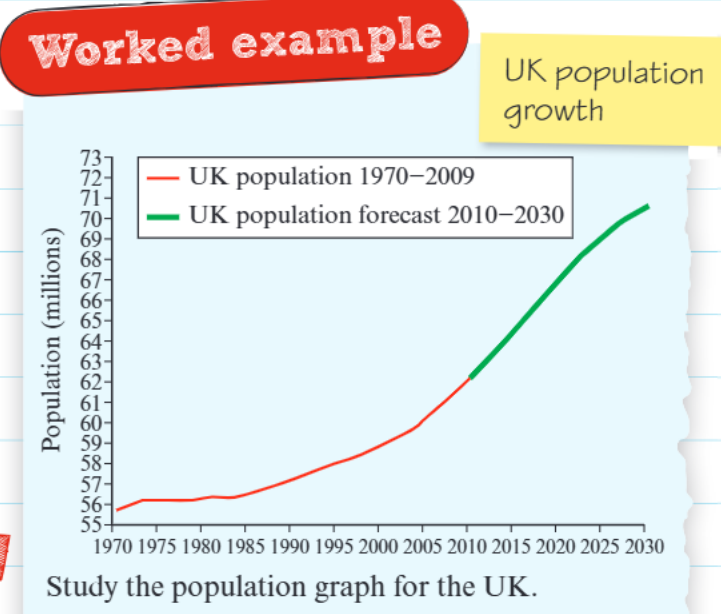
Britain's population is steadily increasing and is projected to continue this upward trajectory. Current forecasts suggest that by 2030, the UK's population will reach approximately 70.5 million people, representing a significant increase from previous decades.
Note
This growth pattern demonstrates a consistent upward trend that began in the 1970s and shows no signs of slowing down. The steady increase places mounting demands on housing, infrastructure, and natural resources across the country.
Sources of population increase
The UK's growing population results from two distinct factors working together. Annual migration contributes approximately 259,700 new residents to the country each year, while natural increase (births exceeding deaths) adds around 226,200 people annually. These figures highlight how both international movement and domestic population dynamics drive overall growth.
The impact of migration is particularly notable, with statistics showing that in 2020, 29% of all births were to mothers who were born outside the United Kingdom. This demonstrates how migration patterns influence not just immediate population numbers but also future demographic trends.
Food security implications
One of the most pressing concerns arising from population growth is food security. The UK currently produces only 60% of the food it consumes, meaning the country relies heavily on imports to feed its population.
Important
As the number of residents continues to increase, this dependency on external food sources becomes more pronounced and potentially problematic for long-term sustainability. This represents a critical vulnerability in the UK's resource security.
Environmental pressures from population growth
The expanding population creates numerous environmental challenges that affect ecosystems and resource availability throughout the UK. These pressures manifest in various interconnected ways that require careful management and policy intervention.
Resource consumption challenges
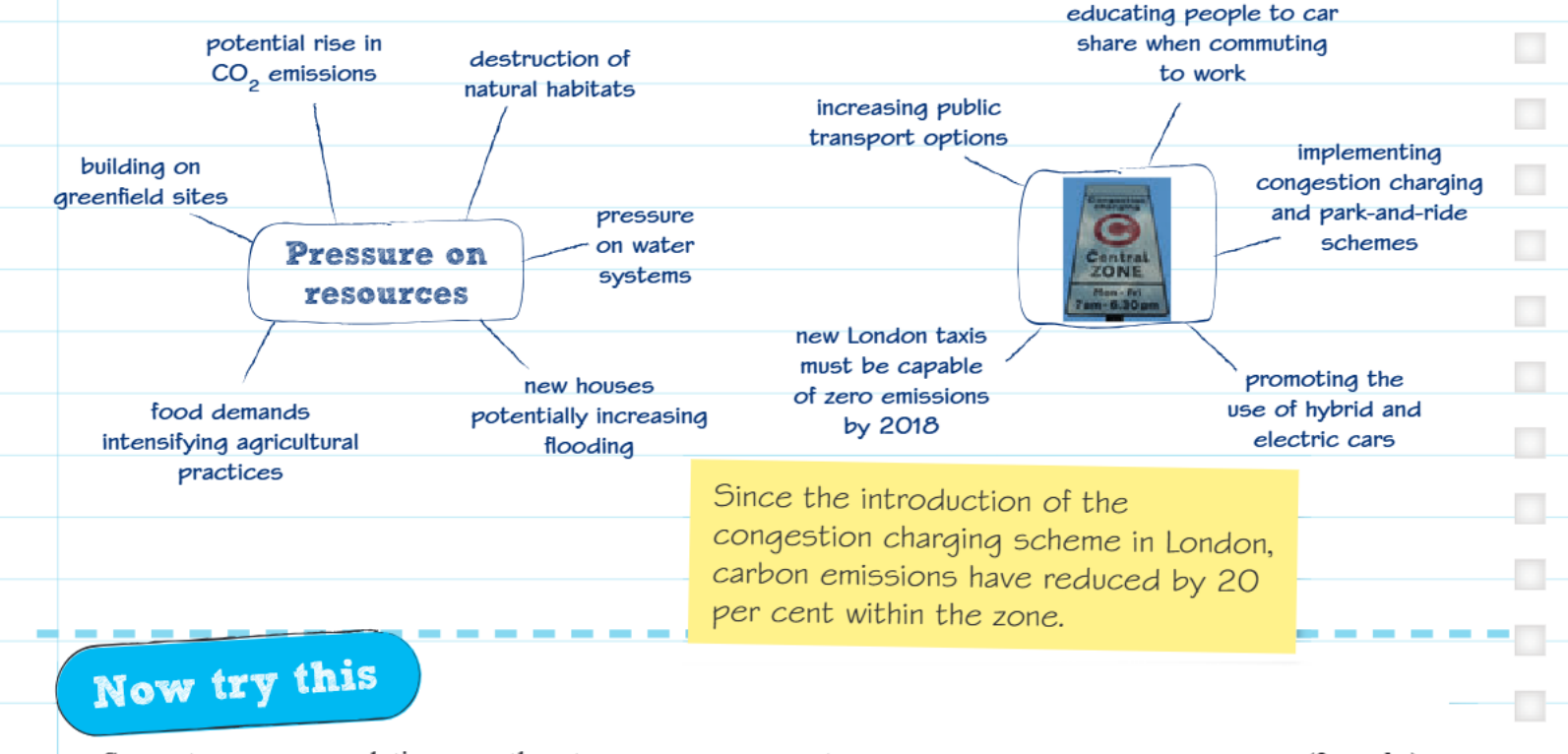
Growing population numbers intensify the demand for natural resources across multiple sectors. Housing development often requires building on previously undeveloped greenfield sites, reducing available natural habitat and agricultural land. Water systems face increased pressure as more households and businesses require reliable supplies for daily operations.
Food production must intensify to meet growing demand, leading to more intensive agricultural practices that can strain soil quality and biodiversity. Additionally, the construction of new housing developments to accommodate population growth can potentially increase flood risks in certain areas.
Note
The pressure on resources creates a compound effect where each new resident not only requires immediate resources like housing and water, but also contributes to long-term environmental challenges through increased consumption patterns.
Ecosystem impacts
Population growth contributes to various forms of environmental degradation that threaten natural ecosystems. Increased economic activity and transportation needs lead to higher carbon dioxide emissions, contributing to climate change concerns. The destruction of natural habitats occurs as land is converted for housing, infrastructure, and industrial purposes.
These environmental pressures create a cycle where population growth drives resource consumption, which in turn generates environmental challenges that affect quality of life and sustainability for future generations.
Sustainable transport solutions
Recognising the environmental challenges posed by population growth, the UK has implemented various policy measures to reduce environmental impact while accommodating increasing numbers of residents. Transport policy represents a particularly important area for intervention.
London congestion charging case study
London's congestion charging scheme serves as an excellent example of successful environmental policy implementation. This system requires drivers to pay a fee for entering central London during peak hours, creating financial incentives to use alternative transport methods.
Example
Case Study: London Congestion Charging Implementation
Step 1: Policy Design The scheme requires drivers to pay a fee for entering central London during peak hours, creating financial disincentives for private car use.
Step 2: Alternative Provision Public transport options were expanded to provide viable alternatives to private car use, ensuring people had practical alternatives.
Step 3: Behavioural Change Educational programmes encouraged people to share cars when commuting to work, reducing the total number of vehicles on the road.
Step 4: Technology Integration The system incorporates automated monitoring and payment systems to ensure effective enforcement.
Policy outcomes and effectiveness
The congestion charging system has demonstrated remarkable success in achieving its environmental objectives. Since its introduction, carbon emissions within the congestion zone have decreased by 20%, representing a significant environmental improvement in one of the UK's most densely populated areas.
Additional policies support this success, including requirements for new London taxis to be capable of zero emissions by 2018, and active promotion of hybrid and electric vehicles. These measures work together to create a comprehensive approach to sustainable urban transport.
Note
The London example shows how targeted policy interventions can effectively address environmental challenges while accommodating population growth and economic activity in major urban centres. This demonstrates that environmental sustainability and economic development can coexist with proper planning.
Summary
Key Points to Remember:
- UK population growth stems from both migration (259,700 annually) and natural increase (226,200 annually), creating mounting pressure on resources and ecosystems
- The UK's food security is vulnerable as it produces only 60% of its own food, making it increasingly dependent on imports as population grows
- Environmental pressures include habitat destruction, increased CO₂ emissions, water system strain, and intensified agricultural practices
- London's congestion charging scheme demonstrates successful policy intervention, achieving a 20% reduction in carbon emissions within the charging zone
- Sustainable transport solutions require comprehensive approaches combining financial incentives, public transport expansion, and promotion of low-emission vehicles