The British Withdrawal and the Creation of Israel (Edexcel GCSE History): Revision Notes
📚Revision Notes
The British Withdrawal and the Creation of Israel
A Mandate by the League
Great Britain was tasked by the League of Nations to govern the Palestinian territory through the Palestine Mandate in 1920. With the continuous influx of Jews in the 1920s and 1930s, it brought about conflict between Jews and Arabs.
Later on, it culminated in the fall of British rule in the territory after World War II, in which Britain withdrew from Palestine in 1947 and the state of Israel was created through the UN Partition Plan. The plan led to the Arab-Israeli War between 1948-1949.
The Logo of the League of Nations
PROBLEMS IN PALESTINE
The Palestine problem can be summed up into two points:
- Territorial claims
- Historical conflict between Jews and Arabs
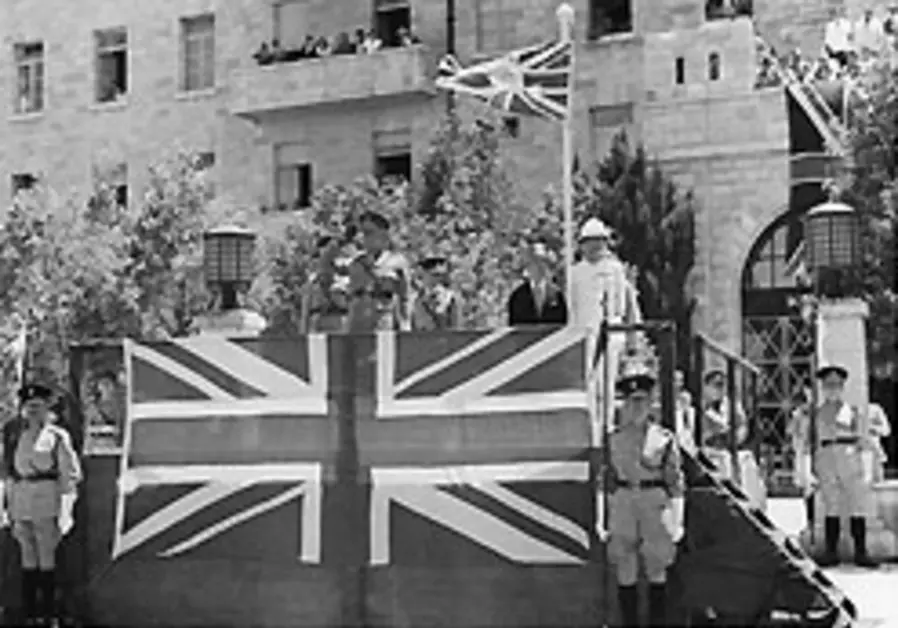
British forces in Palestine
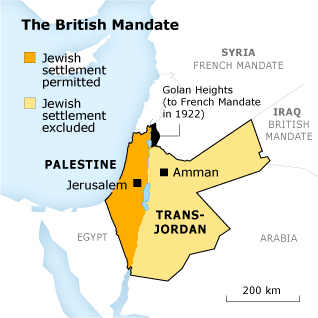
Map of the British Mandate of Palestine
THE JEWS' AND THE ARABS' CLAIM OVER PALESTINE
The Jews had experienced persecution and ejection from Palestine through history. After the two revolts in 70 AD and 135 AD, the Romans ejected the Jews and they were not allowed to live in Palestine. The Jews believe themselves to be God's chosen people and their persecution through anti-Semitism (hatred of the Jews) spread in Europe into the 19th and 20th centuries. Before 1914, about three million Jews had already migrated to Eastern Europe to escape persecution.
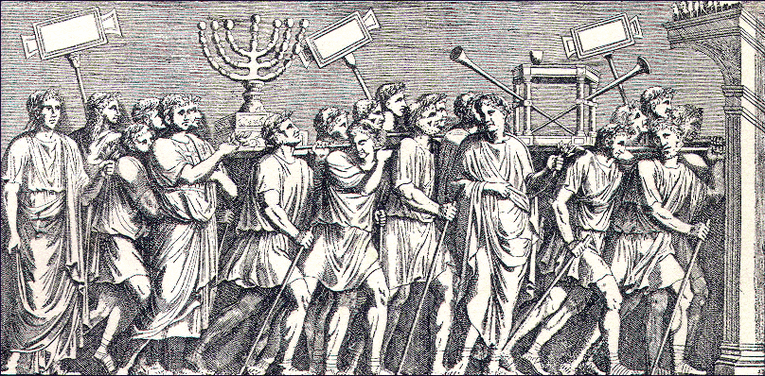
Roman persecution of the Jews during the rule of the Roman Empire
While the Jews experienced persecution at the hands of the Romans and other empires, the Arabs mostly controlled the entire Middle East, North Africa, and southwestern Europe during the Middle Ages. However, the empire eventually declined.
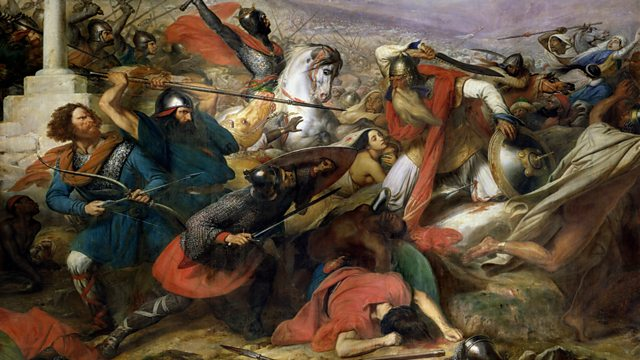
A historic painting entitled The Arab Conquest
With this, the Ottoman Turks absorbed the Arab territories, which became part of the empire in the 16th century. The Arabs continued to seek independence from the Turks until 1913, however. In 1913, Arab states held the first national congress. In 1914, a nationalist manifesto was published, which became an instrument for pushing for Arab independence.
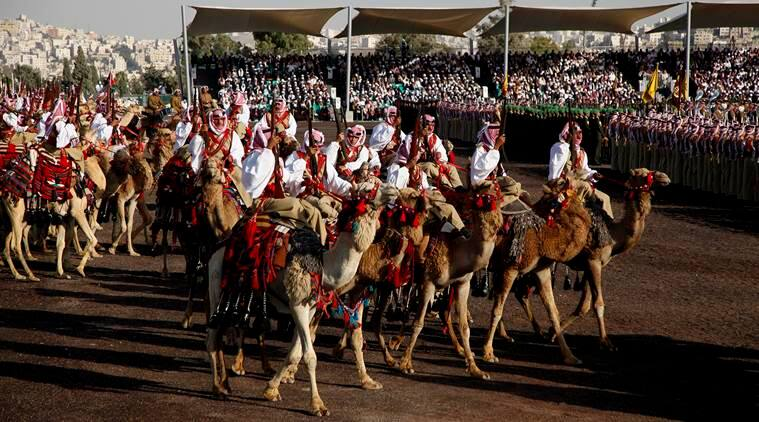
A parade celebrating the Arabs' revolt against the Ottoman Empire (1916)
Note
Historically, the Jews and the Arabs laid claim over the Palestinian territory. Conflict ensued between the two groups as the Jews built farming settlements in areas where Arabs mostly lived.
THE FIRST WORLD WAR: ALLIANCES FORMED AGAINST THE OTTOMAN
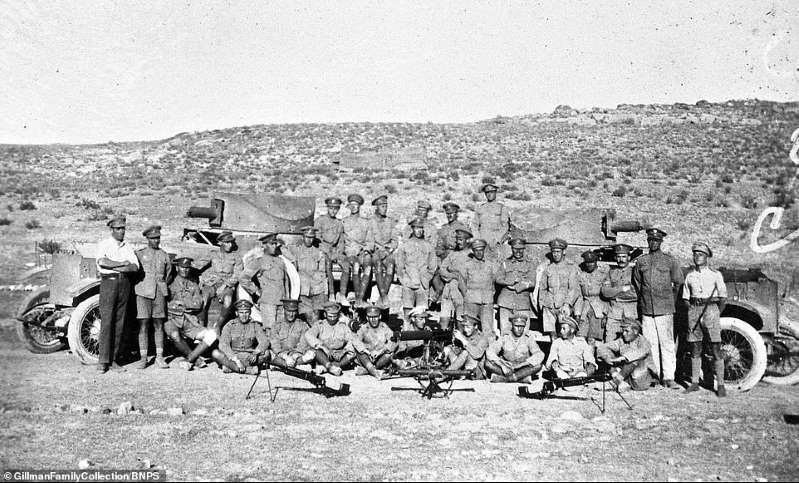
British troops and Arab tribesmen provided war hero T.E. Lawrence assistance in the Arab Revolt against the Ottoman Empire
The alliance between the Ottoman Empire and the Central Powers (Austria-Hungary) during the First World War threatened Great Britain's link to India through the Suez Canal.
Because of this, Britain struck a deal for Arab support in the Middle East and Palestine against the Turkish empire in exchange for their independence. The Arabs accepted it and, in 1918, the Turks were defeated.
With this victory, the Arabs thought that they would finally gain their independence. However, a secret agreement
between France and Britain was made in 1916 to divide the Turkish Empire as spoils of war. When the deal went public, the Arabs expressed great resentment towards Britain.

**France**
Britain
BRITISH SUPPORT FOR THE JEWS: THE BALFOUR DECLARATION (1917)
Aside from the Arabs' support, the British empire sought the support of the Jews. In fact, Foreign Secretary Arthur James Balfour advocated for the establishment of a Jewish state through a letter to Jewish leader Baron Rothschild, who was living in Britain at the time. This letter is known as the Balfour Declaration and was written in November 1917.
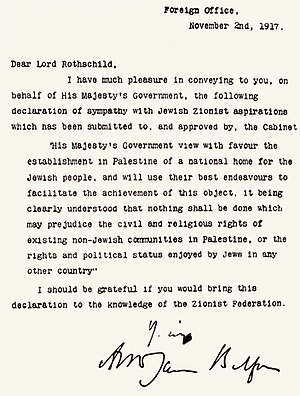
The Balfour Declaration (1917)
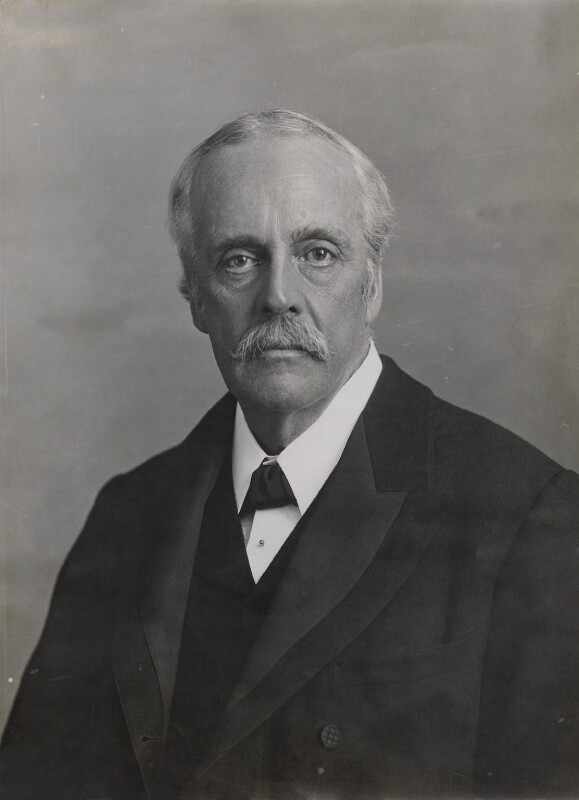
Portrait of Foreign Secretary Arthur James Balfour
THE BRITISH DILEMMA
- Promise of independence for Arabs after defeating the Turkish (Ottoman) Empire
- Support Jews in establishing a state in the Middle East (Palestine) as their permanent home
- Agreement with France to divide the territories conquered by the Turkish Empire
THE BRITISH MANDATE
During the 20th century, the League of Nations established a Mandate system as a way to use mandated power to govern non-self-governing territories temporarily. This was done to look into the development of the territory and the well-being of the populace until they were able to govern themselves. Britain was entrusted with the "Mandate for Palestine" by the League of Nations in July 1922 to recognise the historical ties of the Jewish people with Palestine.
With this, Britain was tasked with establishing the official national home of the Jewish people in Palestine. Two months after, in September 1922, the scope of the mandate changed when the provisions were decided upon by both the League of Nations and Britain. The eastern part of the Jordan River was no longer included in the Mandate (See map on the right, shaded in yellow). Jewish settlements were not allowed in this area.
Under the British Mandate, Jewish and Arab communities were granted the right to govern their own internal affairs. With this provision, the yishuv established both the Elected Assembly and the National Council. The mandate was the outcome of several historical events which include: (1) The occupation of territories by Britain that had previously been ruled by the Ottoman Empire; (2) Peace treaties, which concluded the First World War; and (3) The emergence of the principle of self-determination after the War.
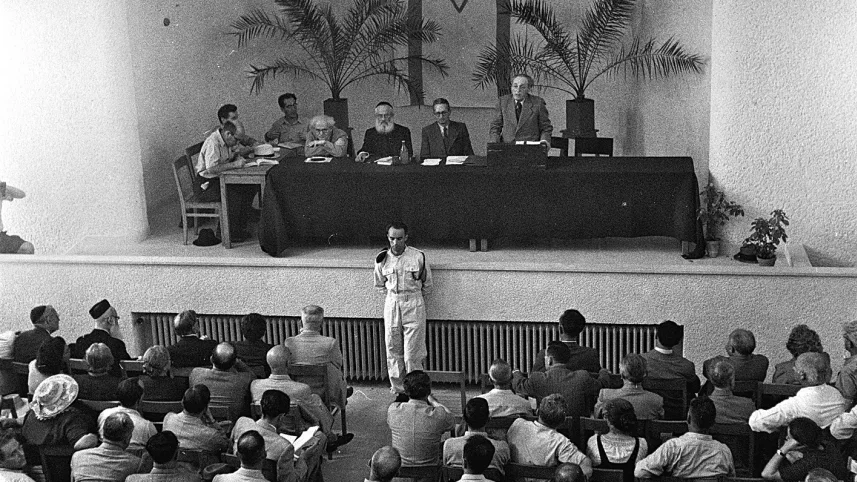
Assembly in session in Jerusalem
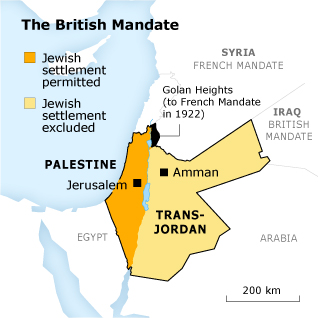
The British Mandate of Palestine Map
JEWISH IMMIGRATION TO PALESTINE
The year 1918 saw a sudden increase in the population of Jews in Palestine. This was a result of the following factors:
- Legal basis of immigration by the Balfour Declaration in 1917.
- The US Immigration Act of 1924, which restricted European immigration to the US after World War I by setting quotas for each country. Limitations on immigration were implemented in Europe.
- A better quality of life in Palestine.
- The rise of anti-Semitism and Nazi rule in Germany, whereby Jews escaped persecution.
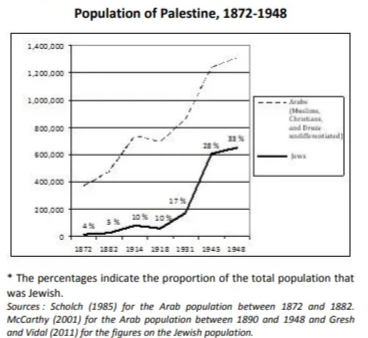
JEWISH IMMIGRATION TO PALESTINE
- 1919 - 1923 35,000 Jews came from the Soviet Union, Poland, and Baltic Countries
- 1924 - 1931 82,000 Jews from the Balkans and the Near Orient started to settle in Palestine
Note
These numbers continued to increase with the rise of anti-Semitism and Nazi rule in Germany, where many Jews escaped persecution at the hands of Adolf Hitler.
- 1932 - 1939 Palestine accommodated 247,000 more Jews from Europe
Note
This created a wave of sympathy among Western countries, particularly Britain and the US, of their plight and the desire to have a Jewish state in Palestine.
ENSUING VIOLENCE IN PALESTINE
As the mandate continued, Arab resentment continued to grow as their promised right of national self-determination was denied. Provisions in the mandate still continued, no matter how conflicting they were. Continued colonisation of land and Jewish immigration prevailed, which brought about significant outbreaks of violence in Palestine, especially between 1920 and 1939.
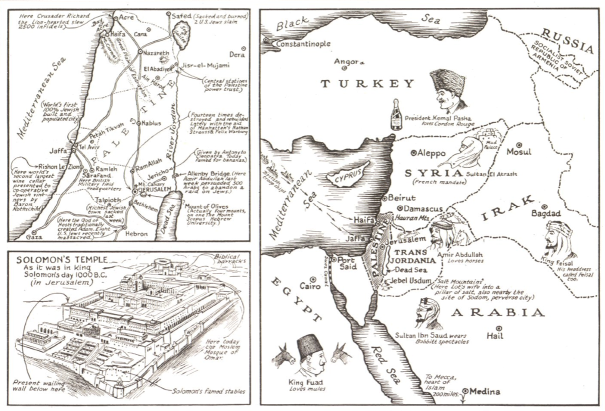
Islam vs. Israel (Time, 1929)
ENSUING VIOLENCE IN PALESTINE
Note
"The fighting that began between Jews and Arabs at Jerusalem's Wailing Wall spread last week throughout Palestine, then inflamed fierce tribesmen of the Moslem countries which face the Holy Land (see map on the right)…" - Time Report from August 26, 1929, on the tensions between Jews and Arabs
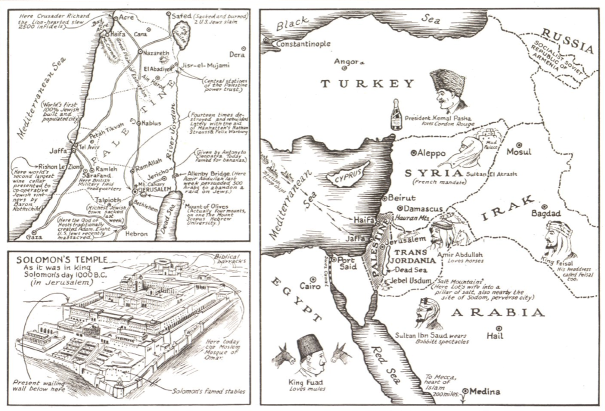
Islam vs. Israel (Time, 1929)
ENSUING VIOLENCE IN PALESTINE
In May 1921, 200 Jews died and 120 were wounded in a clash at the port of Jaffa. This was followed by more violence in 1929, where 133 Jews and 116 Arabs were killed. These violent clashes were investigated by a Commission of Inquiry created by the British government. The results of the investigation were not made public at the time but they were seen in the report of the Royal Commission in 1937.
Based on the report, the underlying causes of the political unrests in the territory were cited as follows:
- Disappointment among Arabs on the non-fulfilment of promises of independence.
- Denial of the right of self-determination for the Arabs was implied in the Balfour Declaration.
- Fear among Arabs that establishing a new Jewish homeland would lead to an influx of Jews, and their "political and economic subjection to the Jews" (British Government, Palestine Royal Commission: Report, Cmd. 5479 (1937), p. 50).
The Beginning of the End of the British Mandate over Palestine
The British government did not succeed in maintaining the spirit of the Mandate given to them by the League of Nations. Many of its policies favoured the Jews over the Arabs. With continuous conflict between the Arabs and the Jews, it seemed that Britain was losing control of the Palestinian territory. Because of this, a commission led by Lord Robert Peel was formed in 1937. It crafted a partition plan, which would abolish the mandate and divide Palestine between the Arabs and Jews (see map on the right). The Jews were not allowed to purchase land in the Arabs' designated territories.
The Partition Plan of the 1937 Peel Commission
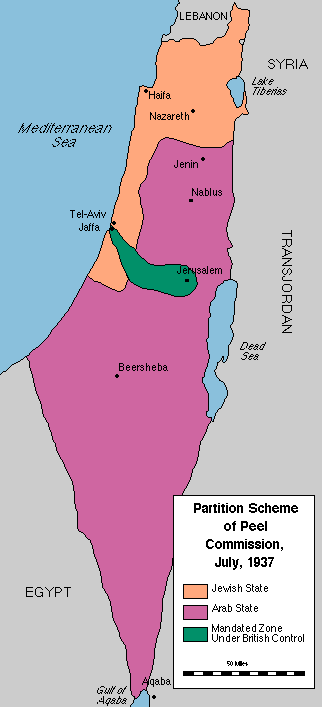
Partition Plan of the Peel Commission for Palestine (1937)
Both Jaffa and Jerusalem would remain under British control and international supervision, however. The Arabs rejected the plan, while the Jews had internal disagreements. The plan was scrapped.
The White Papers of 1930 and 1939 and The 1940 Land Regulations
With the Peel Commission plan scrapped, the British government still needed to resolve the dilemma they were facing. Under Arab pressure, it withdrew from its commitments to the Jews. Both the White Papers of 1930 and 1939 and the 1940 Land Regulations provided strict regulations on Jewish immigration and land acquisition, respectively. This was welcomed by the Arabs but rejected by the Jews.
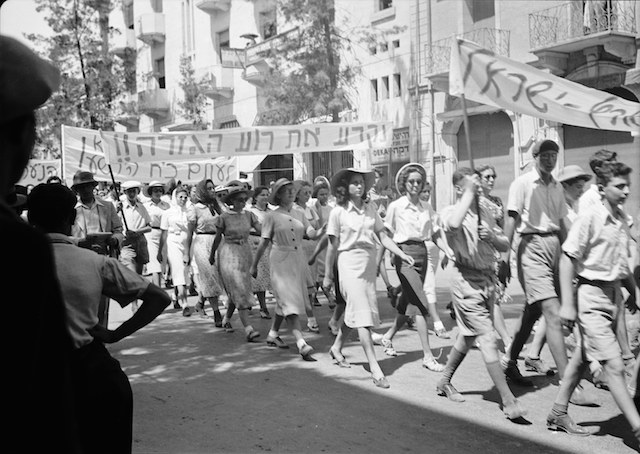
Jews protesting against the White Paper in Jerusalem, May 1939
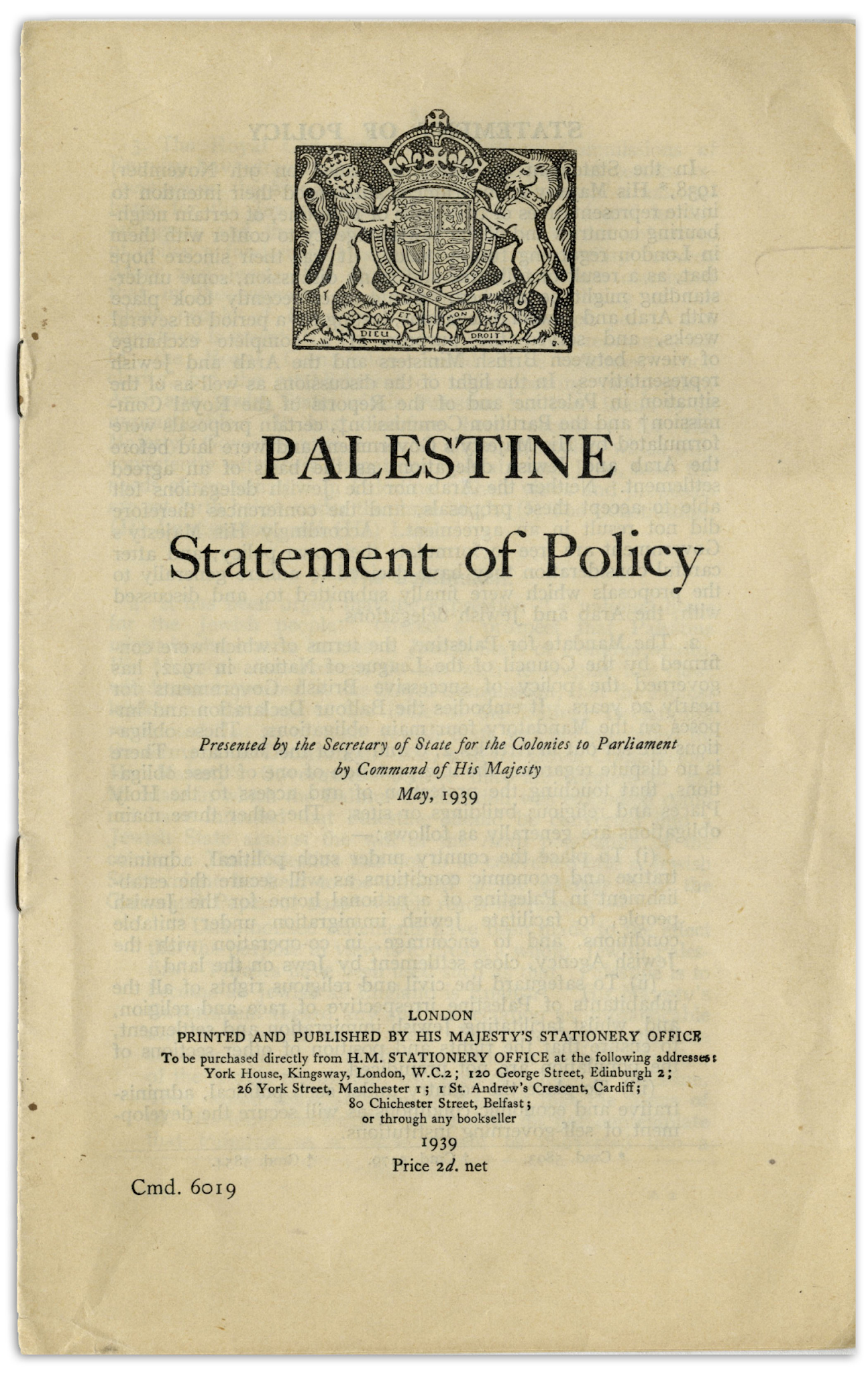
The controversial British policy, White Paper, published in 1939
The Effects of the Second World War
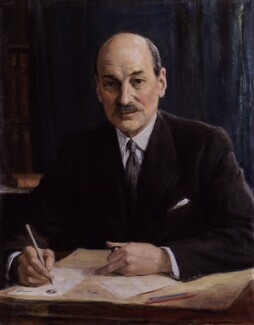
British Prime Minister Clement Attlee
Because of this, Prime Minister Clement Attlee of the Labour Party decided to reduce the British government's overseas commitments and focus on funding its welfare policies at home. Moreover, Britain became heavily dependent on the support of the United States, where it voiced support on the establishment of a Jewish State in the Middle East.
During the Second World War, Britain engaged in battle against emerging extremist groups in Palestine in order to preserve control in the territory. Although they emerged victorious, the British government's economic resources were depleted.
The Beginning of the End of the British Mandate over Palestine
Terrorist Activities in Palestine and the Bombing of King David Hotel (1946)
The hotel served as the headquarters of the British government in Palestine. The incident occurred in retaliation against British troops who attacked the Jewish Agency a month prior. In 1947, two British soldiers were hanged by Irgun members to avenge the killing of three of their members. The photo went viral in several British newspapers.
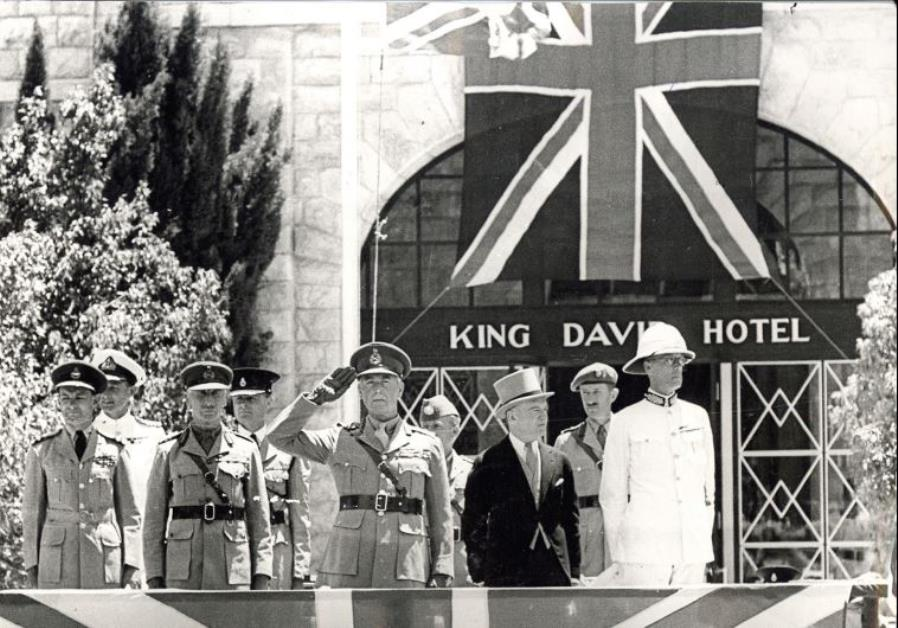
The King David Hotel served as the British government's headquarters in Palestine
Terrorist action committed by the Jews also became an indicator for the British government to start withdrawing from Palestine. In fact, there was increasing concern at the number of British troops and soldiers killed in Palestine, especially in the bombing of the King David Hotel in July 1946.
The Beginning of the End of the British Mandate over Palestine
Terrorist Action in Palestine and the Bombing of the King David Hotel (1946)
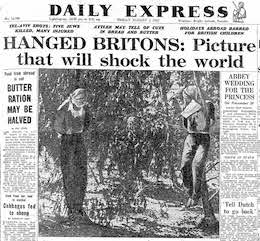
British soldiers Mervyn Paice and Clifford Martin were hanged by Irgun soldiers
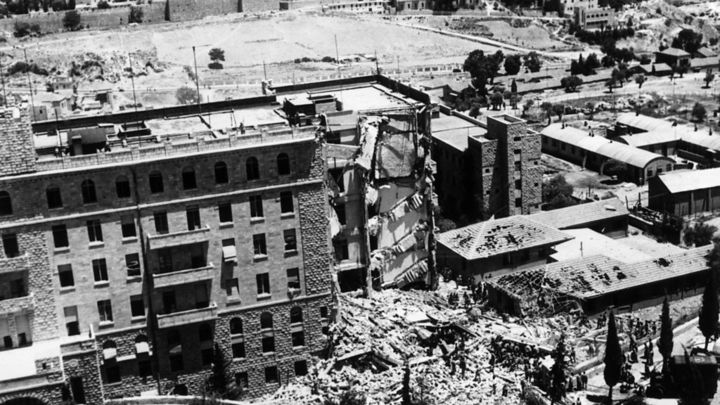
The King David Hotel after the bombing by an armed Jewish group in July 1946
Preventing Jews' Entry to Palestine by Britain
In the same year, SS Exodus carried Holocaust survivors from Germany to Palestine. However, Britain decided to prevent them from entering the territory and ejected them to Germany. This was in line with their policy to prevent further Jewish immigration. Britain's treatment of the Jewish refugees was met with widespread criticism.
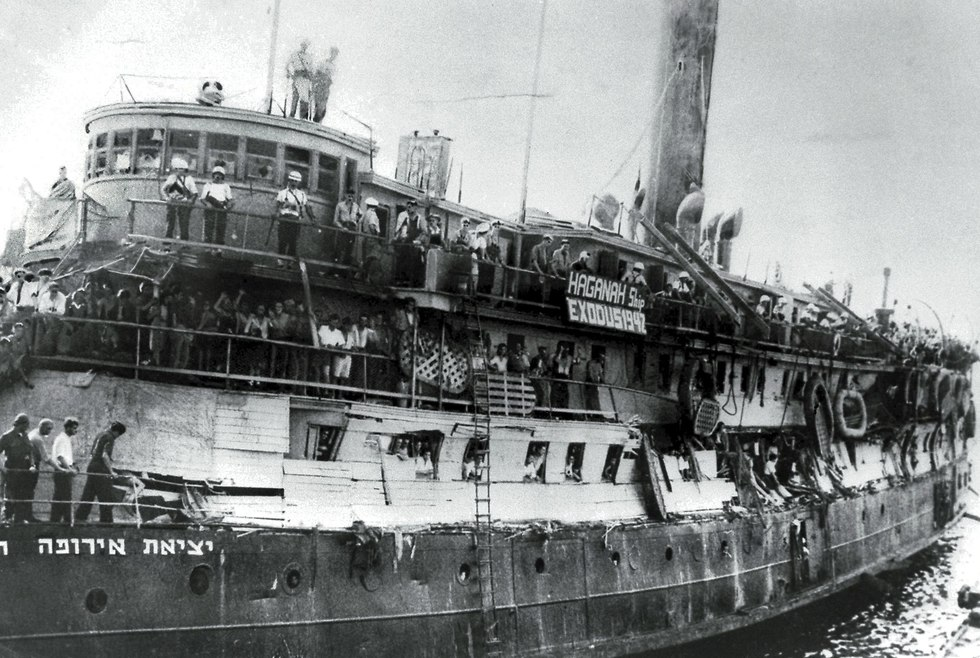
SS Exodus (1947): The ship that launched a nation
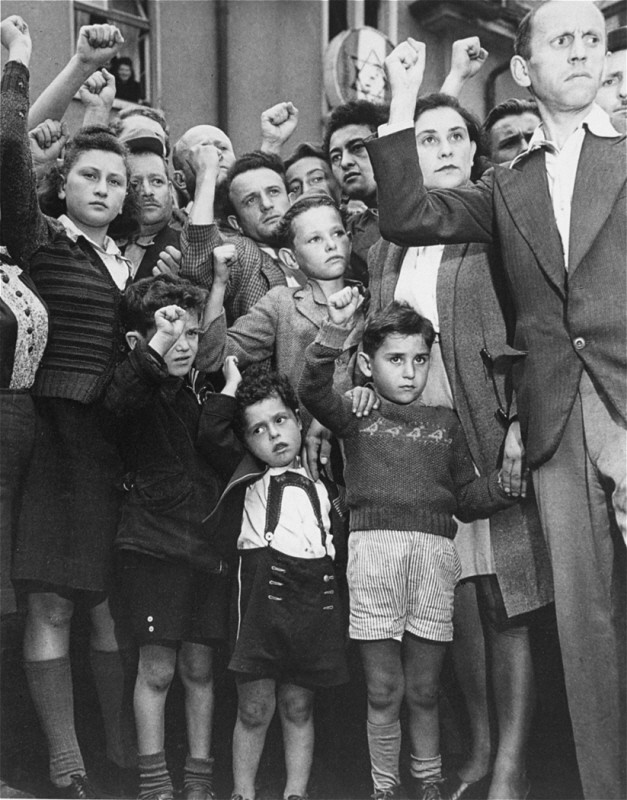
Displaced Jews protesting against Britain's decision to send them back to Germany (1947)
The End of the British Mandate
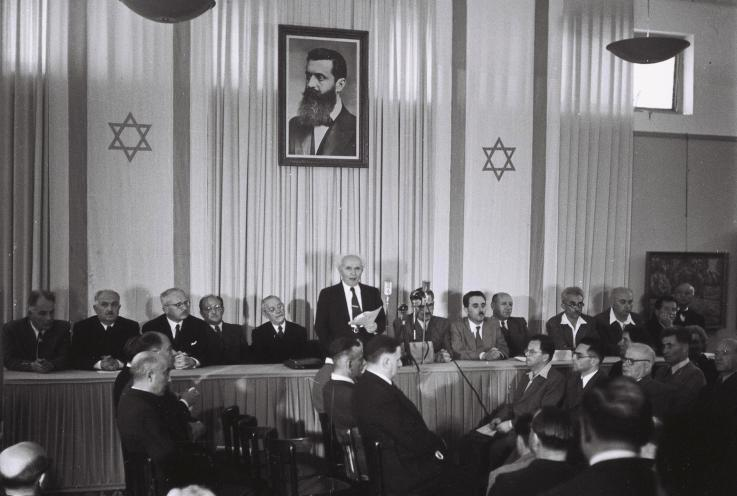
Israel's first Prime Minister, David Ben-Gurion, declared the independence of Israel and spearheaded the establishment of a new Jewish state on May 14, 1948
In May 1948, after 30 years of maintaining control of Palestine, it was announced by the British government that it would withdraw its mandate to the territory, which would be turned over to the United Nations (UN). This signalled the Jewish Declaration of Independence, with David Ben-Gurion taking the helm as the first Prime Minister of Israel. However, the Arabs rejected the existence of Israel as a state.
The United Nations Resolution 181: Palestine Partition Plan (1948)
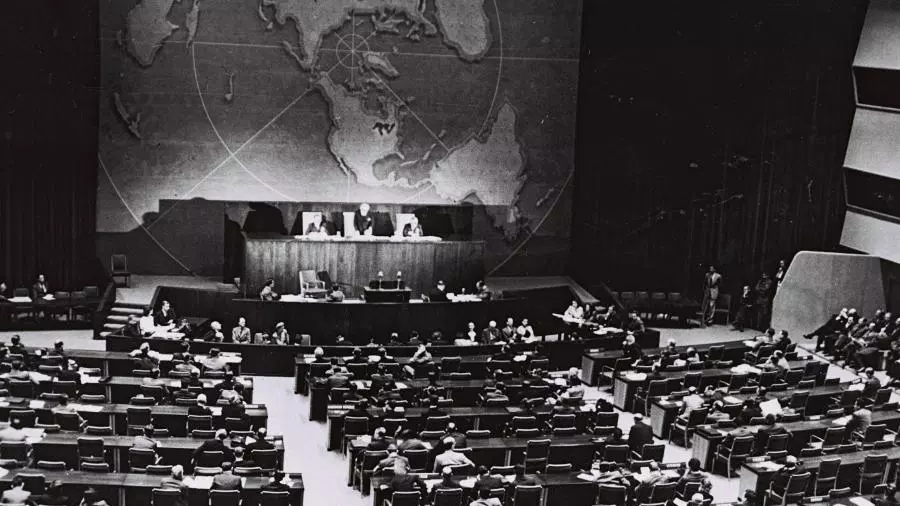
The United Nations General Assembly voting on the Partition Plan (November 1947)
Following Britain's withdrawal of the Palestine Mandate, the United Nations General Assembly created the UN Special Committee on Palestine (UNSCOP) to draw recommendations on the future of Palestine.
The plan called for the partition of Palestine into Arab and Jewish states, with the Jerusalem- Bethlehem region as a separate entity to be governed by a special international regime.
The United Nations logo
UNSCOP came up with the following proposals:
Proposal A: Two separate states joined economically
Proposal B: A single bi-national state composed of autonomous Jewish and Arab regions
The Jews were satisfied with the first proposal but the Arabs were not. As a result, a counter offer was made. According to the proposal, only Jews who had arrived before the Balfour Declaration and their respective descendants would be considered as citizens of the newly-created state. The Jews did not accept the plan.
The Palestine Partition Plan based on the UNSCOP's modified report was submitted to the UN General Assembly and was voted upon on November 29, 1947. As the certainty of the passage of the resolution fell into question, pro-Jewish groups continued to intensify their lobbying. The resolution was passed by the assembly with 33 in favour, 13 against, and 10 abstentions.
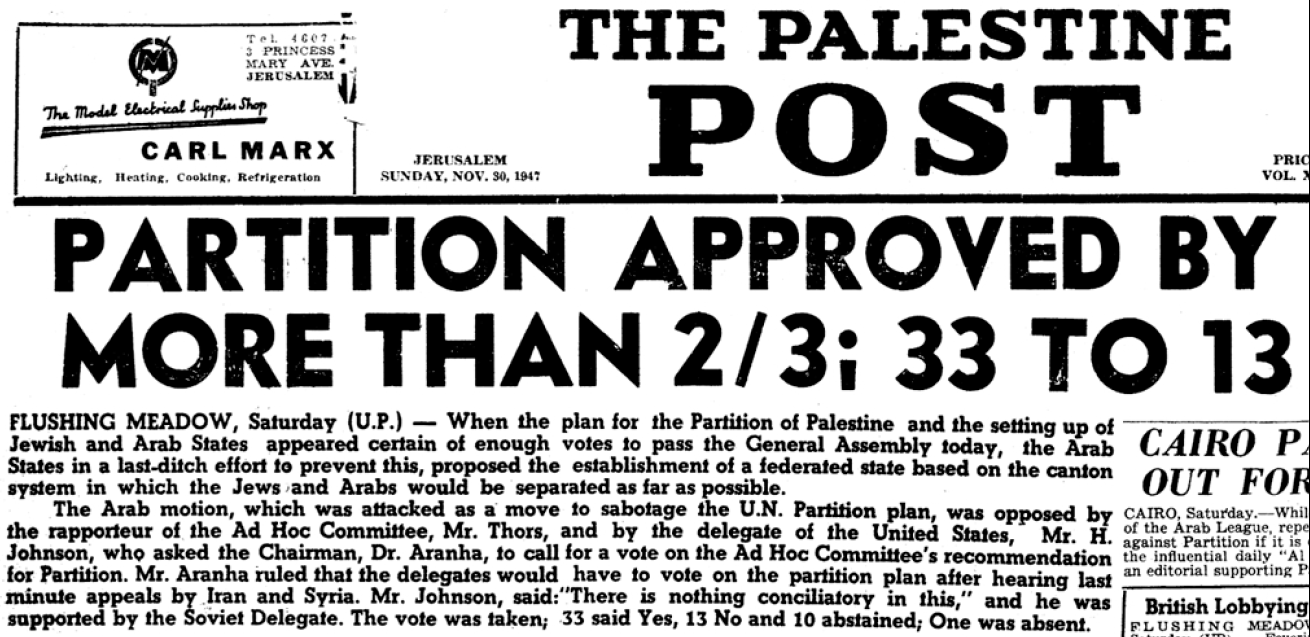
The Palestine Post's headline on the approval of the Partition Plan by the UN General Assembly
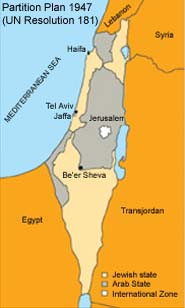
The UN Palestine Partition Plan (Resolution 181)
The Aftermath of the UN Partition Plan and Declaration of Independence of Israel
Following the proclamation of Jewish independence and the creation of Israel in 1948, the Palestinian Arabs began to invade Israel with the help of the neighbouring Arabs states. This led to the outbreak of the first Arab-Israeli War.
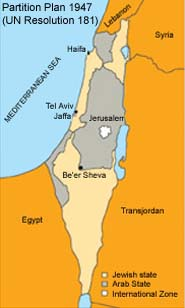
The UN Palestine Partition Plan (Resolution 181)
The Arab-Israeli War (1948-1949)
The First Phase (May to June 1948)
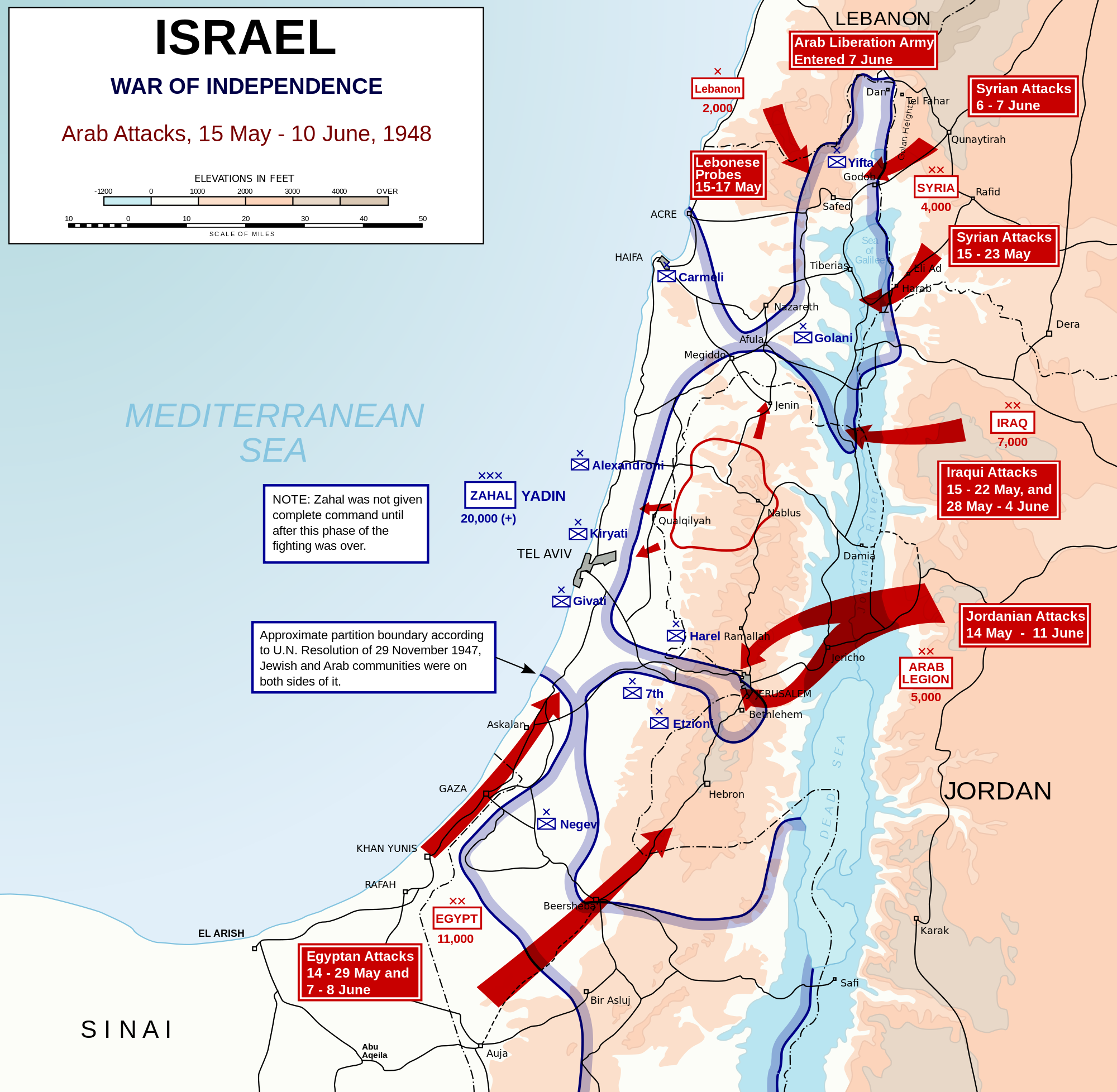
The map of Arab attacks in Israel's territories, 1948
In the first phase of the war, the Palestinian Arabs, together with Iraq, Egypt, Transjordan (Jordan), and Syria invaded Israel. Full-scale military operations were conducted outside the borders of the Jewish areas partitioned by the United Nations. Meanwhile, in the southern portion of Palestine, an Egyptian army invaded and attacked Israeli settlements. The high point of the first phase of the war was the battle for Jerusalem, where Israel gained the advantage over the Arabs. They were able to gain control of the West portion of the region. Due to intense resistance from Israel, the Arabs were driven off from their holdings. A truce was declared by the United Nations on May 29 but it came into effect on June 11 for twenty-eight (28) days. Both the Arabs and the Israelis violated the provisions of the ceasefire, however.
The Second Phase (July 1948)
The second phase of the war was known as the "ten-day battle." General Muhammad Naguib and the rest of the Egyptian forces invaded and attacked Negba on July 8, 1948. The next day, Israeli air forces held simultaneous attacks from Quneitra to Arish, while the Egyptian air force bombed the city of Tel Aviv. Meanwhile, the Haganah captured Arab territories and temporarily opened the road to Jerusalem.
They were able to gain control of the Galilee region in the northern part of the Palestinian territory. In the south, they were able to resist attacks from Egyptian forces in the Negev. The war lasted for ten days, with continuous domination by Israeli forces while the Arabs remained on the defensive. On July 18, 1948, the UN Security Council declared a second truce between the two parties after a series of diplomatic talks.
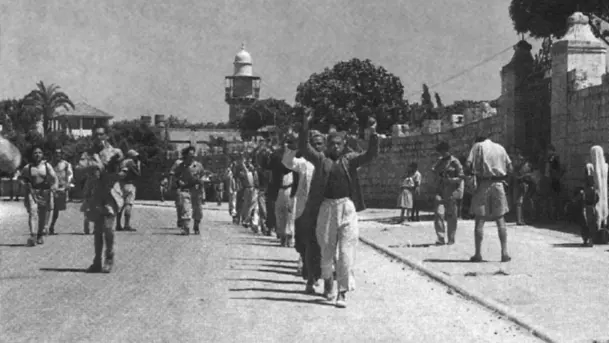
Arab prisoners of war, July 1948
UN Mediator's Proposal and Assassination
During the second truce, special UN mediator Count Folke Bernadotte proposed a new partition plan for Palestine, which placed Jerusalem as an international city under the control of the United Nations. Also in the proposal, the Negev would be divided between Jordan and Egypt and there would be a Jewish state in the Galilee region. It was provided in the plan that Palestinian refugees would be given an opportunity to return to Palestine, and Jewish immigration to the territory would be regulated by the United Nations. Just like the previous ones, both the Arabs and Israelis rejected the plan.
On September 17, 1948, the UN mediator was assassinated in Jerusalem by the militant Zionist group, Lehi (also known as the Stern Gang).
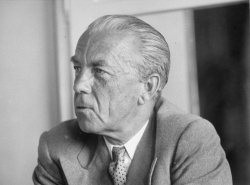
UN Mediator Count Folke Bernadotte
The group saw him as a serious threat to the emergence of Israel as an independent state. They even accused him of being a puppet to the Arabs and British.
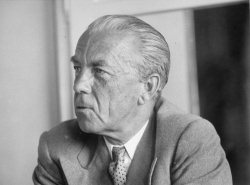
UN Mediator Count Folke Bernadotte
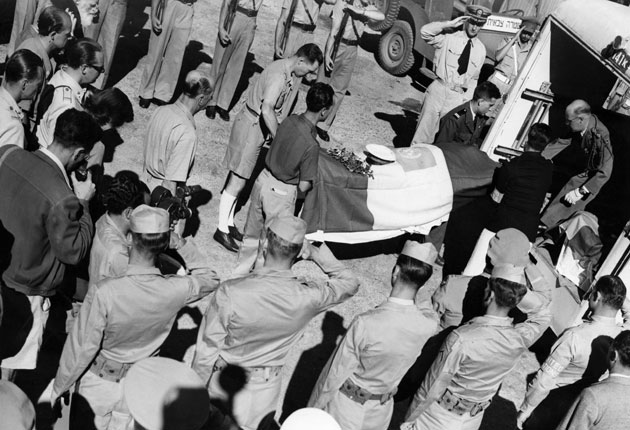
Count Bernadotte's body being carried by the soldiers
The Third and Final Phase (Oct 1948 to Mar 1949)
The final phase of the war involved Israeli forces conducting a series of military operations in an effort to drive out Arab forces__, and in an attempt to secure the borders of Israel.
**
Oct. 15, 1948 Operation Yoav
It was conducted to conquer the entire Negev. The operation was successful in driving out Egyptian forces from northern Negev, Beersheba, and Ashdod.
Oct. 19, 1948
A naval battle took place between three Israeli warships near Majdal, and an Egyptian corvette with air support. Israeli sailors were killed, 4 others wounded, and 2 ships were damaged.
Oct. 22, 1948
A third truce took place but the Arabs continued to invade and attack Israeli forces in the northern region of Palestine. They attacked Manara and ambushed Israeli forces there to gain control of the territory.
Oct. 24, 1948 Operation Hiram
The IDF launched Operation Hiram and captured the entire northern portion of Galilee, which led to the ejection of Arab forces back to Lebanon, and the ambush of the entire battalion from Syria.
The Third and Final Phase (Oct 1948 to Mar 1949)
At the end of October, the Israel Defence Forces (IDF) gained control of the entire Galilee region, had driven all Lebanese forces from Israel and occupied Lebanese villages.
November 9, 1948 Operation Shmone
It was launched by the IDF to capture the Tegart fort in Iraq. The fort was bombarded by Israeli forces before they assaulted the area. 180 Egyptian soldiers surrendered without a fight after the Israeli forces attacked the outer wall of the fort. The former were forced to evacuate their nearby positions.
December 5-7, 1948 Operation Assaf
It was conducted in an attempt to take control of Western Negev. The main assaults were spearheaded by mechanised forces, while Golani Brigade infantry covered the rear. An Egyptian counterattack was fought back.
December 22, 1948 Operation Horev/Ayin
The IDF drove the remaining Egyptian forces out of Israel with Operation Horev (also called Ayin). The goal was to secure the entire Negev from Egyptian presence, destroying the threat on Israel's southern communities and forcing the Egyptians into a ceasefire.
The Third and Final Phase (October 1948 to March 1949)
January 7, 1949
A truce was achieved. Israeli forces withdrew from Sinai and Gaza under international pressure.
March 5, 1949 Operation Uvda
Operation Uvda was launched with the IDF capturing the southern Negev from Arab forces.
March 10, 1949
Israelis reached Umm Rashrash on the Red Sea and took it without a battle. The Negev Brigade and Golani Brigade took part in the operation. They raised a hand-made flag ("The Ink Flag") and claimed Umm Rashrash for Israel.
The United Nations Resolution 194
The United Nations General Assembly passed Resolution 194 in December 1948. The resolution created the United Nations Conciliation Commission. Also, provisions were made in terms of defining a final settlement and the return of Palestine refugees.
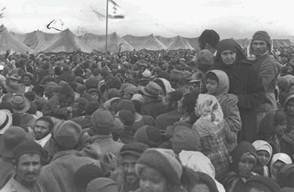
Jewish refugees from Arab countries
Article 11 of the UN Resolution 194 reads:
"...refugees wishing to return to their homes and live at peace with their neighbours should be permitted to do so at the earliest practicable date, and that compensation should be paid for the property of those choosing not to return and for loss of or damage to property which, under principles of international law or equity, should be made good by the Governments or authorities responsible."
The resolution was passed with 35 in favour, 15 against, and 8 abstain.
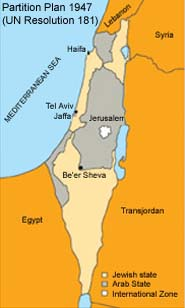
The UN Palestine Partition Plan (Resolution 181)
Note
Glossary of terms
ANTI-SEMITISM
Hostility, prejudice, or discrimination against the Jewish people.
ZIONIST MOVEMENT
A Jewish nationalist movement that supported the establishment of a new Jewish state in the land of Israel.
PALESTINE
A region located near the Mediterranean Sea that includes the modern-day Israel, the West Bank, and the Gaza Strip.
MANDATE SYSTEM
It is a way to use the mandated power to govern non-self-governing territories temporarily.
ARMISTICE
A formal agreement between parties that have been engaging in a war to end active hostilities, or to stop fighting.