The Catholic challenge at home (Edexcel GCSE History): Revision Notes
📚Revision Notes
The Catholic challenge at home

The Catholic Church posed a significant domestic threat to Elizabeth I's Protestant rule. This challenge emerged from the Catholic Church's organised response to the spread of Protestantism across Europe and created serious concerns about rebellion within England itself.
Note
The Catholic threat to Elizabeth was both religious and political, stemming from the broader European conflict between Catholicism and Protestantism that had been raging since 1517.
The Counter-Reformation
The Catholic Church launched a determined campaign to reverse the Protestant Reformation that had swept through Europe since 1517. This movement, known as the Counter-Reformation, aimed to restore Catholic authority and halt the spread of Protestant beliefs.
In 1566, the Pope issued a crucial instruction that directly challenged Elizabeth's authority. English Catholics were commanded not to attend Church of England services, creating a direct conflict between religious loyalty and royal authority. This papal decree effectively encouraged English Catholics to resist Elizabeth's religious settlement.
Important
The Counter-Reformation treated Protestant beliefs as heresy - the denial of Catholic Church teachings. The Catholic Church dealt harshly with those it considered heretics, often executing them for their beliefs. This created an atmosphere of religious hostility that would have serious implications for England.
The nature of the Catholic threat
The Counter-Reformation created a clear pathway to rebellion against Elizabeth's rule. Several factors combined to make this threat particularly dangerous:
The Catholic Church's aggressive stance towards Protestantism naturally led to increased hostility from English Catholics. When the Pope instructed Catholics to avoid Church of England services, it provided them with a powerful religious justification for opposing Elizabeth's government. This religious motivation made the threat more serious than simple political opposition.
The situation was further complicated by the presence of many Catholic recusants throughout England. These individuals continued to practice Catholicism in secret, despite the official Protestant settlement. Elizabeth initially tolerated these secret Catholics because she feared that harsh persecution might create religious martyrs and potentially spark a full-scale Catholic rebellion.
Note
Elizabeth's relatively tolerant approach towards Catholic recusants was a calculated political strategy. She understood that creating martyrs through persecution could unite Catholic opposition and potentially trigger the very rebellion she sought to avoid.
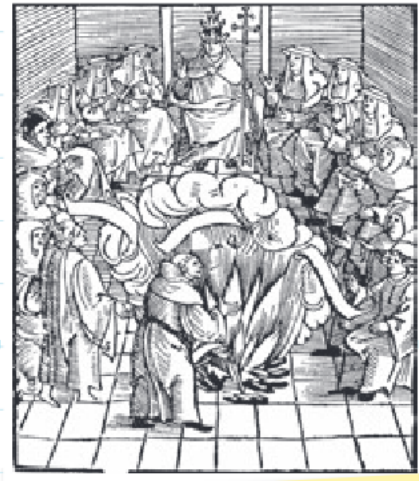
The extent of the Catholic threat
The scale of Catholic opposition was substantial and concerning for Elizabeth's government. Approximately one-third of the English nobility remained Catholic, along with many smaller landowners, particularly in the northern and northwestern regions of England.
The Catholic nobility presented a particular challenge because they came from traditionally powerful families that had prospered during Mary I's Catholic restoration. Families such as the Nevilles and the Percys felt their influence declining under Elizabeth's Protestant rule. They resented the growing power of Elizabeth's Protestant favourites, including William Cecil and Robert Dudley, whom they viewed as ambitious newcomers seeking to advance their own positions at court.
Important
The northern nobility were especially significant because they had always maintained considerable independence from royal control. Their strong Catholic beliefs, combined with their traditional autonomy, positioned them perfectly to lead resistance against Elizabeth. This regional concentration of Catholic opposition created the ideal conditions for organised rebellion.
The papal instruction of 1566 transformed this underlying discontent into active resistance. By providing Catholics with a religious duty to oppose the Church of England, the Pope effectively gave them divine authorisation to rebel against Elizabeth's authority.
Timeline of key events
1534 - Act of Supremacy establishes the monarch, not the Pope, as head of the English Church
1517 - Protestant Reformation begins under Martin Luther
1553-58 - Catholicism restored under Mary I
1545-63 - Council of Trent leads the Counter-Reformation's determination to reverse Protestant gains in Europe and England
1559 - Elizabeth's religious settlement established
1566 - Pope instructs English Catholics not to attend Church of England services
1569-70 - Revolt of the Northern Earls demonstrates the real threat posed by Catholic opposition
Summary
Key Points to Remember:
- The Counter-Reformation was the Catholic Church's organised attempt to reverse Protestant gains across Europe
- The Pope's 1566 instruction created a direct conflict between religious duty and loyalty to Elizabeth
- About one-third of English nobility remained Catholic, especially in the north
- Catholic recusants practised their faith in secret, creating a hidden opposition network
- The combination of religious motivation and noble power made the Catholic threat particularly dangerous, leading to the Northern Earls' rebellion in 1569-70