The loosening Soviet grip on Eastern Europe (Edexcel GCSE History): Revision Notes
📚Revision Notes
The loosening Soviet grip on Eastern Europe
Introduction
The late 1980s marked a dramatic turning point in Soviet-Eastern European relations. Mikhail Gorbachev's reform policies, originally designed to improve the Soviet system, had unexpected consequences that spread far beyond the USSR's borders. Rather than strengthening communist control, these changes actually encouraged Eastern European countries to seek greater independence, ultimately leading to the collapse of Soviet influence across the region.
The shift from the Brezhnev Doctrine
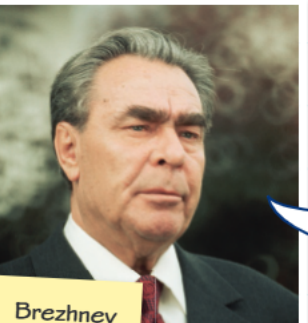
The transformation began with a fundamental change in Soviet policy towards Eastern Europe. Under Leonid Brezhnev, the Soviet Union had maintained strict control over its satellite states through what became known as the Brezhnev Doctrine. This policy stated that whenever any Eastern European country showed signs of moving away from communism towards capitalism, the Soviet Union and other Warsaw Pact members would intervene to force them back to communist rule.
Important
Revolutionary Policy Shift
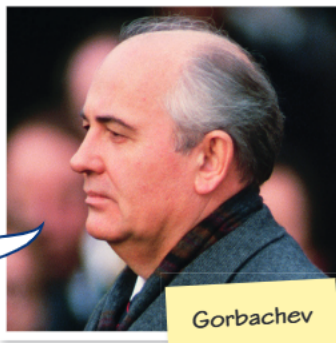
Gorbachev completely reversed this approach. His new policy declared that Eastern bloc countries should have the freedom to govern themselves as they wished, and critically, the Soviet Union would not interfere with their choices. This represented a revolutionary shift that would have profound consequences across Eastern Europe.
Why Gorbachev abandoned the Brezhnev Doctrine
Gorbachev's decision to scrap the Brezhnev Doctrine was driven by several compelling factors that made the old system unsustainable:
Note
Five Key Reasons for Policy Change
Improving Eastern European conditions: Gorbachev believed that allowing greater openness and freedom would actually make Eastern bloc countries more stable and prosperous, rather than causing them to abandon communism entirely.
Limited communist planning: Many Eastern European communist governments had become stagnant and were only making minimal efforts at reform. Gorbachev recognised that forced compliance was not producing effective governance.
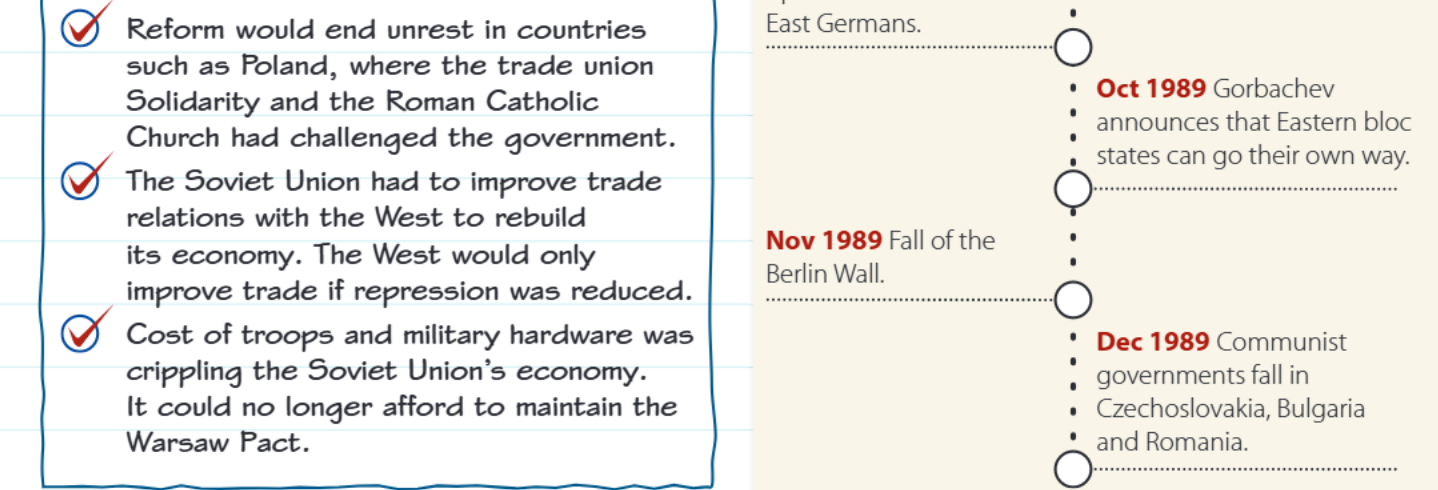
Ending civil unrest: Countries like Poland were experiencing significant internal challenges, with the Solidarity trade union and the influential Roman Catholic Church actively opposing communist rule. Military intervention to suppress these movements was becoming increasingly difficult and costly.
Rebuilding economic relationships: The Soviet economy desperately needed improved trade relations with Western nations. However, the West would only consider better economic ties if the USSR reduced its oppressive policies towards Eastern Europe.
Unsustainable military costs: Perhaps most importantly, the enormous expense of maintaining troops and military equipment across Eastern Europe was crippling the Soviet economy. The Warsaw Pact had become a financial burden that the USSR could no longer afford to sustain.
Timeline of the collapse (1988-1989)
The dismantling of Soviet control happened with remarkable speed once Gorbachev announced his policy changes:
December 1988: Gorbachev made his historic announcement that ideology would play a much smaller role in Soviet foreign policy decisions. This declaration effectively meant that Soviet troops would no longer intervene in Eastern European affairs to prop up communist governments.
August 1989: Hungary took the bold step of opening its borders to East German citizens, allowing them to travel freely to the West. This decision created the first major crack in the Iron Curtain.
October 1989: Building on his earlier statements, Gorbachev formally announced that Eastern bloc nations were free to determine their own political paths without Soviet interference.
November 1989: The most symbolic moment came with the fall of the Berlin Wall, as East German authorities could no longer maintain the barrier that had divided the city since 1961.
December 1989: The domino effect accelerated rapidly, with communist governments collapsing in quick succession across Czechoslovakia, Bulgaria, and Romania. Notably, while most transitions were peaceful, the Romanian revolution involved significant violence before the communist regime fell.
The breakup of the Eastern bloc
Gorbachev's December 1988 announcement about reducing ideology's role in foreign affairs proved to be the catalyst for transforming Eastern Europe. By declaring that Soviet troops would no longer intervene to support communist governments, he effectively removed the main prop that had kept these regimes in power.
The impact was immediate and dramatic. Communist governments across Eastern Europe found themselves weakened and vulnerable without Soviet military backing. The wave of revolutions that swept through the region between 1989 and 1990 represented one of the most rapid political transformations in modern history.
Note
What made this transformation particularly significant was its largely peaceful nature. Unlike previous uprisings in Eastern Europe that had been brutally suppressed by Soviet intervention, these revolutions succeeded because the USSR no longer had the will or resources to maintain control through force.
By the end of 1990, all the former Eastern bloc countries had established non-communist governments. This marked the complete end of Soviet political control over Eastern Europe and represented a crucial step towards the ultimate collapse of the Soviet Union itself.
Summary
Key Points to Remember:
-
Policy reversal: Gorbachev completely abandoned the Brezhnev Doctrine, choosing non-intervention over military control of Eastern Europe
-
Economic necessity: The crushing cost of maintaining the Warsaw Pact and military presence across Eastern Europe forced the Soviet Union to change course
-
Rapid collapse: Once Soviet protection was withdrawn in December 1988, communist governments across Eastern Europe fell within just one year (1989)
-
Peaceful transition: Most Eastern European countries achieved independence through largely peaceful revolutions, unlike previous failed uprisings
-
Domino effect: The fall of the Berlin Wall in November 1989 symbolised the broader collapse of communist control across the entire region