Church opposition (Edexcel GCSE History): Revision Notes
📚Revision Notes
Church opposition during Nazi dictatorship, 1933-39
Introduction
The extent of support for the Nazi regime varied significantly between different groups and individuals in German society. While Hitler attempted to suppress opposition from religious institutions, many Catholic priests and Protestant ministers courageously preached against Nazi policies, despite facing severe consequences for their actions.
Note
The relationship between churches and the Nazi regime was complex and varied significantly among different religious leaders and communities. Some initially supported Nazi policies, while others opposed them from the beginning.
Pastor Martin Niemöller: A complex figure
Martin Niemöller emerged as one of the most significant church opponents of Hitler, though his relationship with the Nazi regime was initially complicated.
Niemöller's early pro-Nazi phase
Initially, Niemöller supported the Nazi movement for several key reasons:
- He voted for the Nazi Party in both the 1924 and 1933 elections
- He believed Germany needed strong leadership after the instability of the Weimar Republic
- He did not oppose early Nazi restrictions targeting Jewish people
- He even expressed willingness to be released from prison to fight alongside the Nazis in the Second World War
Important
Niemöller's initial support for the Nazi Party demonstrates how even future opponents could initially be drawn to Nazi promises of stability and strong leadership. This complexity helps us understand how the Nazi regime gained widespread support in its early years.
Niemöller's growing opposition
However, Niemöller's attitude changed as Nazi interference in religious matters increased:
- He strongly objected to Nazi attempts to control the Protestant Church
- He opposed Nazi restrictions on Jewish people who had converted to Christianity
- In 1934, he established the Confessing Church as an alternative to the Nazi-influenced German Christian Church
- Between 1934 and 1937, he was repeatedly arrested for speaking out against Nazi policies
- In 1938, he was sent to a concentration camp where he remained imprisoned until 1945
The scale of religious opposition
The extent of religious resistance to Nazi policies was more significant than many realise, though it came at an enormous personal cost to those involved.
Protestant resistance
The Confessing Church, founded by Niemöller, represented a significant form of Protestant opposition:
- Approximately 6,000 Protestant pastors joined the Confessing Church as a protest against Nazi policies
- Only 2,000 pastors remained in the Nazi-influenced German Christian Church
- Around 800 pastors were arrested and sent to concentration camps for their opposition activities
Note
The fact that 6,000 pastors joined the Confessing Church while only 2,000 remained with the Nazi-influenced German Christian Church shows that the majority of Protestant clergy opposed Nazi interference in religious matters.
Catholic resistance
Catholic opposition also faced severe repression:
- About 400 Catholic priests spoke out against Nazi policies
- These brave individuals were arrested and imprisoned in the notorious Priests' Block at Dachau concentration camp
Niemöller's famous sermon
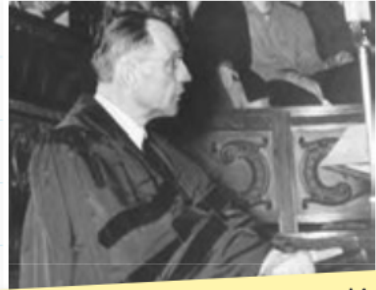
Niemöller delivered a powerful sermon that highlighted the dangers of remaining silent in the face of persecution. His words serve as a reminder of the importance of speaking out against injustice:
Example
Historical Document: Niemöller's Warning
"First they came for the Communists, and I did not speak out because I was not a Communist. Then they came for the Trade Unionists, and I did not speak out because I was not a Trade Unionist. Then they came for the Jews, and I did not speak out because I was not a Jew. Then they came for me and there was no one left to speak for me."
This sermon emphasised to church leaders the critical importance of opposing Nazi policies before it was too late.
Assessing the extent of opposition
Opposition to the Nazi regime by church leaders proved extremely dangerous, making open resistance difficult and risky. Despite the Nazis' systematic attempts to control religious institutions, several important facts demonstrate the persistence of faith-based resistance:
- Christian church attendance remained consistently high throughout the Nazi period
- Thousands of religious leaders risked their lives and freedom to oppose Nazi policies
- The establishment of the Confessing Church created an organised form of religious resistance
Important
This opposition faced severe limitations due to the constant threat of arrest, imprisonment, and deportation to concentration camps. The courage required to oppose the Nazi regime publicly cannot be understated - it often meant risking one's life, freedom, and family's safety.
Timeline of key events
- 1924 & 1933: Niemöller votes for the Nazi Party
- 1934: Niemöller establishes the Confessing Church
- 1934-1937: Niemöller repeatedly arrested for anti-Nazi activities
- 1938: Niemöller sent to concentration camp
- 1945: Niemöller finally released from imprisonment
Summary
Key Points to Remember:
- Religious opposition existed but was extremely dangerous - thousands of pastors and priests risked their lives to oppose Nazi policies
- Martin Niemöller's journey shows the complexity of the period - he initially supported the Nazis but became one of their most vocal religious opponents
- The Confessing Church represented organised Protestant resistance - 6,000 pastors joined this alternative church in 1934
- Severe punishments awaited those who spoke out - around 800 Protestant pastors and 400 Catholic priests were imprisoned in concentration camps
- Niemöller's famous sermon remains a powerful warning about the dangers of remaining silent when others are persecuted