Communicable (Infectious) Diseases (OCR GCSE Biology A, Combined (Gateway Science Suite)): Revision Notes
📚Revision Notes
3.1.1 Communicable (Infectious) Diseases
Note
Pathogens, which include viruses, bacteria, protists and fungi, are microorganisms that cause infectious disease. They can infect plants or animals, spreading through either direct contact, by water or by air.
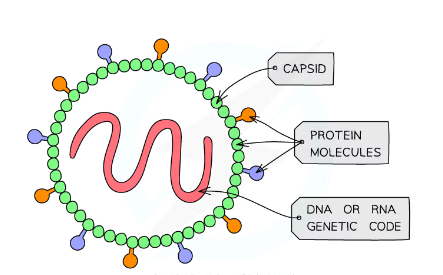
- Viruses
-
Very small They move into cells and use the biochemistry of it to make many copies of itself
-
This leads to the cell bursting and releasing all of the copies into the bloodstream
-
The damage and the destruction of the cells makes the individual feel ill
- Bacteria
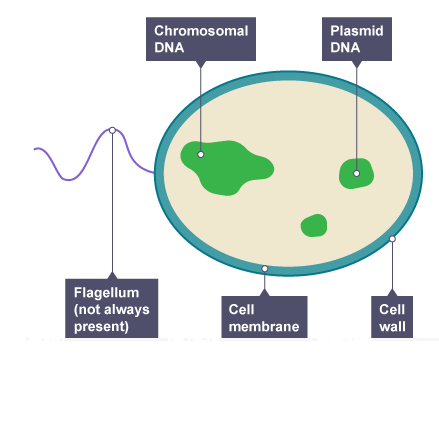
- Small
- They multiply very quickly through dividing by a process called binary fission
- They produce toxins that can damage cells
- Protists
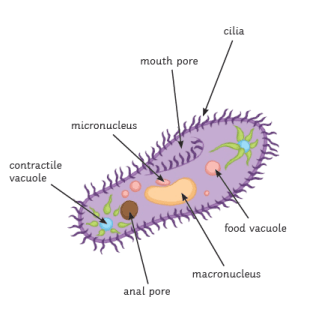
- Some are parasitic, meaning they use humans and animals as their hosts (live on and inside, causing damage)
- Fungi
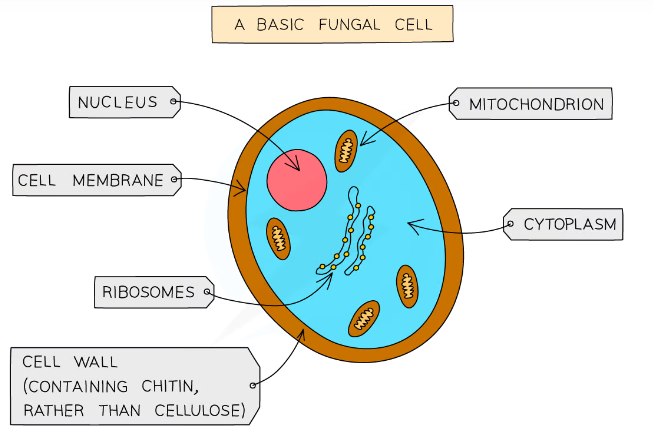
- They can either be single celled or have a body made of hyphae (thread-like structures)
- They can produce spores which can be spread to other organisms
The ways they are spread:
-
Direct contact- touching contaminated surfaces Examples: kissing, contact with bodily fluids, direct skin to skin, microorganisms from faeces, infected plant material left in field
-
By water- drinking or coming into contact with dirty water
-
By air- pathogens can be carried in the air and then breathed in (a common example is the droplet infection, which is when sneezing, coughing or talking expels pathogens in droplets which can be breathed in) The damage that disease causes to populations can be reduced by limiting the spread of the pathogens.
-
Improving hygiene: Hand washing, using disinfectants, isolating raw meat, using tissues and handkerchiefs when sneezing
-
Reducing contact with infected individuals
-
Removing vectors: Using pesticides or insecticides and removing their habitat
-
Vaccination: By injecting a small amount of a harmless pathogen into an individual's body, they can become immune to it so it will not infect them. This means they cannot pass it on.