Rate of Photosynthesis (OCR GCSE Biology A (Gateway Science Suite)): Revision Notes
📚Revision Notes
4.1.2 Rate of Photosynthesis
Note
The rate of photosynthesis in plants is influenced by several key factors, each of which can either enhance or limit the process depending on the conditions. Understanding these factors is crucial for optimising plant growth, especially in agricultural settings.
Factors Affecting the Rate of Photosynthesis:
| Factor | Effect on Photosynthesis |
|---|---|
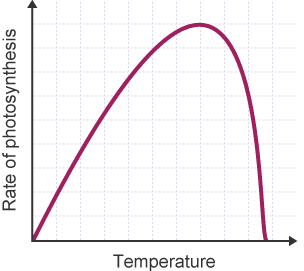
| Temperature | The rate of photosynthesis increases as the temperature rises, up to an optimal point. Since the process is enzyme-controlled, increasing temperature speeds up the reaction. However, if the temperature exceeds a certain threshold, the enzymes start to denature, leading to a decline in the rate of photosynthesis. |
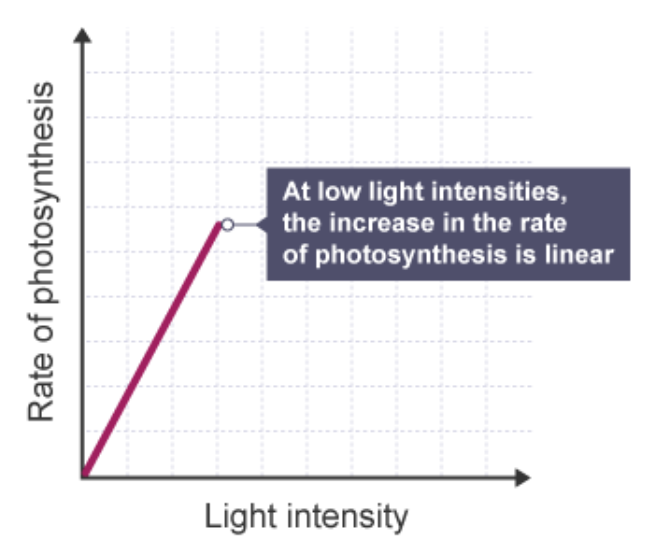
| Light Intensity | For most plants, the higher the light intensity, the faster the rate of photosynthesis, as more light energy is available to drive the reaction. However, beyond a certain point, increasing light intensity further does not increase the rate, as other factors become limiting. |
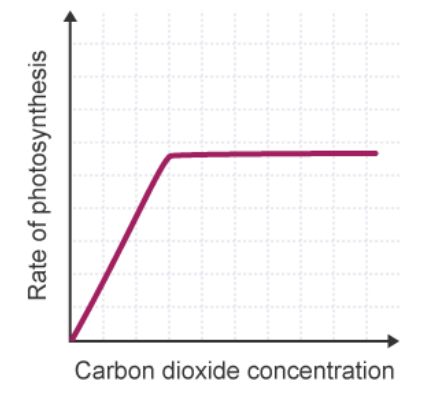
| Carbon Dioxide Concentration | Carbon dioxide is a key reactant in photosynthesis. As its concentration increases, the rate of photosynthesis also increases, until the plant reaches a maximum rate at which other factors become limiting. |
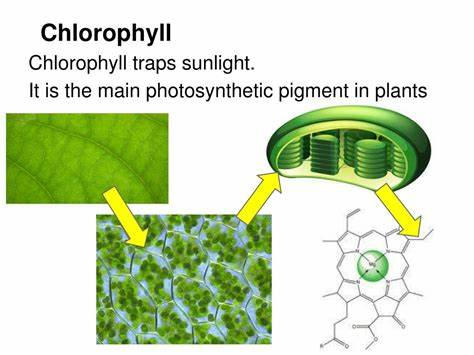
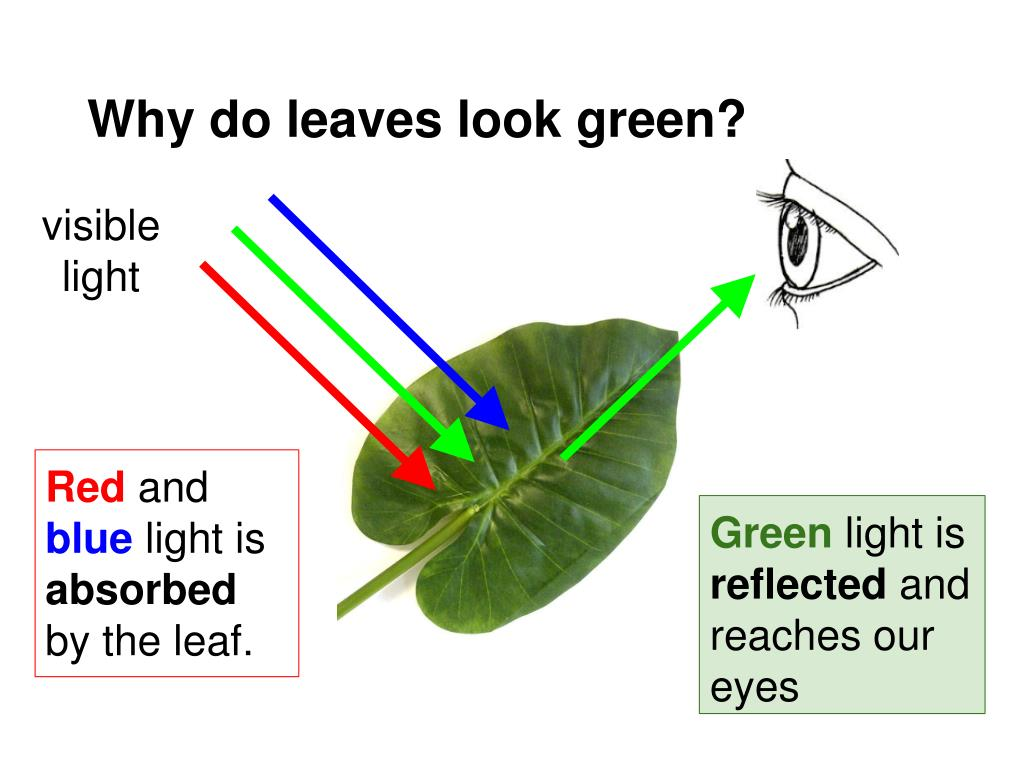
| Amount of Chlorophyll | Chlorophyll is the pigment in leaves that captures light energy. If the chlorophyll levels are reduced, such as by a magnesium deficiency, the plant's ability to photosynthesise is impaired, leading to a decreased rate of photosynthesis. |
Measuring the Rate of Photosynthesis:
Note
One common method to measure the rate of photosynthesis is by observing oxygen production in aquatic plants such as pondweed.
- Experimental Setup:
- Place pondweed in a test tube filled with water and seal the top with a bung.
- Attach a capillary tube containing water to the test tube, which is connected to a syringe.
- Position a lamp at a measured distance from the test tube.
- Observing Photosynthesis:
- As the plant photosynthesises, oxygen is produced, creating a gas bubble in the capillary tube.
- Measure the distance the bubble travels using a ruler, which corresponds to the volume of oxygen produced.
- Varying Conditions:
- Change variables such as temperature (using a water bath), light intensity (by adjusting the distance of the lamp), and the duration of the experiment to observe their effects on photosynthesis.
- Ensure that only the independent variable (the one being tested) is changed, while all other factors are controlled, to maintain the validity of the experiment.