UK Coast: The Dorset Coast - Case Study (OCR GCSE Geography A (Geographical Themes)): Revision Notes
📚Revision Notes
3.2.4 UK Coast: The Dorset Coast - Case Study
Note
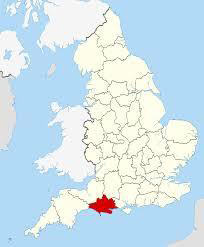
The Dorset Coast is made from bands of hard rock (limestone and chalk) and soft rock (clay). Rocks have been eroded at different rates, giving headlands and bays and other coastal features.
📝Examples of Coastal Features
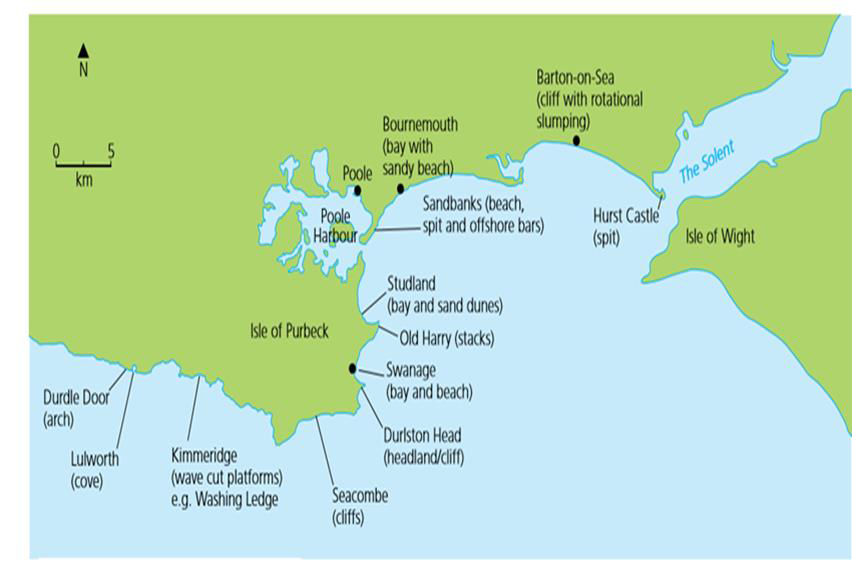
Coastal Features
Durdle Door
- A great example of an arch.
- Erosion by the waves opened up a crack in the limestone headland, which became a cave and then developed into an arch.
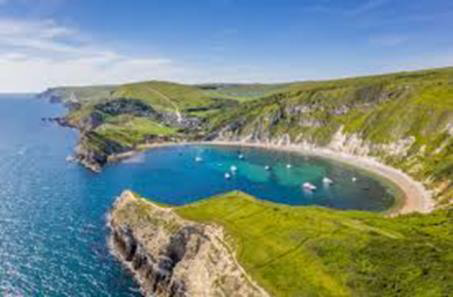
Lulworth Cove
- A small bay formed after a gap was eroded through a band of limestone.
- Behind the limestone is a band of clay, which has been eroded away to form the bay.
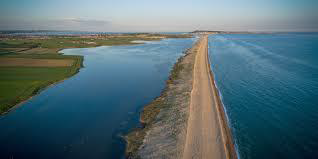
Chesil Beach
- A tombolo (a type of spit) formed by longshore drift.
- Joins the Isle of Portland to the mainland.
- Behind Chesil Beach is a shallow lagoon called the Fleet Lagoon.
Swanage Bay
- Two bays with beaches called Swanage Bay and Studland Bay.
- Areas of softer rock.
- Between them is a headland called The Foreland, made of harder rock (chalk).
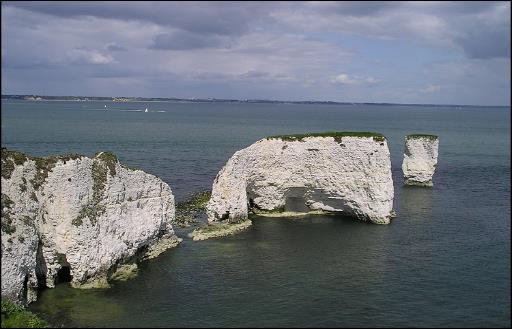
- The end of the headland has been eroded to become a stack called Old Harry and a stump called Old Harry's Wife.