Economic Development in the UK (OCR GCSE Geography A (Geographical Themes)): Revision Notes
📚Revision Notes
5.1.8 Economic Development in the UK
Economic Development in the UK: CHANGING RURAL LANDSCAPES
Overview:
- Industrial changes in the UK have significantly impacted rural areas.
- Some rural locations are experiencing fast growth and economic growth (Economic), but at the expense of local communities (Social) and natural habitats (Environmental).
- Other areas are declining in terms of working population and the affordability of providing services to remote areas.
A Rural Area Experiencing a Boom:
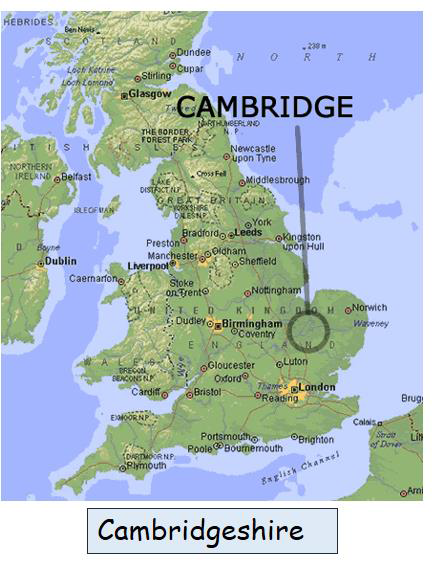
South Cambridgeshire:
- Migration and Employment:
- Large numbers of highly skilled and educated people moving in due to Cambridge University and proximity to London.
- High level of employment.
- 21% of the workforce employed in high-tech industries (computer software, engineering manufacturing).
- Population Growth:
- Migration increased by 25%.
- Population expected to grow by 50,000 in the next 10 years.
- Housing and Traffic:
- Population rise led to house price increases.
- Average house price is £500,000, twice the UK average.
- 80% of people commute by car, increasing road traffic.
A Rural Area Experiencing a Decline:
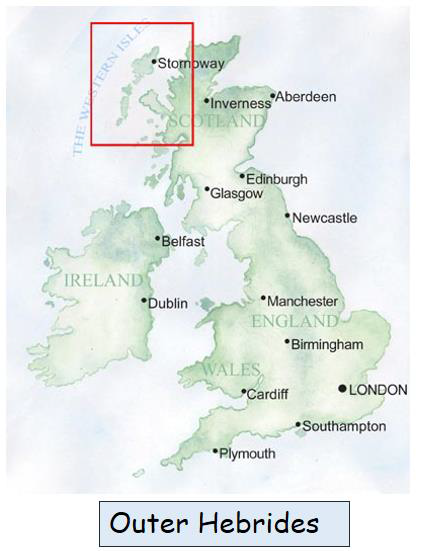
Outer Hebrides:
- Population Decline:
- Population declined by 50% since 1900.
- Outward Migration:
- Limited opportunities led younger people to move away for better employment.
- Left behind an ageing population.
- Economic and Social Issues:
- High unemployment.
- Few shops, schools, and services; many are closed.
- Infrastructure:
- Lacks high-speed internet, discouraging new residents.
Economic Development in the UK: ENVIRONMENTAL IMPACTS
How has the UK Car Industry impacted the environment?
- Energy-Intensive Business:
- Car manufacturing is energy-intensive, consuming as much energy in production as the car will in its lifetime.
- Fuel Dependency:
- Majority of UK cars run on petrol or diesel.
- Oil extraction is a dirty process causing environmental problems 📝(e.g., oil spills in Brazil).
- Non-Biodegradable Components:
- Cars contain many non-biodegradable components.
- Leakage from parts like batteries can cause contamination.
- CO2 Emissions:
- Cars account for 20% of the UK's CO2 emissions, making them the second-largest producer of CO2 emissions.
- Health Impact:
- Car emissions cause air pollution, leading to illnesses like lung cancer and diabetes.
- Resource Usage:
- Car manufacturing uses many resources, creating a large carbon footprint due to transportation.
How can we make the Car Industry more Sustainable?
Electric Cars:
- Jaguar Land Rover (JLR):
- Announced first electric car in 2019.
- All electric vehicles will be built in the Midlands (UK).
- Every model produced has an electronic option.
- Batteries will also be made in the Midlands, reducing the carbon footprint.

Sustainable Factories:
- JLR Engine Manufacturing Centre:
- £900m sustainable factory employing 1400 staff.
- Features include:
- North Skylights:
- Provide daylight, reducing need for electric lighting by 25%.
- Water Recycling:
- Extensive grey water recycling, reducing treated water consumption by 30%.
- Solar Panels:
- 21,000 panels providing 30% of factory's electricity.
- Waste Management:
- Segregated waste reduces landfill by 37%.
- Landscaped Design:
- Improves environmental impact by reducing flood risk.
Economic Development in the UK: LINKS TO THE WIDER WORLD
The UK has formed strong links with other countries as it has developed:
Trade:
-
Trades globally with strong links to the USA, Europe, and Asia.
-
Exports worth £250 billion per year. Transport:
-
Channel Tunnel links to UK to France by rail, providing a route for goods and people to travel to mainland Europe.
-
Large airports like Heathrow act as hubs and provide transport links to hundreds of countries worldwide. Security:
-
Highly influential member of international organisations such as the UN, G8, and G20. Commonwealth Founder:
-
The Commonwealth is a group of 50 countries aimed at improving well-being and economic development.
-
Meets every 2 years to discuss human rights and economic development. Language:
-
Global importance of English provides strong cultural links. Culture:
-
UK literature, music, cinema, sport, television, history, and architecture are important globally.
-
UK sports showcased through events like the Olympics, World Cup, Wimbledon, and Premier League. Communications:
-
Linked to the rest of the world via the internet.
-
Subsea internet cables provide fast global connections.
Improving the UK's Transport Network
Improving Air Travel:
- New runway proposed for Heathrow.
- Development expected to generate £147 billion over 60 years and 70,000 new jobs by 2050.
- Flights to 40 new destinations.
- Estimated cost: £18.6 billion.
Improving Ports:
- New port called London Gateway at the mouth of the River Thames.
- Capable of handling the world's largest container ships.
Improving Rail:
- High Speed (HS1):
- Fast train link between London and Paris.
- HS2:
- Planned fast train link between London and Birmingham.
- Estimated completion by 2026 with a cost of at least £43 billion.
Improving Roads:
- Government announced £15 billion investment in improving and expanding UK roads in December 2014.
- Includes building smart motorways that use technology to manage congestion.