Development of Hot Deserts: Thar Desert - Case Study (OCR GCSE Geography A (Geographical Themes)): Revision Notes
📚Revision Notes
2.3.3 Development of Hot Deserts: Thar Desert - Case Study
Note
The Thar is the most densely populated desert in the world. It stretches across northwest India and into Pakistan. Covers around 200,000 km². Offers opportunities for economic development.
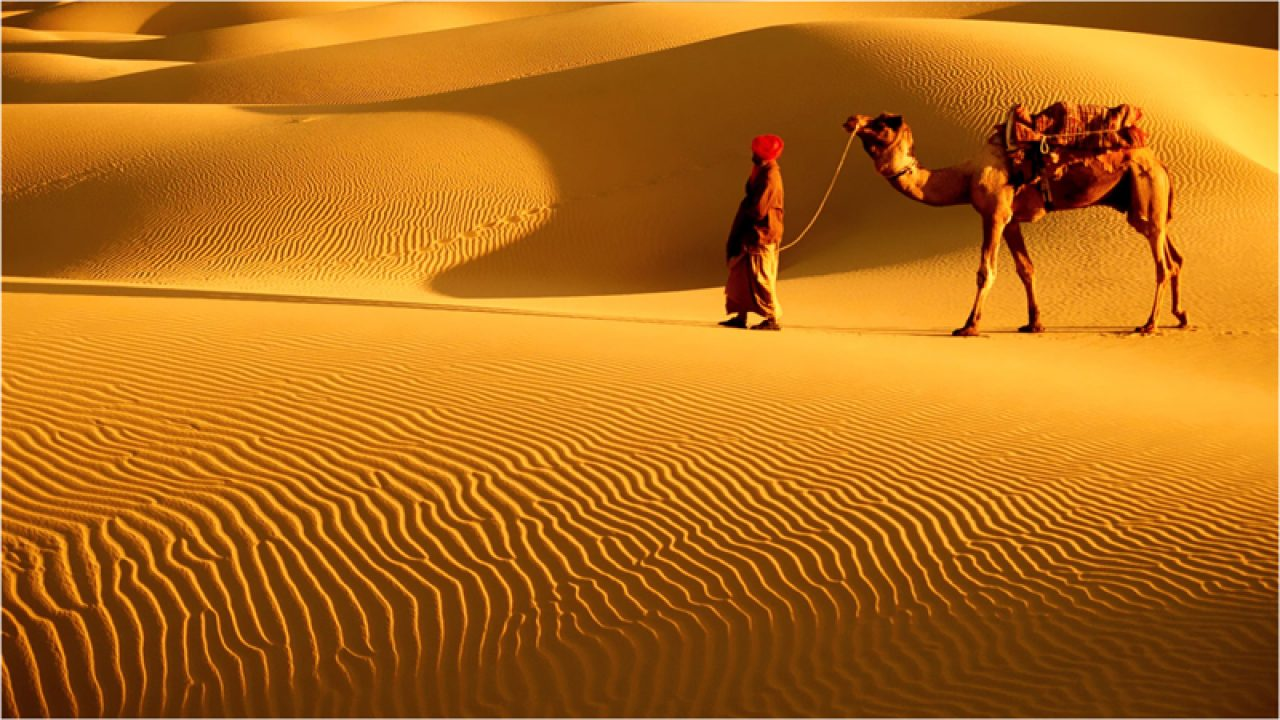
Development Opportunities in the Thar
Mineral Extraction
- Phosphorite for fertilisers.
- Gypsum for cement and plaster.
- Kaolin used in making paper.
- Provides jobs for local people.
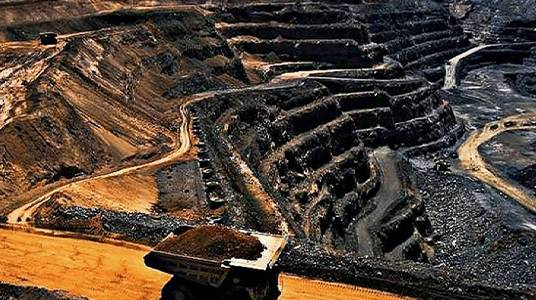
Mineral Extraction
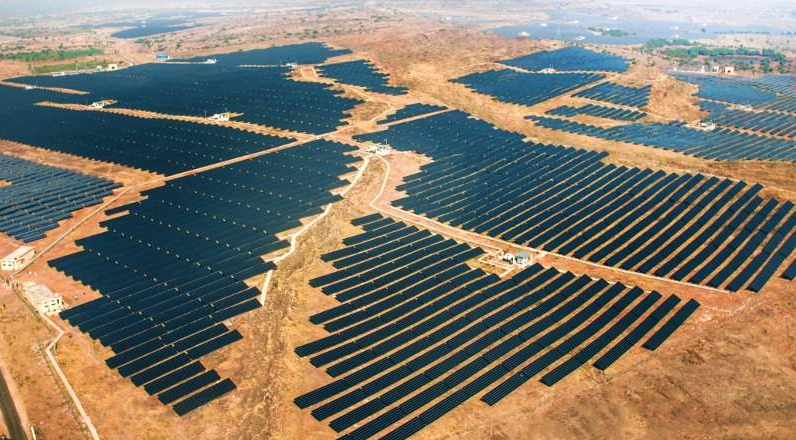
Energy
Energy
-
Large oil field near Barmer.
-
Huge solar power potential due to long hours of sunshine.
-
India's third-largest wind farm at Jaisalmer. Farming
-
Mostly subsistence farming involving grazing animals and growing crops.
-
The Indira Gandhi Canal enables commercial farming to thrive by providing irrigation.
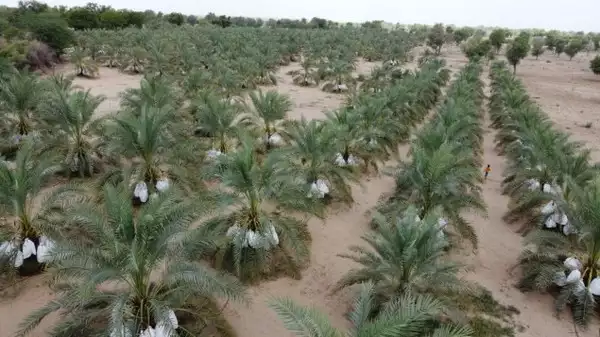
Farming
Tourism
Tourism
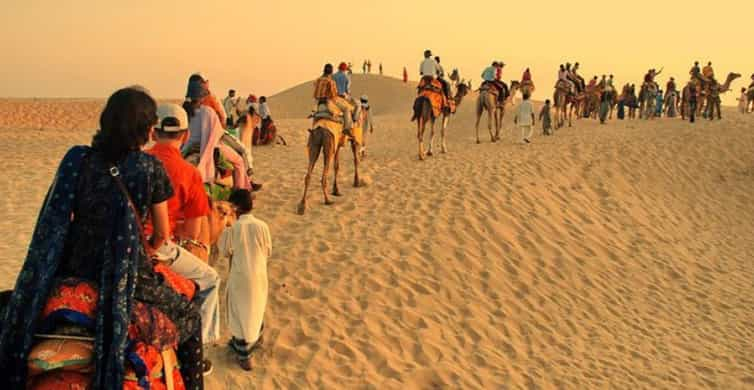
- Several companies offer desert safaris and visits to Jaisalmer.
- Ecotourism is popular with small groups taking camel treks into the wilderness areas and oasis.
Challenges to Development
- Most people live in small fertile areas, where water from a spring or well is used to irrigate the ground so that crops, e.g. maize can be grown. Others are nomadic, constantly searching for fresh grazing for their herds of goats, sheep and camels.
- Development in the Thar Deserts is challenging- trying to locate and exploit resources in the hot, dry, remote desert:
Extreme Temperatures
- Daily Temperature Variations
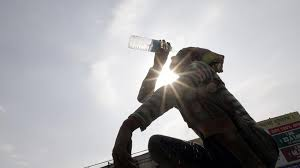
- Lack of cloud cover causes daily temperatures to range from over 40°C during the day to below freezing at night.
- Exposure to high temperatures can cause illness or death, and healthcare may be far away.
- Tourism Impact
- Hot season often too hot for tourists, making employment in the tourism industry seasonal.
- Working Conditions
- Working outside is very hard, especially for farmers who must work during the day.
- Evaporation and Water Shortages
- High temperatures lead to high rates of evaporation and water shortages.
Inaccessibility
- Size and Distance
- The Thar Desert is huge; people and materials have to travel long distances, often by air, which is expensive.
- Infrastructure
- Limited road network due to vast distances and high maintenance costs.
- Environmental Impact
- Sand can blow onto roads and tarmac can melt in the extreme heat.
- Many resort to traditional camels.
- Service Provision
- Difficult to provide services such as medical care to remote regions, making development hard.
Water Supply
- Rainfall
- Very low annual rainfall with high rates of evaporation, making securing water supply crucial for economic development.
- Traditional Methods
- Traditional water is stored in natural ponds called tobas, used by farmers in remote areas.
- River Usage
- Most rivers are erratic, but settlements tend to cluster along their edges.
- Climate change could make river flow less reliable.
- Indira Gandhi Canal
- Has transformed the desert, providing drinking water and irrigation.