Urban Growth in LICs & NEEs - Rio De Janiero, Brazil - Case Study (OCR GCSE Geography A (Geographical Themes)): Revision Notes
📚Revision Notes
4.1.2 Urban Growth in LICs & NEEs - Rio De Janiero, Brazil - Case Study
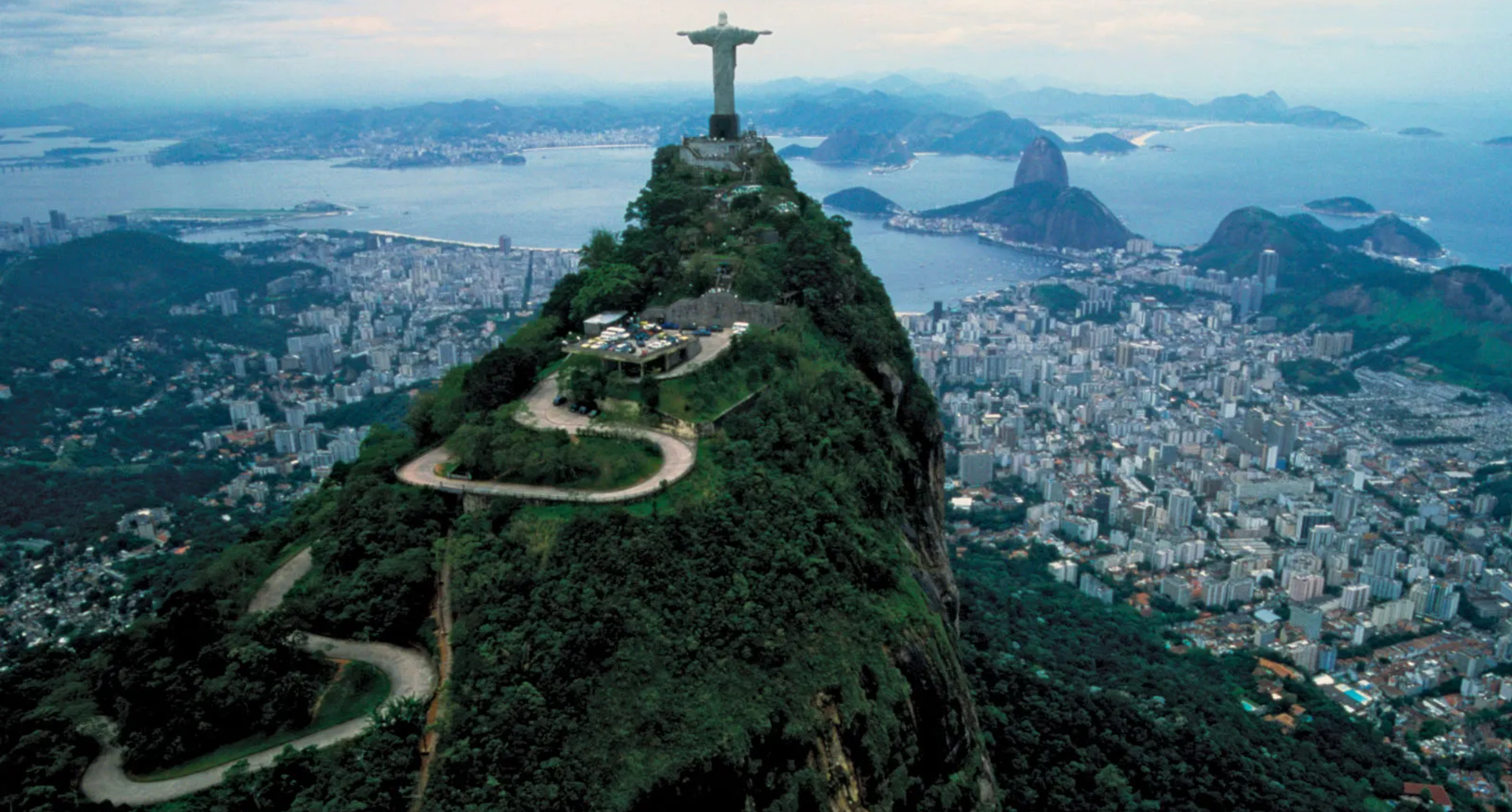
Rio de Janeiro
Location
Rio:
- Coastal city situated in the South East region of Brazil within the continent of South America.
- Second most populated city in the country (6.5 million) after Sao Paulo.
Why is Rio Important?
- Regional Importance:
- Second largest GDP in Brazil.
- National Importance:
- Home to headquarters of many of Brazil's main companies, particularly banking.
- Wealthiest Brazilian city, adds 7% to Brazil's economy.
- International Importance:
- Hosted the 2014 World Cup and 2016 Summer Olympics.
- Sugar Loaf Mountain is one of the Seven Wonders of the World and attracts tourists.
Social Opportunities
Better access to services and resources than rural Brazil:
- More healthcare centres and hospitals.
- More reliable wages than farming in rural Brazil.
- Good community spirit within slums, e.g., Rocinha.
- 12 million people have internet access in the city.
- Better schools – 95% of children over 10 can read in Rio.
- Culture: Famous for its annual carnival, samba schools, and sporting events.
Economic Opportunities
Rural Brazil is very poor- most people come to Rio in search of better jobs:
- Rapid growth of the city means lots of construction jobs.
- Rio is a major trading port with important oil refining and ship-building industries.
- Main exports from Rio are crude petroleum and semi-finished iron and steel products.
- Sport:
- Football is the national sport in Brazil.
- Major global sporting events take place here.
- Tourism:
- Provides thousands of jobs.
- One of the most visited cities in the southern hemisphere.
- Major attractions include the Christ the Redeemer statue.
Social Challenges
- Over 25% of the population live in slums (e.g., Rocinha).
- Slum Housing:
- Made from wood, metal, and rubbish, which are unstable and can collapse.
- Communal Toilets:
- In Dharavi, there is 1 toilet per 500 people.
- Only 30% of people have access to healthcare.
- Poor Sanitation:
- Diseases spread quickly (e.g., typhoid, cholera).
- High levels of crime, violence, and drug abuse blight many of the favelas.
Economic Challenges
- Huge gap between rich and poor.
- Unemployment rates can be greater than 20% in the favelas.
- People who work in the informal sector do not pay taxes and therefore do not receive insurance or unemployment benefits.
- Around one-third of workers in Rio are in the informal sector.
Environmental Challenges
- 3.1 million tonnes of waste is generated in Rio every year; most is taken to landfill.
- Landfill Sites:
- Release gases, which are harnessed to fuel vehicles and provide a source of energy for electricity.
- High Water Pollution:
- Sewage and industrial waste is dumped into rivers.
- High Air Pollution:
- Overreliance on fossil fuels to meet energy demands.
- Increase emissions from vehicle use.
Squatter Settlements in Rio
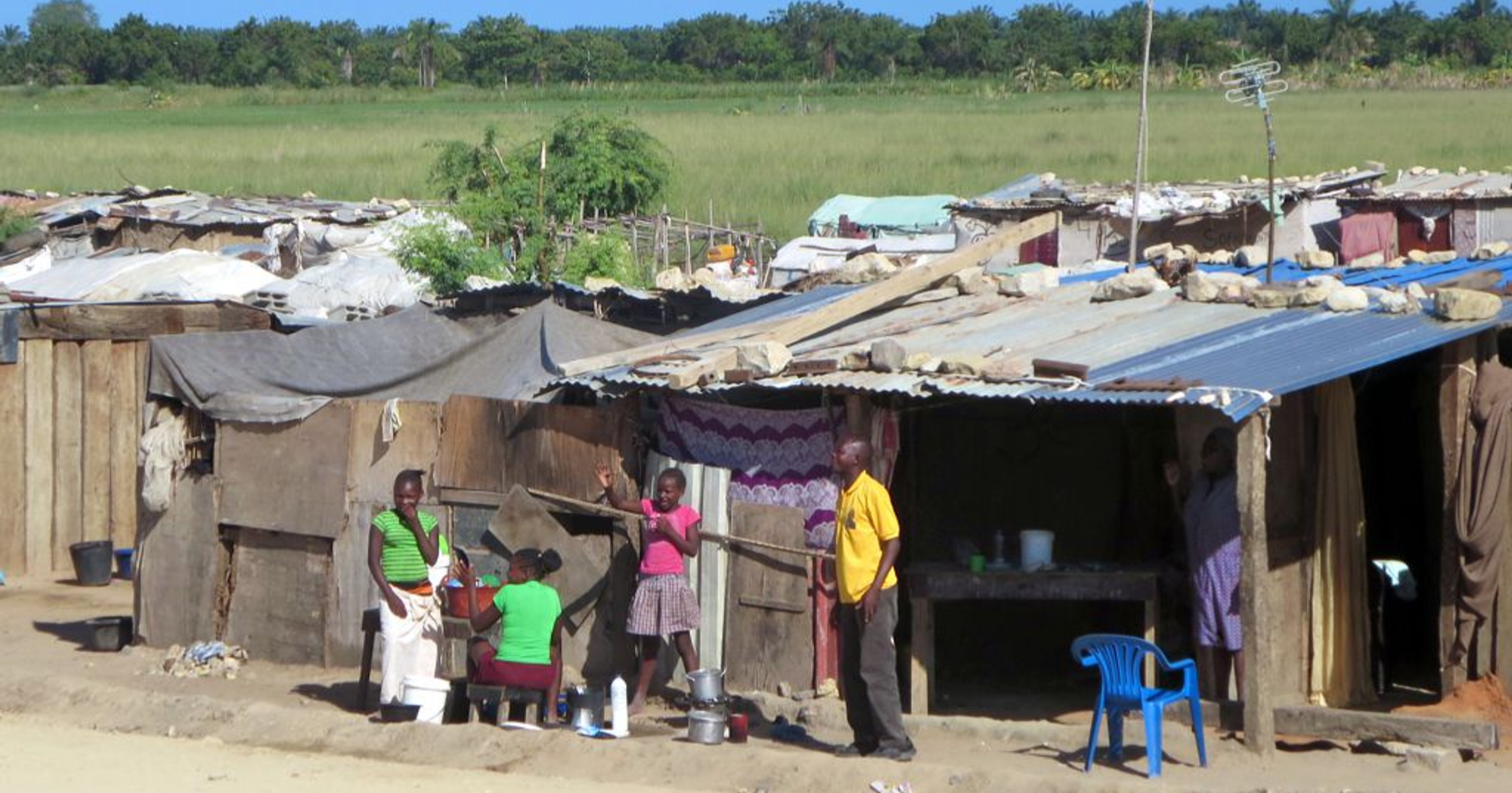
Squatter Settlement
- Urban Challenges:
- Rapid urban expansion outpaces planning and city authorities.
- Average population density in Rio is 6,000 people per km², increasing pressure on housing, services, and infrastructure.
- Majority of rural migrants end up living in slums (called Favelas).
- Development:
- Rapid rural to urban migration leads to the development of squatter settlements.
- Squatter settlements in Rio are home to over 1.5 million people.
- The most famous slum is Rocinha, located on the steep slopes surrounding the main Rio city.
- Unplanned and has the following characteristics:
- Overcrowded, noisy, and smelly houses made from cardboard, wood, corrugated iron, plastic sheeting, and metal from oil drums.
- Lack of sanitation, clean drinking water, and open sewers.
- Pollution and disease are common.
- Thousands of workshops and people employed in the informal job sector.
Water Supply in Rio
- Challenges:
- Shortage of drinking water despite being surrounded by water.
- Water surrounding the city is saltwater.
- Around 15% of Rio's population does not have a piped water supply.
- Alternative water sources are groundwater or storage cans, which can be contaminated.
- The only alternative is to buy water from a water vendor.
Energy Supply in Rio
- Issues:
- Frequent blackouts due to a shortage of energy.
- Growing population and stolen electricity make the problem worse.
- Solutions:
- Rio has installed 60km of new power lines.
- Built a new hydro-electric complex to increase Rio's supply by 30%.
- The project took 6 years to build and cost USD 2 billion.
- Rio lost a large proportion of its surrounding rainforest to accommodate the dam.
The Favela-Bairro Project Helps Poor People in Rio's Favelas
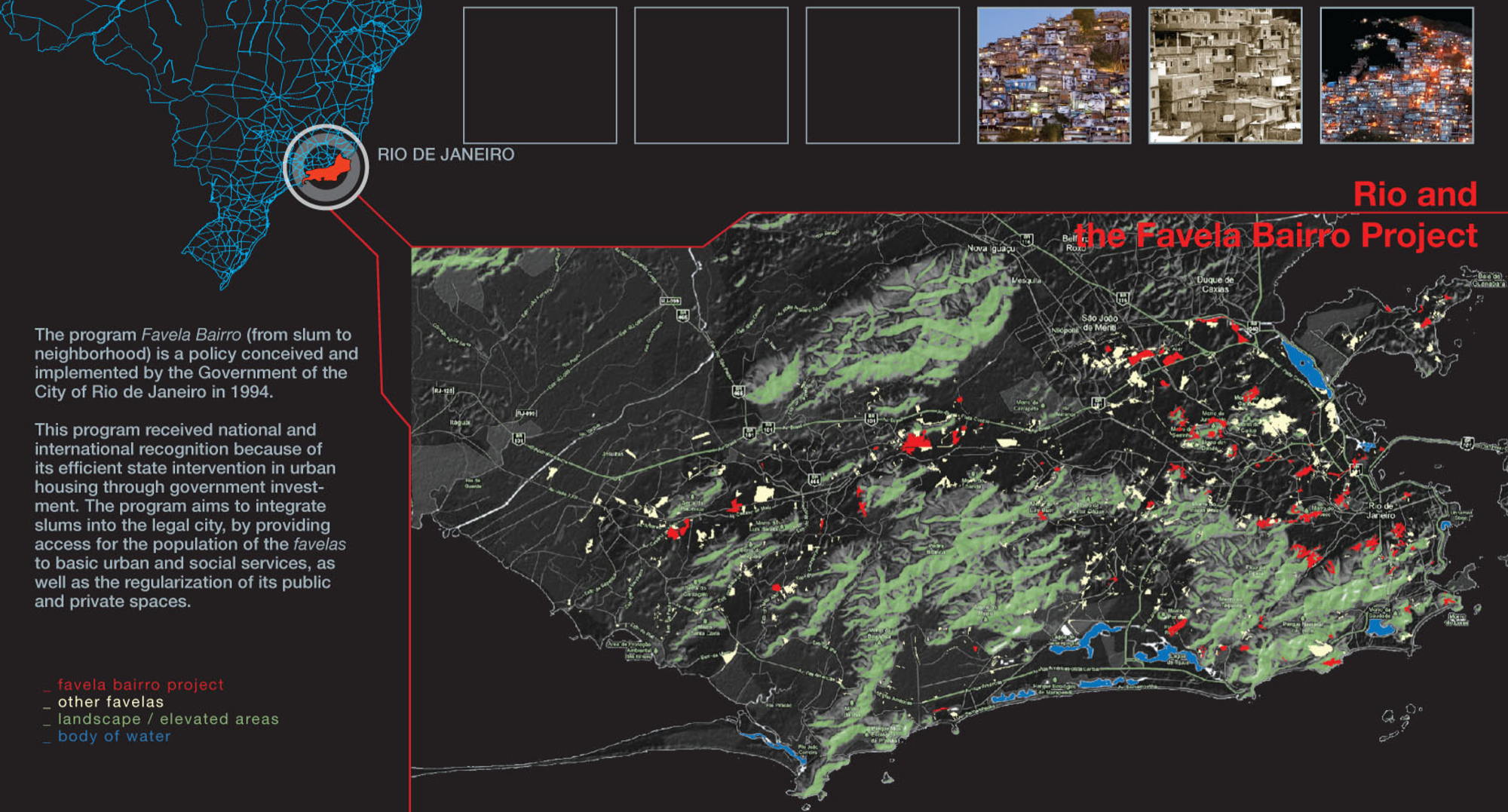
Favela-Bairro Project
Offen the poorest people in urban areas are most affected by urban growth problems. Urban planning schemes help reduce the impact and improve the quality of life for the urban poor.
An example of an urban planning scheme is the Favela-Bairro Project in Rio:
- Location:
- Rio is in SE Brazil with about 600 squatter settlements (favelas).
- 1/5th of the city's population lives in these favelas.
- Favela-Bairro Project:
- Ran from 1995-2008, involved 250,000 people in 73 favelas.
- Led to social, economic, and environmental improvements.
Social Improvements
- Day Care Centres:
- Started for children, and after-school schemes were implemented.
- Adult Education Classes:
- Improved adult literacy rate and job prospects.
- Health Centres:
- Helped people affected by drug and alcohol addiction.
- Cable Car:
- Installed to take people from the favelas to the city centre. Free one-way from the favela, with the idea that people could earn money for the return trip.
Economic Improvements
- Home Ownership:
- Residents can now apply to legally own their homes.
- Training Hubs:
- Improved skills to enable people to work in higher skilled formal jobs.
- 100% Mortgages:
- Offered to help fund purchases of their homes.
Environmental Improvements
- Building Materials:
- Wooden buildings replaced by brick to reduce fire risk.
- Infrastructure:
- Street widening, paving, and sewage facilities installed.
- Rubbish Collection:
- Implemented to reduce rubbish in the streets.
- Self-help Schemes:
- Provided building materials to replace home-made shelters.
Successes
- Improved quality of life, mobility, and employment prospects.
- Recognised by the UN as a successful model.
- Adopted in other Brazilian cities.
Problems
- Budget of $1 billion was not enough to cover every favela.
- Newly built infrastructure and housing not maintained.
- Residents lack skills and materials for repairs.
- Rent rise; some improvements made favelas more expensive and led to increased rents.