Ireland: differing attitudes to the Home Rule crisis, 1912–1914 (OCR GCSE History B (Schools History Project)): Revision Notes
📚Revision Notes
Ireland: differing attitudes to the Home Rule crisis, 1912–1914
The Historical Roots of the Irish Home Rule Crisis
To understand the Home Rule crisis, we need to look a bit further back for historical context: Back in the 17th century, Ireland was conquered and many Irish people were dispossessed of their land, which went to English and Scottish Settlers. There were also conflicts over religion, with most of Ireland remaining Catholic (with the exception of Ulster) while the Protestant Reformation overhauled religion on mainland Britain.
National Identity
Over and above Ulster becoming a Protestant majority province, it had also become Ireland's most industrialised region and focused on shipbuilding and manufacturing. Unlike the rest of rural Ireland, the people of Ulster regarded themselves as part of Britain. They were called Unionists and had the support of imperialists and conservatives in England.
In 1900, many Britons regarded Ireland as just another part of the United Kingdom, like Wales and Scotland, and not like a an imperial possession, such as Australia or India. Indeed, as a result of the Irish Act of Union of 1800, Ireland had 100 MPs and 28 Peers in Parliament, which the other colonies certainly did not!
Ireland did not share this sentiment, however, and believed it was a conquered land. Over the course of the 19th century, nationalist activity increased in terms of violence, bombs and assassinations, and legal challenges working through Parliament. Bills for Home Rule in 1886 and 1893 were defeated.
This meant that in order to gain ground in the House of Commons, the Liberals needed the support of Irish Nationalists. Through them, the Liberals were able to get their welfare reforms through and weaken the House of Lords through the Act of Parliament. The Liberals returned the help by introducing a Home Rule bill in 1912. It involved the following:
- Setting up an Irish Parliament in Dublin
- It had powers to oversee all internal Irish affairs
- BUT, Ireland was still part of Britain
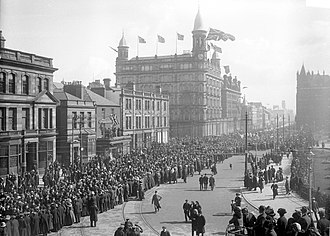
A Unionist march in Belfast, April 1912
In 1910, there was a dramatic turn. The Liberals lost their majority in the elections and there was a hung Parliament, which means in the House of Commons there were not enough MPs on either side to outvote each other.
The escalating tensions between Irish forces and the UVF
The people of Ulster, who were a minority, found this hugely alarming...
Note
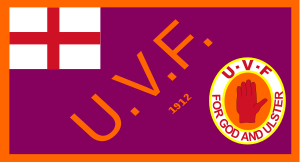
What followed was the Home Rule crisis, which was a political and military crisis as a result of the Third Home Rule bill. Unionists in Ulster formed a paramilitary force called the Ulster Volunteer Force which threatened to use force to resist the implementation of the Act. In response the Irish set up their own volunteer force called the Irish Volunteers. Both sides began importing weapons
By 1913, the UVF had over 40,000 members. A year later, they were armed with 25,000 smuggled rifles and millions of rounds of ammunition. While illegal, it had the support of the powers in England. In response, the Irish Volunteer force recruited even more members and outnumbered the UVF, though they were less well armed. Both sides were set for armed conflict and there was no political resolution either.
But before a civil war could break out, Britain entered WWI. All efforts were directed to this conflict with thousands of Irish soldiers fighting for Britain.
Note
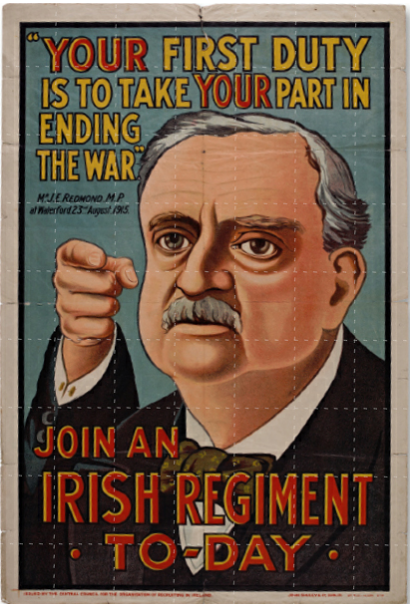
As many as 150,000 Irish soldiers fought in war. Ulster Protestants and Irish Catholics fought alongside each other in the Battle of the Somme and many lives were lost. Nevertheless, the leader of Irish nationalist MPs, John Redmond, used his moderate nationalism as evidence of loyalty to Britain and ability to get Irishmen to sign up to serve in WWI.
Note
Even with many Irishmen fighting for Britain, there were still some planning an Irish rebellion against British rule.
On Easter Monday 1916, 1600 armed rebels set up their headquarters in the General Post Office in Dublin and stationed themselves around the city. They proclaimed:
Irishmen and Irishwomen: In the name of God and of the dead generations from which she receives her old tradition of nationhood, Ireland, through us, summons her children to her flag and strikes for her freedom.
Taken by surprise, the British quickly sent reinforcements and, after heavy shelling and six days of fighting, the rebels surrendered.
Note
As this happened in WWI, many Dubliners were disgusted by the rebel action. Those who were arrested were shamed and pelted with tomatoes. But Britain's response was also questionable: Under martial law, Britain's Commander General John Maxwell was heavy-handed, sending in a gunship, heavy machine guns, and artillery.
Note
Maxwell had over 3,500 alleged rebel sympathisers arrested, even if they weren't in Dublin during the uprising. They were subject to military court, sent to prison in England, and 15 rebel leaders were executed by firing squad a week after the uprising. One leader, James Connolly, dying from his wounds, was still carried out on a stretcher into the prison yard, tied to a chair and shot.
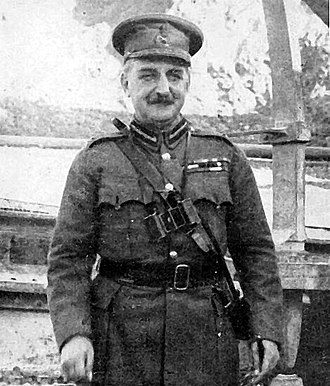
This response served only to anger the Irish people further who then rejected John Redmond's moderate nationalist stance. The consequence was that, after the war, in the 1918 elections, a political party called Sinn Fein (We Ourselves) campaigned for Irish Independence and won 73 out of 105 Irish seats. They also refused to go to London and met in Dublin
Glossary of Terms
Martial Law
A state in which ordinary laws are suspended for a time while the army takes charge - usually to crush an insurrection. E.g. Easter Rising, 1916.
Boer War
A war fought between Britain and the Boer Republic in South Africa in 1899-1902. The British won but it damaged its reputation back in Britain.
Durbar
A lavish royal celebration held in India when a new British monarch took the throne. It sought to reinforce the fact that India was a colony of Britain.
Colony
A region or territory controlled by people from another country. E.g. Britain ruled over India.
Irish Home Rule
A policy that would allow Ireland to govern itself while still remaining part of the United Kingdom.
Viceroy
An official appointed to rule over India on behalf of the British monarch.
Exam Practise
Task 1
Note
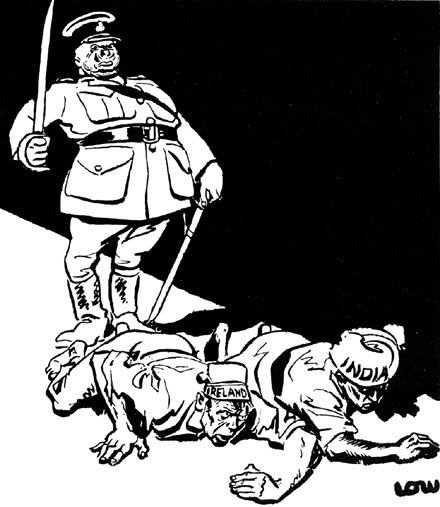
Study the source and then answer the questions which follow. Remember to substantiate your response with historical facts.
- What impression of British rule is being made and how does the imagery used support this?
- Why do you think the British Empire took this stance towards Ireland and India?
- Was this cartoon drawn by a pro or anti-British empire commentator? How do you know?
- If you were an admirer of the British empire, explain whether you would be able to use this source to support your viewpoint.
- If you were a critic of the British empire, explain whether you would be able to use this source to support your viewpoint.
Task 2
Note
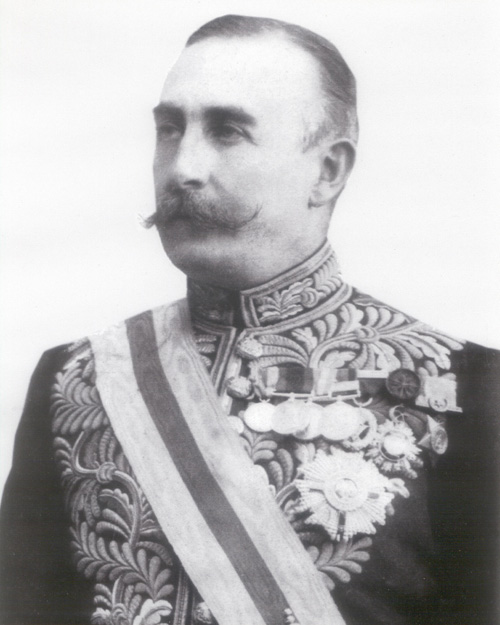
Read and analyse the quotes in Source A and Source B. Describe the situation in India at the time of these statements, and what do they reflect about British attitudes to British rule of India - substantiate your response with historical facts.
Source A
"The Raj will not disappear in India as long as the British race remains what it is, because we shall fight for the Raj as hard as we have ever fought… and we shall win."
- Viceroy Minto, 1905 - 1910
Source B
"We are too much inclined to look upon [Indians] as a conquered and down-trodden race, and the Native, who is becoming more and more educated, realises this."
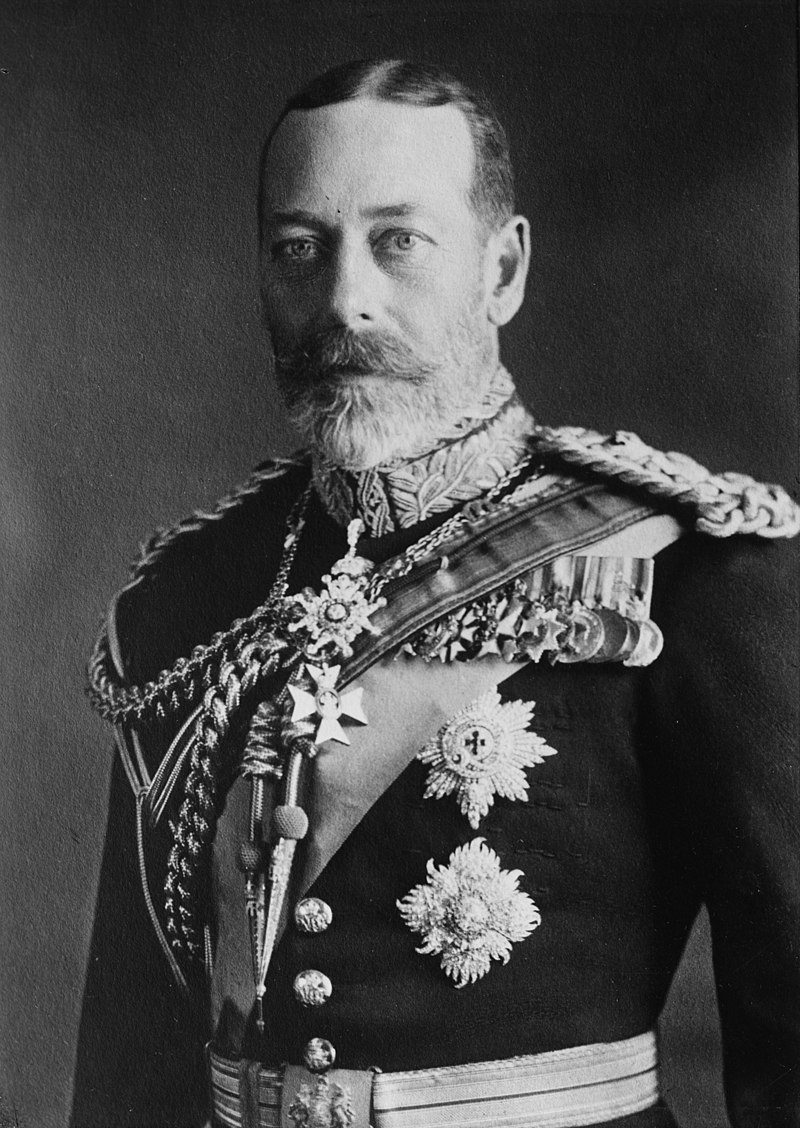
- King George V, 1910 - 1936
Task 3
Note
Using your knowledge of history and additional research where necessary, answer the following questions.
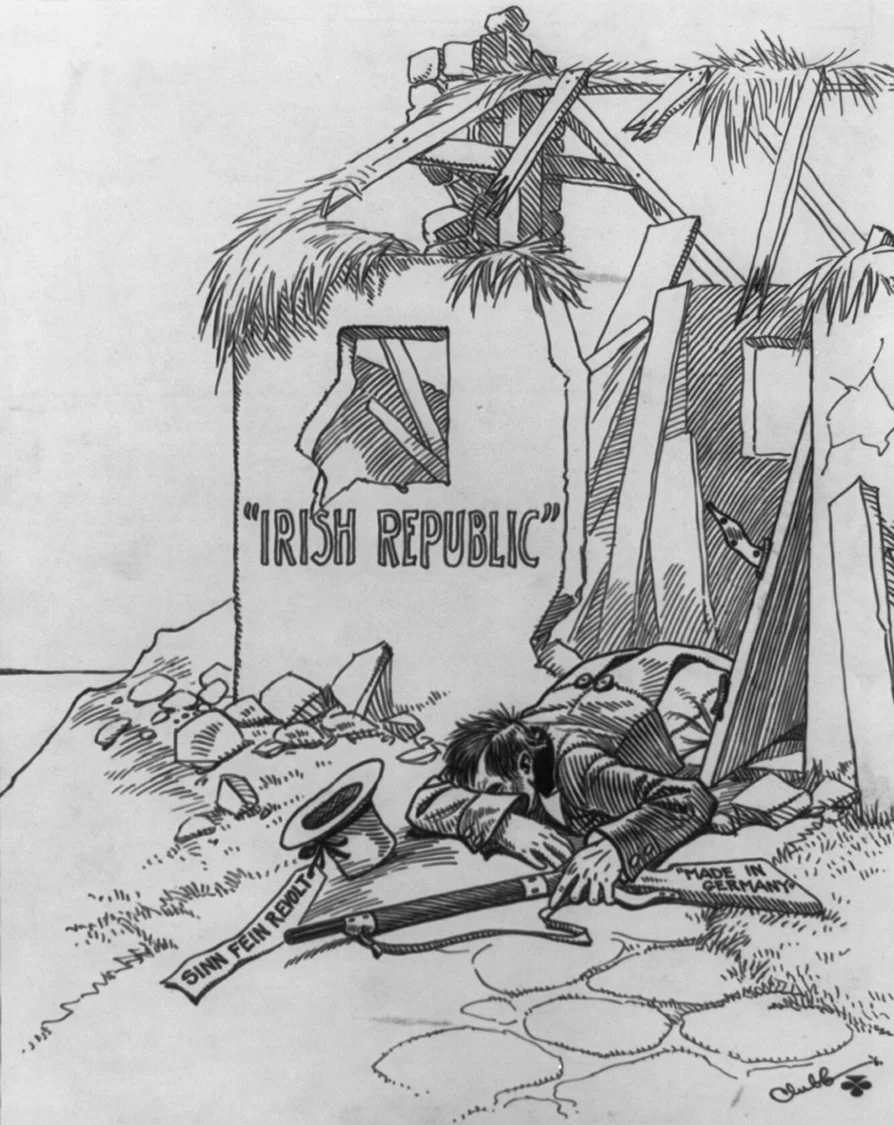
- What do you think the author's message in the cartoon is?
- Do you think the artist is a Unionist or Nationalist? Why?
- What does the suggestion of "made in Germany" on the weapon suggest?
- Do you believe that Maxwell's response to Easter Monday was heavy-handed? Substantiate your answer.