Class distinctions: the lives of the upper, middle and working classes (OCR GCSE History B (Schools History Project)): Revision Notes
📚Revision Notes
Class distinctions: the lives of the upper, middle and working classes
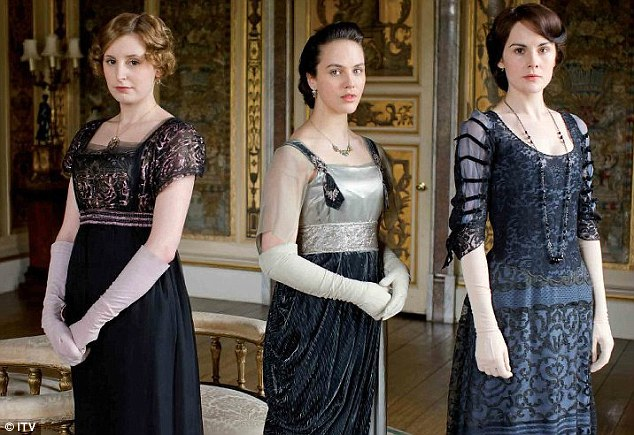
The cast of Downton Abbey, who played a wealthy upper class family in the early 20th century.
The upper class: In the Edwardian era, the upper class consisted of aristocrats, country squires, and factory owners and industrialists who had become wealthy. They numbered around 300,000 (1%) of the total population and earned more than £10,000 a year. They held a lot of power and influence in government and politics as their wealth and land ownership meant that they had the right to vote, and could be members of Parliament (it was not a paid position thus less wealthy people could not afford the lack of income). They lived leisurely lives in the country and in comfortable city apartments.
Note
Education for upper class girls was different to boys: Some were sent to boarding school, but they were typically educated at home by a tutor. They did not go to university as their role was to be wives and mothers.
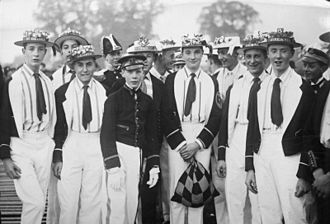
Male students at Eton College c.1930s
Upper class males were educated by private tutors or went to prestigious public schools such as Eton or Harrow. They then attended Oxford or Cambridge.
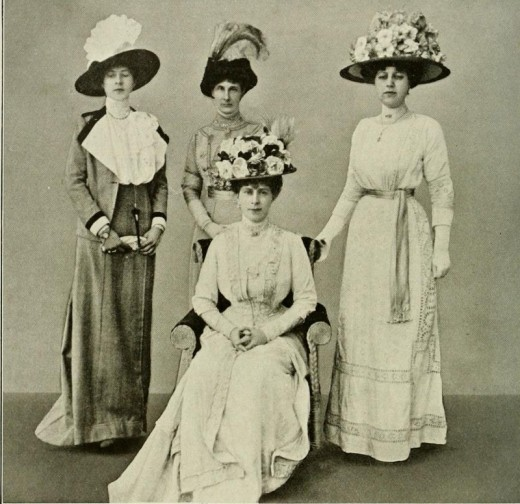
Pas part of Victorian society, it was not expected for upper class women to work or be involved in politics. Their role was a domestic one, of charitable good works, idle chatter, and being there to support their husbands.
The lives of the Upper class
Note
In the upper classes, it was very important to marry well. As such, when a girl turned 18 it was common to be presented to high society as a 'débutante' and suitors would be looked for.
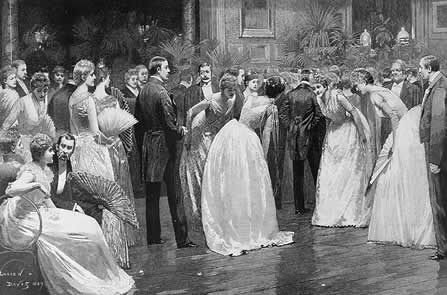
The the 1900s, change was in the air - Edward's reign had relaxed some of the stringent rules of the Victorian era and some upper-class women began to campaign for a life bigger than the domestic sphere. In the 1900s, the first women's colleges at Oxford and Cambridge Universities were founded, and women began to seek more independence and voice their opinions. This was largely frowned upon, however, and they faced prejudice and oppression.
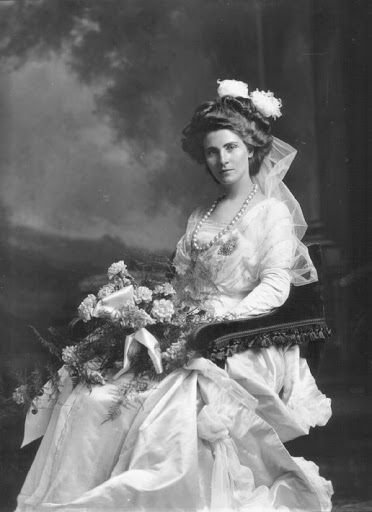
A debutante being presented at court.
The lifestyle of the upper class was one of lavish opulence. Their wardrobes were large and specific to the occasion: There was an outfit for conducting business, country wear, a dinner jacket for dining at home, a tail coat for dining out, women needed personal dressmakers and milliners to supply all their fashion needs, too. Women needed different clothes for mornings at home, afternoon tea parties, dinners and balls. It was a time of splendidly elaborate women's fashions. Society was highly critical, so fashion trends were closely adhered to.
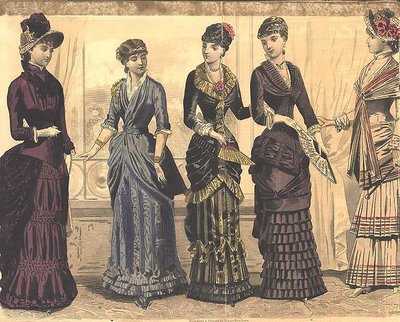
Edwardian fashion for upper-class women
Note
The upper class also showed off their wealth through food: Remember, a cook earned £30 annually and one high-class dinner for 20 could cost £60 (£7,430.22)
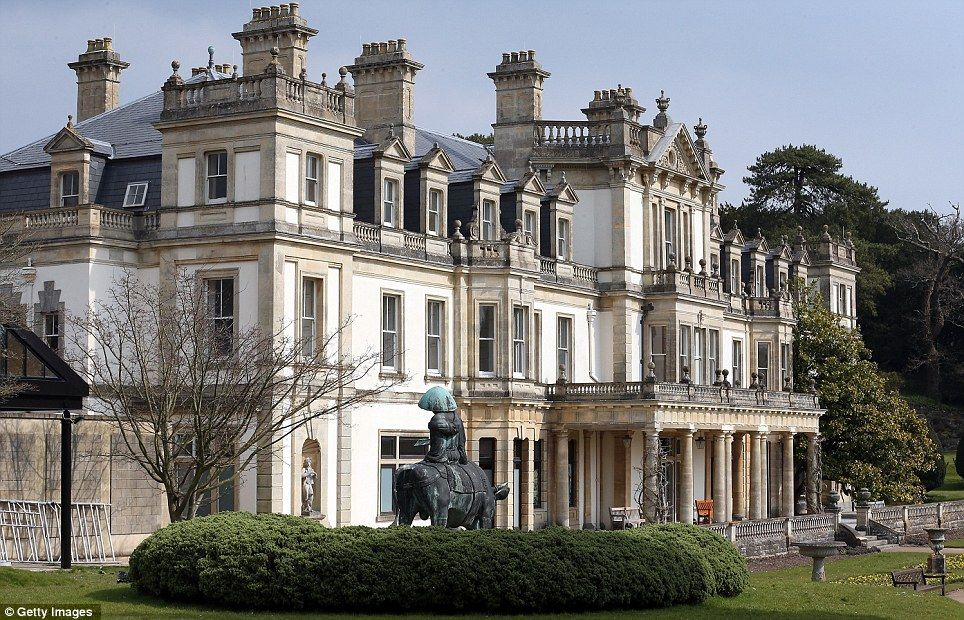
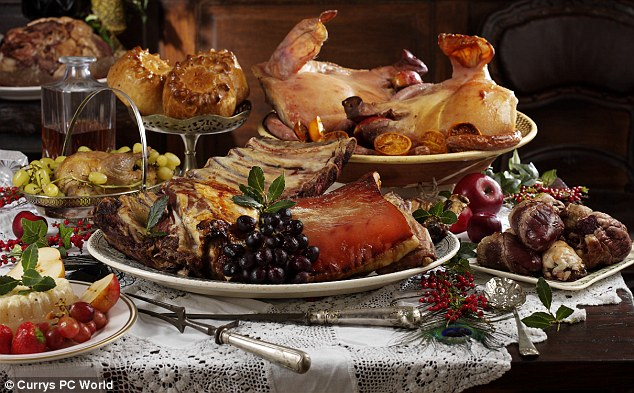
Examples of Edwardian mansion and a feast
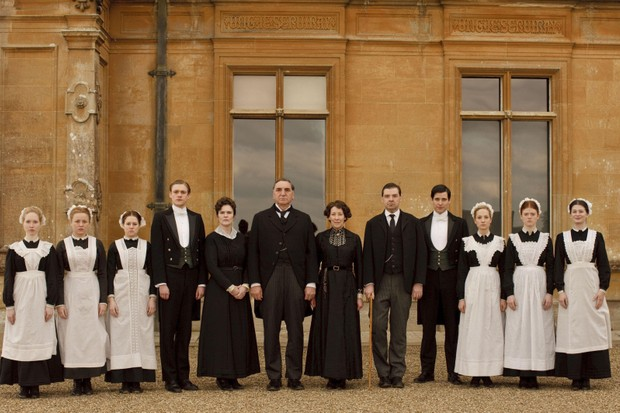
As depicted by the popular TV series, Downton Abbey, upper class families were attended to by an army of servants
The leisurely, extravagant lifestyle of the upper classes was supported by lots of servants. A country house could have a permanent contingent of 14 staff. A working day for a servant was long and hard. A half-day was granted once per week, and a full day off once per year. Wages varied from the top position of a housekeeper at £65 a year, to the lowest housemaid at only £9 a year. Food and accommodation was provided, but it was very basic. A uniform was also provided.
(£65 = £8,049.40 in 2019, £9 = £1,114.53)
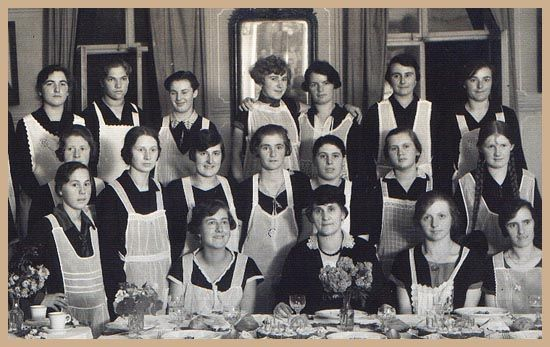
An historic photograph depicting servants for an upper class family
The lives of the middle class
In Edwardian Britain, a middle class had established itself and were important members of society. They were responsible for the growth of business, and for working in civil services, in education and local government.
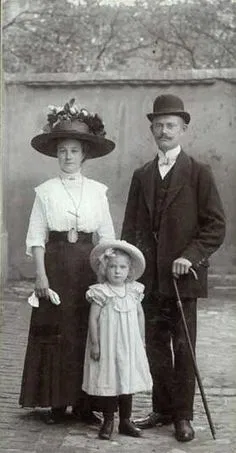
Example of an Edwardian middle-class family
Even the middle class was subject to social stratification: The upper middle-class worked in higher professions such as doctors, lawyers, business managers and accountants. They could earn up to £5000 a year.
At the lower end of the middle-class spectrum were were teachers, clerks and police sergeants. They earned around £100 a year. £100. On this income, a household could only just afford one servant, usually a teenage girl from the lower class.
For the middle class, boys were educated at public schools or at grammar schools. They were expected to start a career as soon as they left school. Even as managers, their hours were long and it was expected for them to work Saturdays too. Middle-class girls lived different lives to those of their highly-restricted upper-class counterparts. They would attend girls' schools and would focus on domestic subjects such as cookery, hygiene, laundry and housewifery. Financially, it was necessary in middle-class families for girls to start work as soon as they left school.
Note
Middle-class working women could avoid the lower-class occupations that involved physical labour thanks to the invention of new technologies: Typewriters and telephones, for example saw jobs such as typists and secretaries emerge.
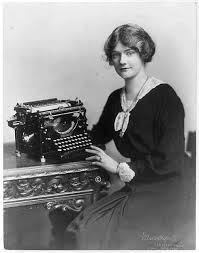
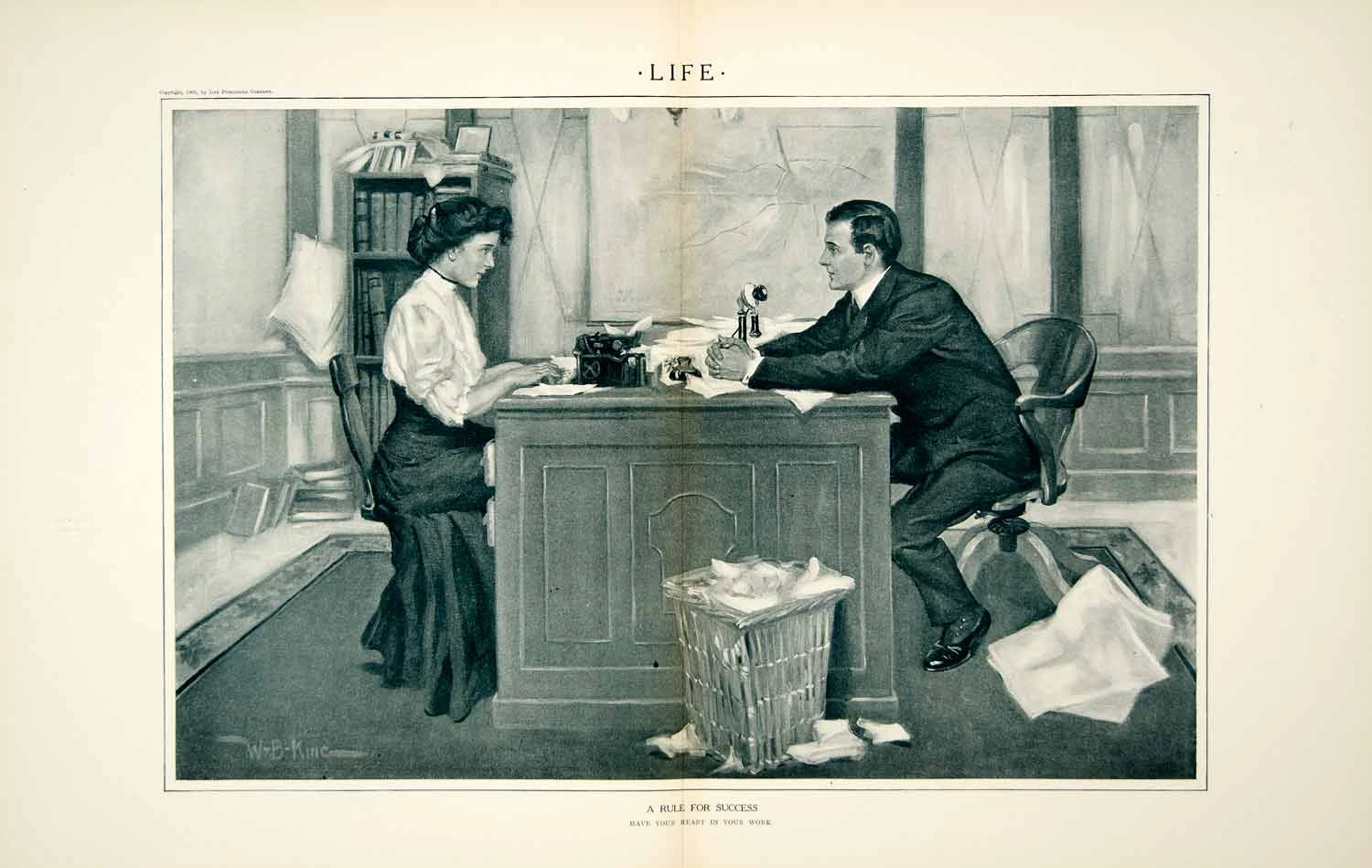
For the wealthier middle-class families, a married woman was expected to stay at home and manage the household and its staff. This would include a cook, and one or two maids.
Moving further into the first decade of the 1900s, some middle-class women began to feel frustrated by the mundane life of the domestic world.
Middle-class families were able to build new homes that were of a good size in pleasant areas of towns and cities. Though not as wealthy as the upper class, manufacturing allowed them to be active consumers who filled their houses with furniture and decor in the latest fashion.
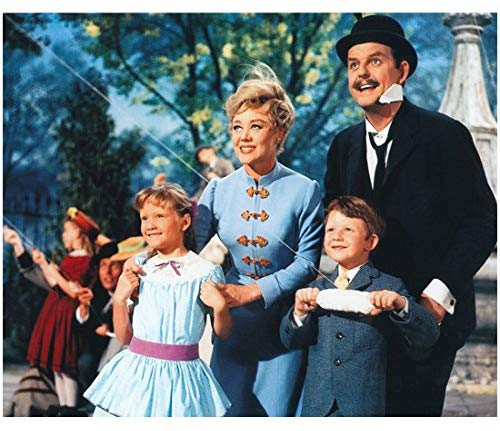
The movie classic, Mary Poppins, centres around the lives of an upper-middle-class family
Note
Middle-class families enjoyed a wide range of leisure activities. These included tennis, As the picture below shows, tennis for men and women. The middle classes also enjoyed cycling, going to the theatre and cinemas, and board games during colder months.
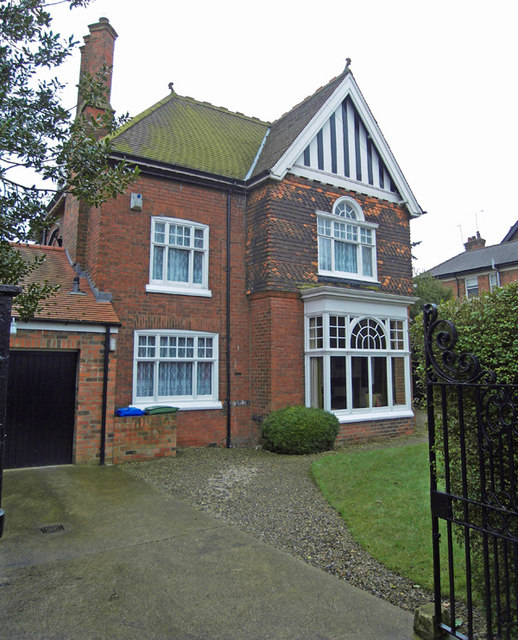
Example of a detached Edwardian home built for a middle-class family c.1900
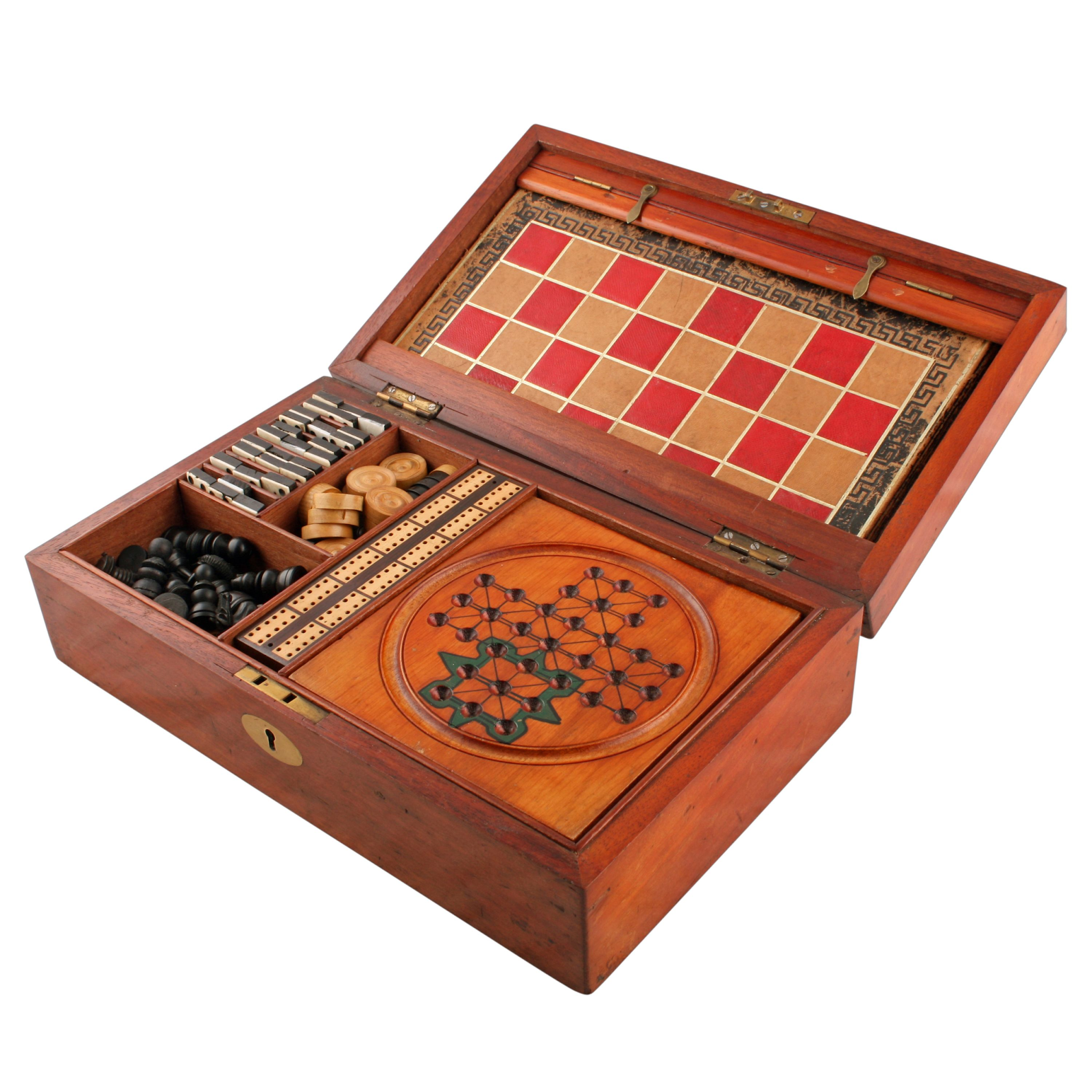
Example of an Edwardian game box
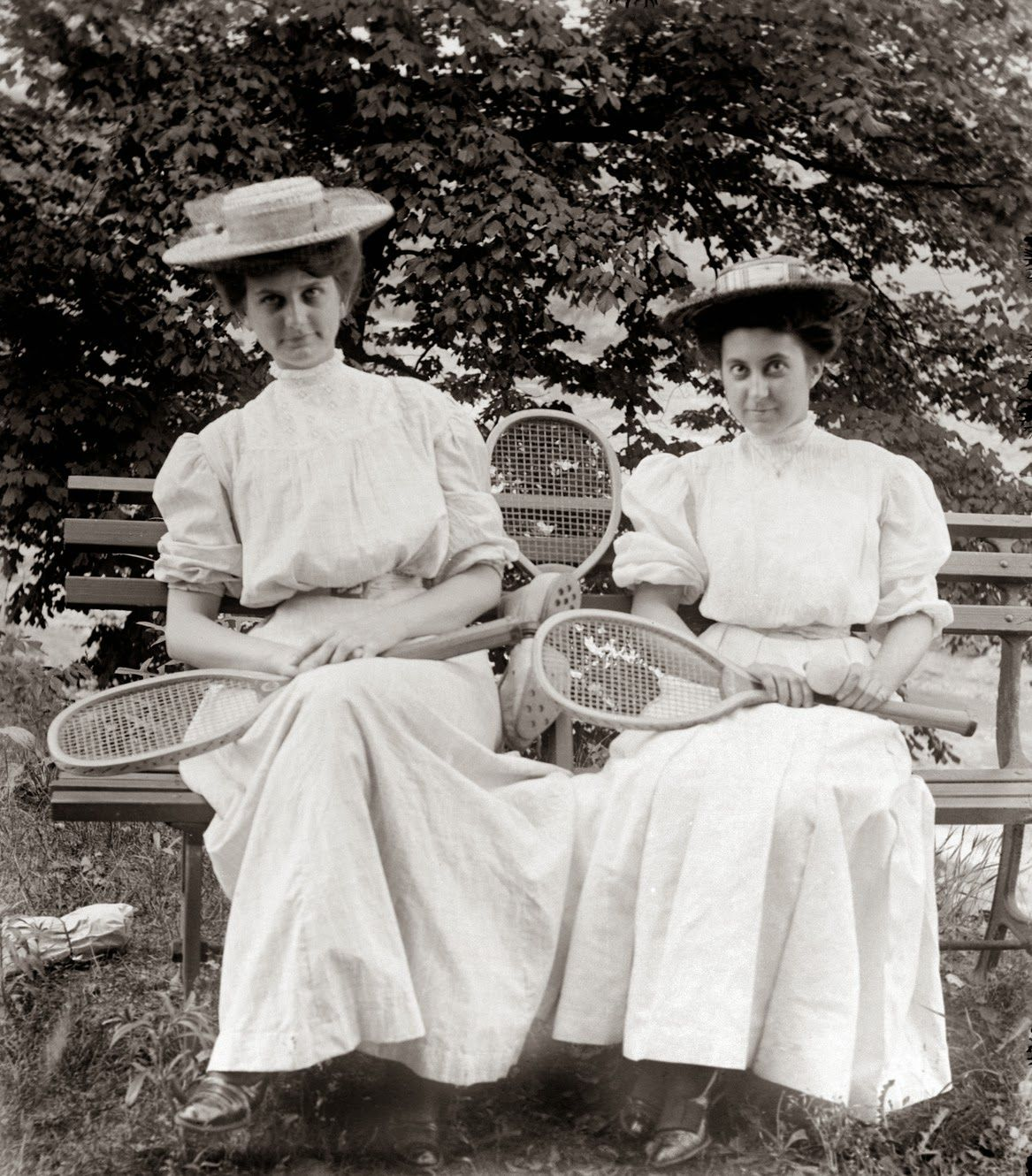
Women tennis players. Note the clothing and hats.
The lives of the working class
Though life had improved for the working class in the 1900s compared to that of the 1850s, it was still hard. Trade unions had won better working conditions and wages, along with shorter working hours.
Highly skilled workers could earn about £80 a year. Semi-skilled and unskilled workers (about 45% of Britain's working population) earned between £60 and £70 a year, but work was not consistent year-round. Even with these improvements, many working-class families, particularly those with lots of children continued to live in poverty.
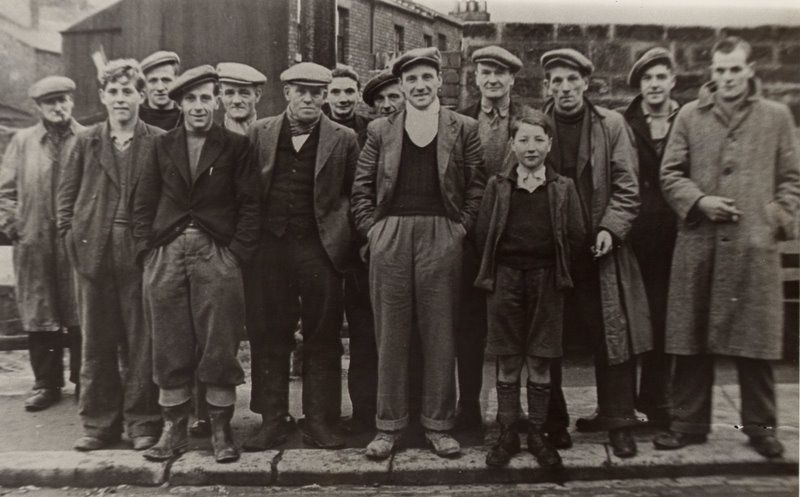
Flat caps is a term often associated with the working class in the Edwardian era
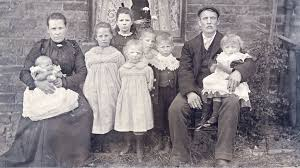
Historic photograph of a working-class family, c.1903
Education consisted of compulsory schooling to twelve for both boys and girls. Girls learned laundry skills in preparation for future work and household chores. Women had no servants to help them run the house or raise their children, nor did they have domestic appliances that were starting to emerge in higher echelons.
Housing for the working class typically consisted of terraced housing in urban areas which replaced the overcrowded and unsanitary courts of the 1850s. They had running water, and an inside flushing toilet and a bath. This was not the case in all cities, however, and many poorer working-class families continued to live in overcrowded and unsanitary slums.
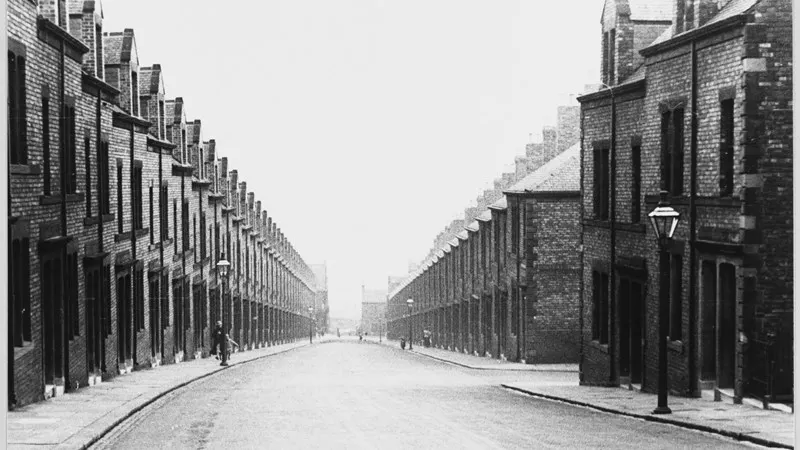
Example of a working class neighbourhood of terraced housing in Edwardian Britain
Thanks to advances made by trade unions in the late 19th century, most workers of the 1900s were able to enjoy Saturday afternoons off. This lead to a significant rise in attendance at football games and cricket matches.
By 1871, the Bank Holidays Act had added four holidays to the working year. This meant that some factories closed for a full week in the summer.
This lead to a boom in the leisure industry, particularly seaside holiday resorts such as Blackpool, Skegness and Scarborough.
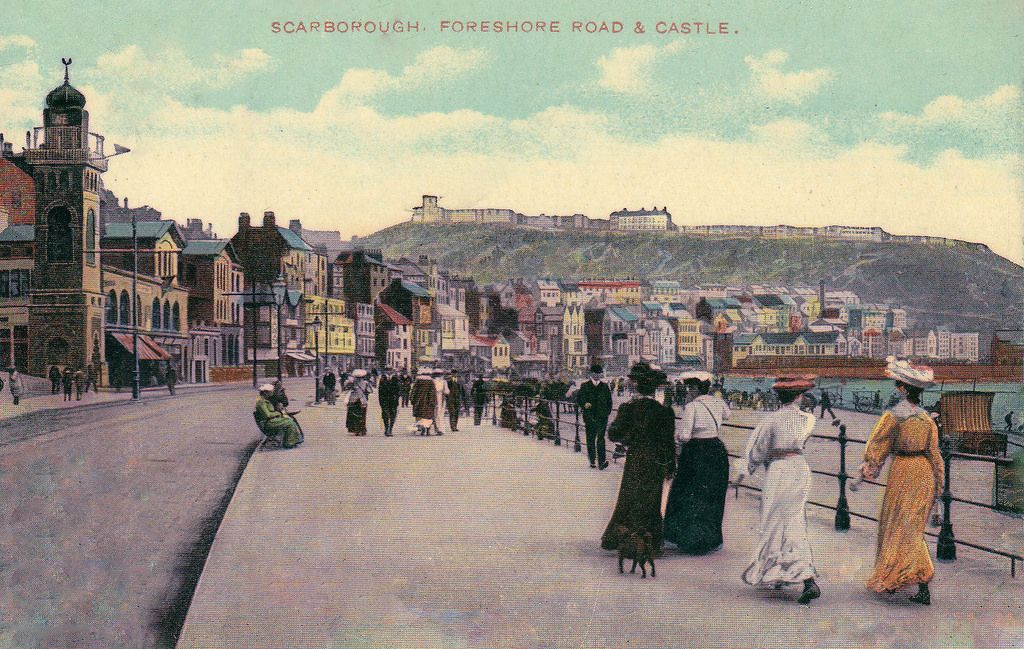
Above: Scarborough in the Edwardian era


Right: Blackpool in the Edwardian era