Rowntree’s investigation into the nature of poverty (OCR GCSE History B (Schools History Project)): Revision Notes
📚Revision Notes
Rowntree's investigation into the nature of poverty
Classes were distinctly stratified in 1900s Britain. The wealthy very rare ventured into poorer areas and vice versa. Poverty was poorly understood and misconceptions about the nature of poverty were entrenched in British society. Research had yet to be conducted to gather data about how many people were living in poverty, where those areas were, and what factors contributed to the cycle of poverty.
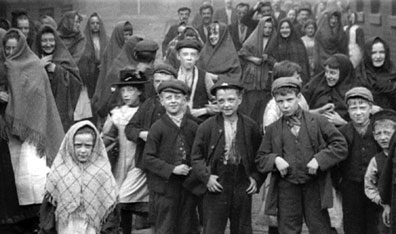
An historic image of poor children in Edwardian Britain
Classes were distinctly stratified in 1900s Britain. The wealthy very rare ventured into poorer areas and vice versa. Poverty was poorly understood and misconceptions about the nature of poverty were entrenched in British society. Research had yet to be conducted to gather data about how many people were living in poverty, where those areas were, and what factors contributed to the cycle of poverty.
Belief: The poor are a small proportion of the population.
Belief: The poor nearly all lived in London and the big industrial cities.
Belief: Poverty was self-inflicted. Poor people were lazy or chose to spend their wages in the pub.
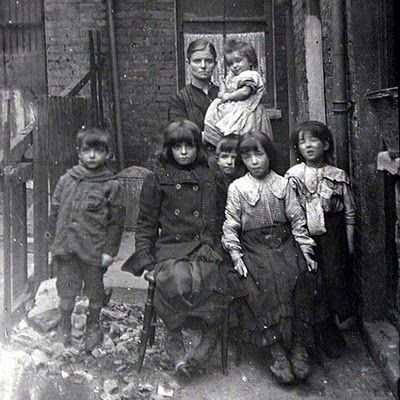
An historic image of a poor working-class family in Edwardian Britain
"... their wages would suffice to keep them strong and healthy, but they are thriftless; they drink and bet, or they are ignorant and careless in housekeeping…"
The Times newspaper, 1902
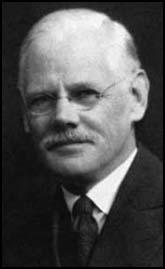
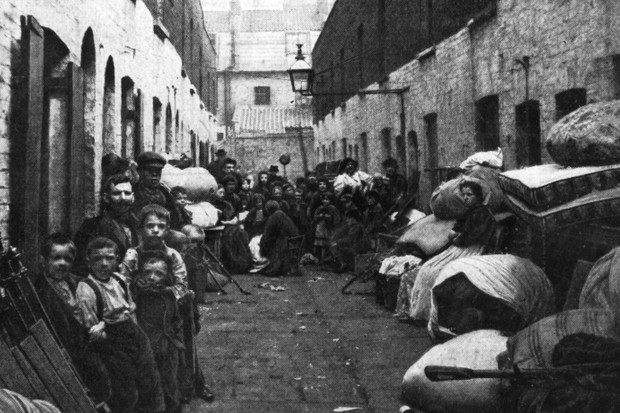
Benjamin Rowntree
BACKGROUND Benjamin Seebohm Rowntree (1871-1954) was an English sociological researcher, reformer and industrialist. He conducted three studies of York (1899, 1935 and 1951) Investigating the living conditions of the poor. He argued that poverty was the result of low wages, not lack of effort.
Explainer documentary of Rowntree's York study findings
York Study #1 (1899) Findings
- He compared the living conditions of poor working class families compared to rich families. He established a 'poverty line' of a minimum weekly income to subsist.
- 27.84% of York's population fell below the poverty line.
- He revealed that people at certain stages of life were more at risk of abject poverty e.g. old age and early childhood.
- Formulated the idea of the poverty cycle.
- Rowntree concluded that the poor were not responsible for their own plight.
Note
As far back as the Elizabethan era (1558-1603) poverty was little understood, with Poor Laws (1601 & 1831) passed to deal with 'deserving' and 'undeserving' poor.
York Study #2 (1935) Findings
- Published in 1936 and Poverty and Progress this study revealed that York's absolute poverty had decreased by 50% since the first study.
- But, he changed the definition of the poverty line so it was not a direct comparison to the first study.
York Study #3 (1951) Findings
- He found that the causes of poverty changed significantly from primarily low wages in the 1890s to unemployment accounting for 44% of cases of poverty.
- Titled Poverty and the Welfare State this study used a sampling technique rather than a comprehensive survey.
- Absolute poverty had become a minor problem by the 1950s, mainly among the elderly.
- Eradication of poverty was attributed to an expanding economy during the 50s affluence, employment rights and the welfare state.
- Suggested that the welfare state had transferred wealth from the rich to the poor, which significantly raised working class living standards.
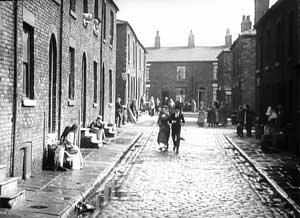
A London slum
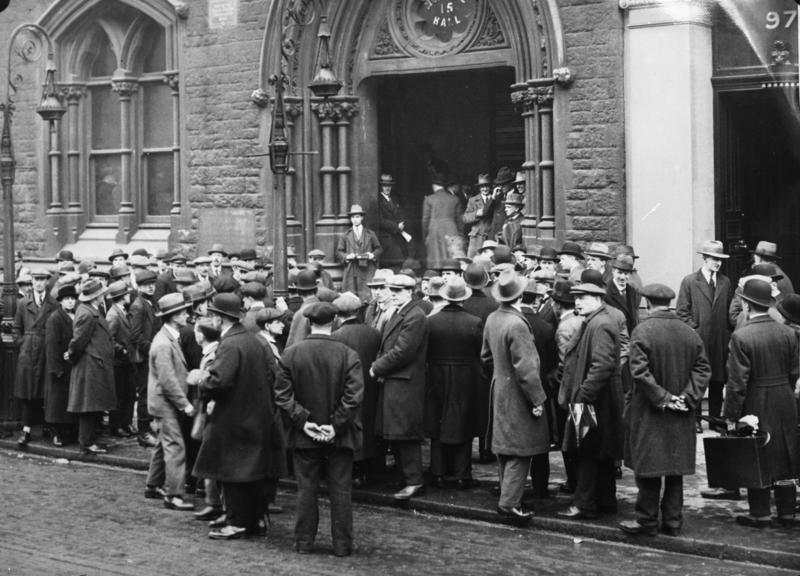
Unemployed people at a workhouse in London
Glossary of Terms
Flat Caps
A soft hat with a low, flat crown and a peak often worn by the working class in Edwardian Britain.
Debutante
An upper-class young woman making her first appearance in fashionable society usually aged 18. The aim was to introduce her to high society and find a suitor to marry.
Edwardian Era
Spanning 1900-10 and into WWI, it is regarded as a 'Golden Age' of British history and involved social and political reform.
Servant
An English sociological researcher, social reformer and industrialist. He is known in particular for his three York studies of poverty conducted in 1899, 1935, and 1951.
Benjamin Rowntree
A person hired to perform typically domestic duties for others. In Edwardian England these included housekeepers, butlers, maids and cooks.
Social stratification
Social stratification refers to society's categorisation of its people into groups based on socio-economic factors like wealth, income, race, education, gender, occupation, and social status, or derived power.
Exam Practise
Task 2
Note
Read Source A. What does this suggest about the understanding of poverty in Edwardian Britain. Explain what life was like for the working class and why poverty was part of working-class life. Then, explain who Benjamin Rowntree was and how his studies shone new light on the nature of poverty.
"... their wages would suffice to keep them strong and healthy, but they are thriftless; they drink and bet, or they are ignorant and careless in housekeeping…"
The Times newspaper, 1902
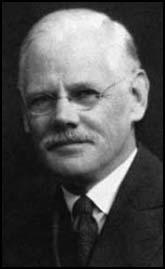
Left: Benjamin Rowntree Below: Photograph of an Edwardian urban slum