Work and home: the impact of Nazi policies on men and women (OCR GCSE History B (Schools History Project)): Revision Notes
📚Revision Notes
Work and home: the impact of Nazi policies on men and women
Note
During the Weimar Republic era in the 1920s, major improvements to the status of women in German society came about. They were granted equal voting rights, were accepted in professional jobs, and given the freedom to participate in leisure activities.
However, Hitler and the Nazis had a clear path for German women. They considered the female sex as the key to securing a pure Aryan race, thus making the home the best place for wives and daughters. German women were expected to live by the Three Ks.
The 3 K's
KINDER (children)
KÜCHE (kitchen)
KIRCHE (church)
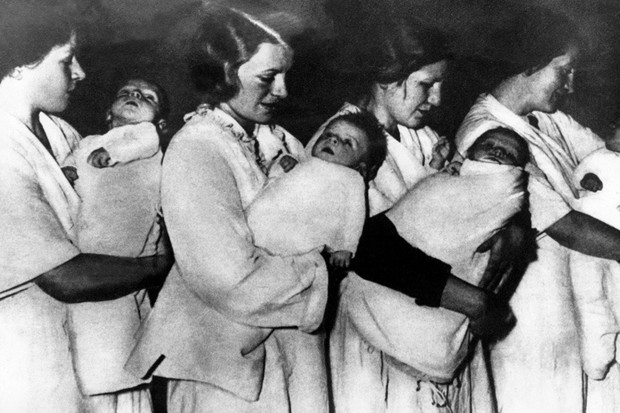
Babies born under the Lebensborn policy
Through Lebensborn, 'pure' German women were allowed to volunteer to have a baby from an Aryan SS. Throughout the Third Reich, it was estimated that about 20,000 babies were born under this policy.
In 1933, the Law for the Encouragement of Marriage gave newlyweds a loan of 1,000 marks and allowed them to keep 250 marks for every child they produced.
Note
Traditionally known as Mothering Sunday, Hitler decreed that children-rich German mothers should be awarded for their contribution to the future of the Aryan race.
The following criteria applied:
3rd class mothers were awarded a bronze medal for bearing 5 children.
2nd class mothers were awarded a silver medal for bearing 6 to 7 children.
1st class mothers were awarded a gold medal for bearing 8 or more children.
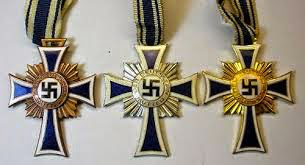
Hitler's Mother's Cross Awards Bronze, Silver & Gold
- Both parents should be 'pure-blooded' German without any Jewish blood going back to the 4th generation of grandparents.
- Mothers should be cleared of any criminal and moral offences.
- Children should not be born with any hereditary or genetic disorders.
Note
During the post-WWI years, cosmetics, short hair, trousers and French fashion were adopted by German women.
The Nazis believed that such fashion contributed to the moral degradation of German women, so they adopted the following policies:
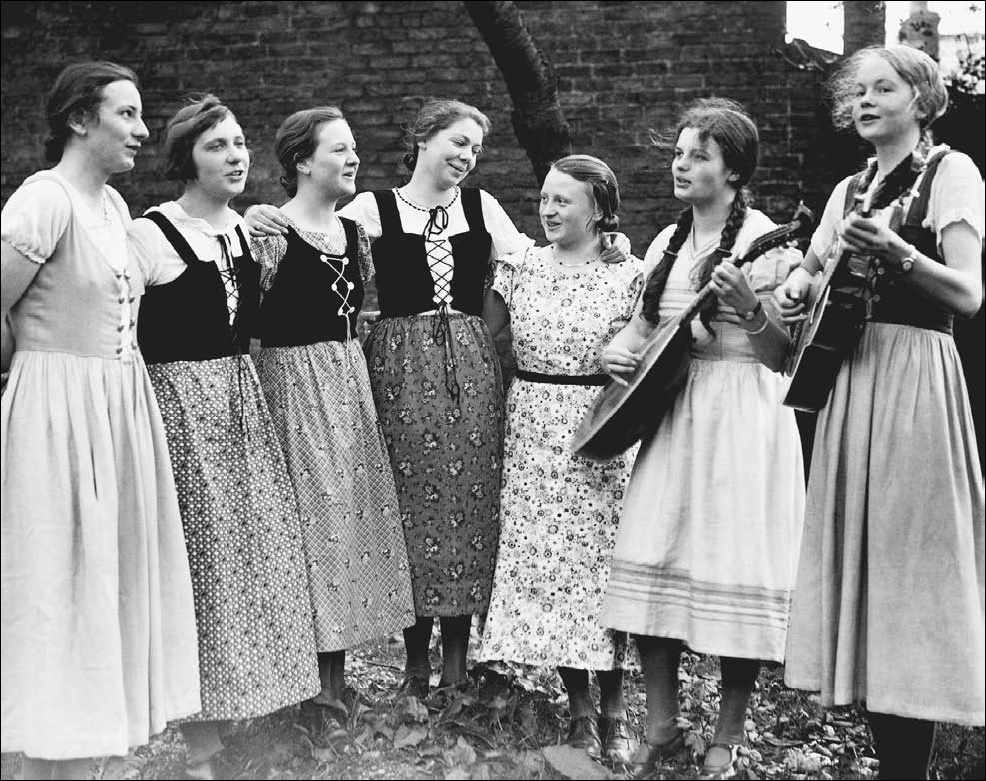
Image of German schoolgirls wearing traditional clothing
- French, American and Jewish influences on clothing were prohibited. Only Aryan-designed and manufactured clothes were allowed in the Third Reich.
- Aryan women were discouraged from using cosmetics and indulging in unhealthy habits like drinking alcohol, smoking and doing physical activities that impacted birth rates.
Note
In May 1933, Adefa or Arbeitsgemeinschaft Deutsch-arischer Fabrikanten der Bekleidungsindustrie, a clothing manufacturing association, was established to secure Aryanisation of fashion.
On Employment for women
In terms of employment, German women were discouraged from working. The Law for Reduction of Employment was introduced, which gave women incentives to stay at home.
Note
They were not eligible for conscription to help with the war effort until 1943. Despite lower wages for female labour from 1933 to 1939, their employment rate still rose by 2.4 million.
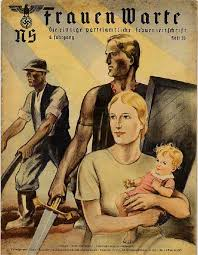
Image of a magazine cover depicting the idealised role of women, according to the NSDAP
On Homosexuality
The first crackdown on homosexuality began in February 1933. The purging was led by Ernst Röhm, leader of the SA. Gay groups were banned, while sex publications were outlawed. To avoid being sent to concentration camps, many gay men committed to heterosexual relationships, while others got married.
Between 1933 and 1945, homosexuals were persecuted and placed in concentration camps. In 1933, books about the human sexuality was banned. The Gestapo also began to close gay clubs. It is believed that about 60% of homosexual prisoners in concentration camps suffered a gruesome fate. Many were used in medical experiments in an attempt to 'cure' homosexuality.
<img src="https://simplestudy-assets-prod.s3.eu-west-1.amazonaws.com/assets/backend/uploads/manually-styled-note-images/2c19a70b-4e20-4658-8d9a-de09d2909d99.png" width="220" height="175" alt="Burned works of Jewish authors, the library of the Institut für Sexualwissenschaft, and other works considered "un-German", in Berlin, on 10 May 1933" />
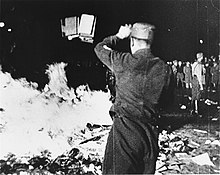
Burned works of Jewish authors, the library of the Institut für Sexualwissenschaft, and other works considered "un-German", in Berlin, on 10 May 1933