The diversity of other European migrants (OCR GCSE History B (Schools History Project)): Revision Notes
📚Revision Notes
The diversity of other European migrants including Jews and Romany Gipsies
Note
The growth of trade in Europe saw increasing mobility of people, particularly labourers and merchants. The following are just a snapshot of some of the people travelling to England in the early modern period.
JEWS
Who were they?
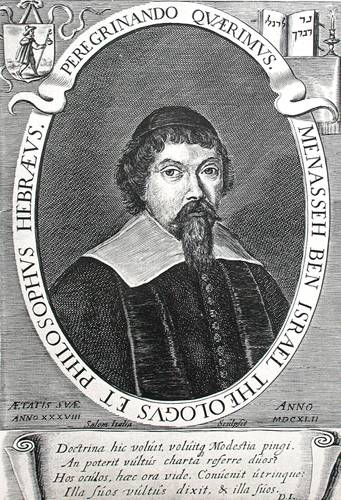
People of the Jewish faith and heritage, they were expelled from England in 1290. Only those who converted to Christianity were allowed to stay in England. In 1655, Oliver Cromwell was convinced by Rabbi Menasseh ben Israel to allow Jews experiencing persecution by Catholic Spain to take refuge in England.
Were they liked in England?
Cromwell believed that Jewish merchants would help the economy and support England against Catholic countries.
They had many restrictions placed on them, e.g. they couldn't serve in the army, go to university or be lawyers. This meant they worked in finance and trade.
In the wider community, popular English songs suggested they weren't very well-liked - portraying them as liars and cheats.
Note
The growth of trade in Europe saw increasing mobility of people, particularly labourers and merchants. The following are just a snapshot of some of the people travelling to England in the early modern period.
GYPSIES
Who were they?
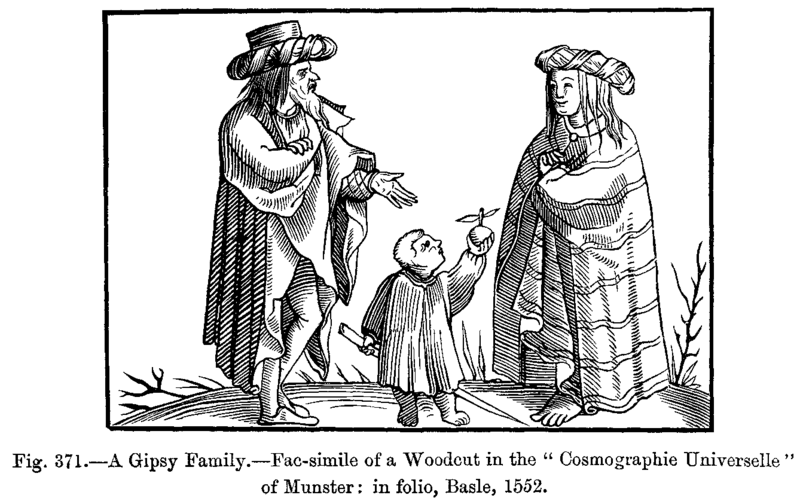
So named because it was believed they came from Egypt, Gipsies (descended from nomadic tribes in India) arrived in England at the end of the 15th century. They were pedlars, pot-menders, animal dealers and herbalists.
Where?
Eastern Europe, Balkans, and later western Europe.
Were they liked in England?
Very often, no. They had a different culture, which was threatening to the English.
Along with their different culture, their religious beliefs unsettled Christians, and in Tudor times, their nomadic lifestyle added to the problem of vagrancy.
Since they were of little economic benefit to England, harsh laws were enacted against them which included expulsion, and punishment of death.
Note
The growth of trade in Europe saw increasing mobility of people, particularly labourers and merchants. The following are just a snapshot of some of the people travelling to England in the early modern period.
HANSA MERCHANTS
Who were they?
German-speaking merchants belonging to the Hanseatic League. They controlled a vast network of trading routes in the North Sea, Baltic region and rivers of Northern Europe.
Where?
They had warehouses in the Steelyard in London from the 1400s.
Were they liked in England?
Not always, especially when they smuggled Protestant books in during Henry VIII's early reign. Other merchants were envious of their wealth.
In 1597, Elizabeth I expelled them from London as England's trade interests had shifted to the Americas.
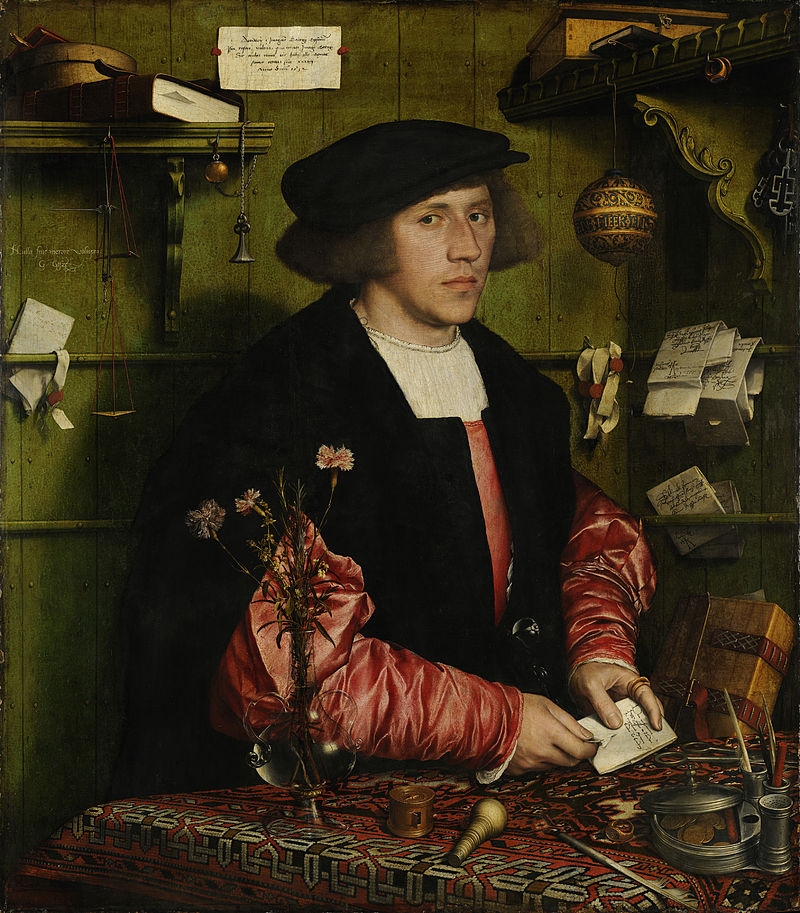
This portrait of Georg Gisze is by German Hans Holbein, the younger. Georg Gisze was a very wealthy Hansa merchant, seen by his silk clothes and other expensive finery: