Origins c.1070–1095 (OCR GCSE History B (Schools History Project)): Revision Notes
📚Revision Notes
Latin Christendom and the power of the papacy
Note
The Knight Templars were the first among a number of Military Monastic Orders during the Crusading movement. They were both knights and monks stationed in monastery-castles known as Preceptory or Commandery.
Organisation of Templar Knights
Knights
Always noblemen equipped with heavy cavalry composed of horses and squires.
Chaplains
Ordained priests providing for the Templar's spiritual needs.
Sergeants
Non-noble families with skills in blacksmithing and building, they fought alongside the knights.
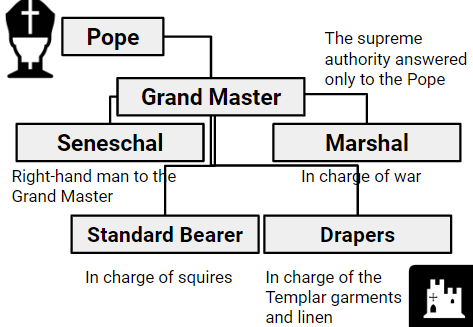
Hierarchy of Templar Order
Note
When the Holy Roman Emperor Henry III deposed three rival claimants to the papal throne, he installed a choice of his own and one was Pope Leo IX, who came into papacy in 1048.
A great promoter of the Cluniac Reform, he enforced the following:
- Attempt to end the practice of simony
- Abolition of clerical marriage and concubinage
- Establishment of Sacred College of Cardinals
- End of attendant abuses
- Or the buying and selling of spiritual offices
- Clerks and laymen were prohibited to marry
- Ensured independence of papal elections from imperial interference
- Offspring of clergy attempting to inherit Church properties

The Cluniacs
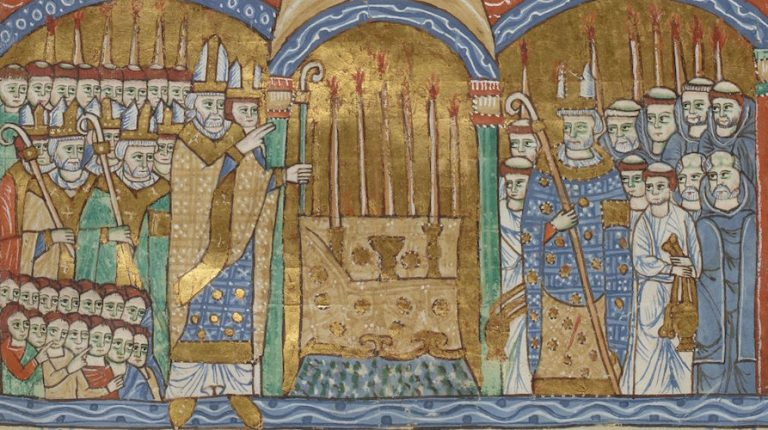
The Consecration of the main altar of Cluny III by Pope Urban II, the presence of abbot St. Hugh, from the Miscellanea secundum usum Ordinis Cluniacensis
The Cluniacs were the great monastic order of the 11th century founded by layman William I, Duke of Aquitaine, in 910. The Cluniac or Benedictine reforms spread independently in France, England, Italy and Spain. The monastery was built without any ties to local clergy, lords or emperors, rather it was directly under the Pope.
Their reforms demanded greater religious devotion by focusing on prayers, silence and solitude.
Aside from filling Romanesque churches with liturgies in gold altar vessels, fine tapestries and stained glass, Cluniacs promoted pilgrimage to the Holy Land and the Peace of God Movement.
The Peace of God, or Pax Dei, was a proclamation prohibiting nobles from invading churches, abusing women (both virgins and widows) and children, burning of houses and striking merchants. All punishable by excommunication. Due to its independence, all provisions were made directly for the Pope without the control of secular rulers.
In order to secure compliance with his reforms, Pope Leo IX popularised the office of the Pope through the Papacy tour where he visited Italy, France and Germany.
His successor, Pope Gregory VII, continued with Cluniac reforms.
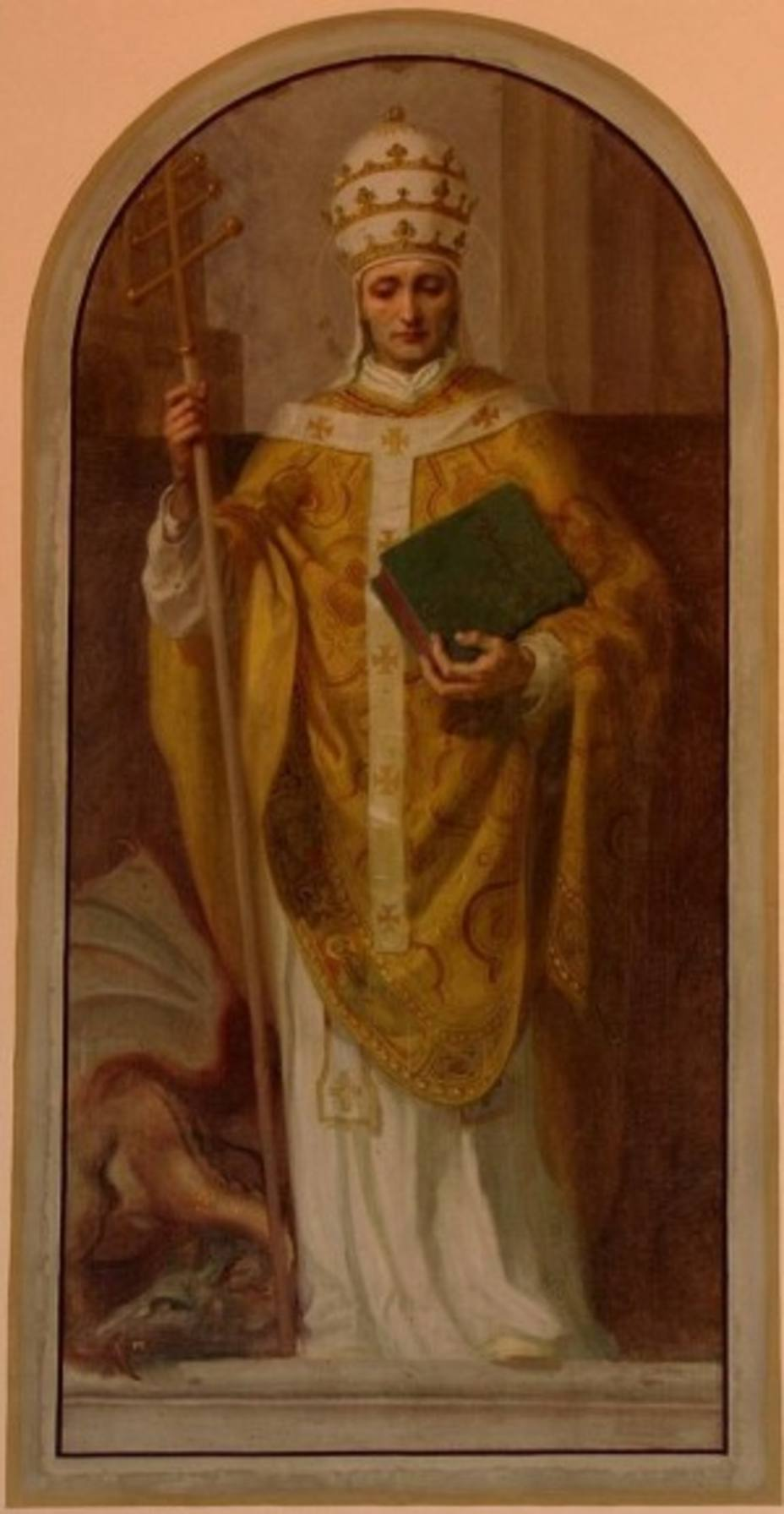
Image of Pope Leo IX
Pilgrimage
The heaviest years of pilgrimage took place during the 11th and 12th centuries. Priests taught people about purgatory, a place where people's souls are burnt after death because of sin. In order to please God and avoid the fires of purgatory, people went on pilgrimage. Pilgrims travelled 3000 miles to the Holy Land, while some went to Rome where the Pope lived.
Pilgrims
With much conviction to rescue the sacred areas, pilgrims became warriors and turned pilgrimage into a military campaign known as the Crusades.
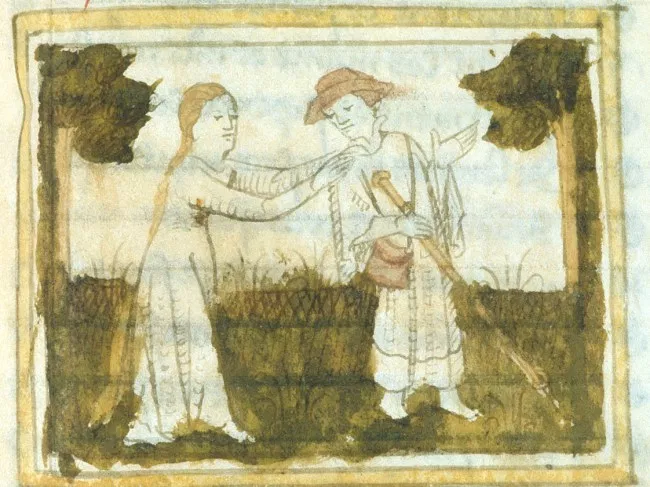
Medieval pilgrimage, British Library Egerton, 1069
Seljukian Turks
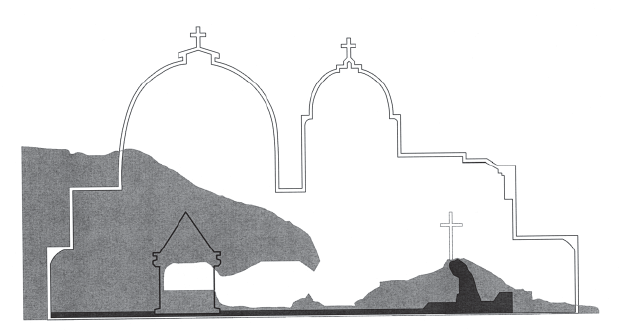
Holy Land
In 1049, the struggle between Pope Gregory VII and the young King Henry IV of Germany started when Henry IV insisted on the long-standing royal right to invest an ecclesiastical office.
Note
Papal Selection Before 1059

Successor

Current Pope
Effects:
- Religious schism
- Papal claimants known as antipopes
- Weakened the papacy
Note
Papal Selection Under the Gregorian Reform

Pope
College of Cardinals
- Defined a more independent papacy
The Investiture Controversy
The Investiture Controversy/Contest formally began in 1078 when Pope Gregory VII completely banned the investiture of Ecclesiastes by all laymen, including kings. The Concordat of Worms in 1122 differentiated royal and spiritual powers and gave the emperor a limited role in the selection of bishops.
Note
Investiture of Bishops and Abbots before the Controversy

Emperor
Bishops/Abbots
- Proliferation of simony
- Bishops became feudal lords
Note
Selection of Bishops and Abbots after the Concordat of Worms
Bishops/Abbots
Cathedral Canons
- Ended lay investiture and gave monarchy limited control over the elections
- Election free of consecration
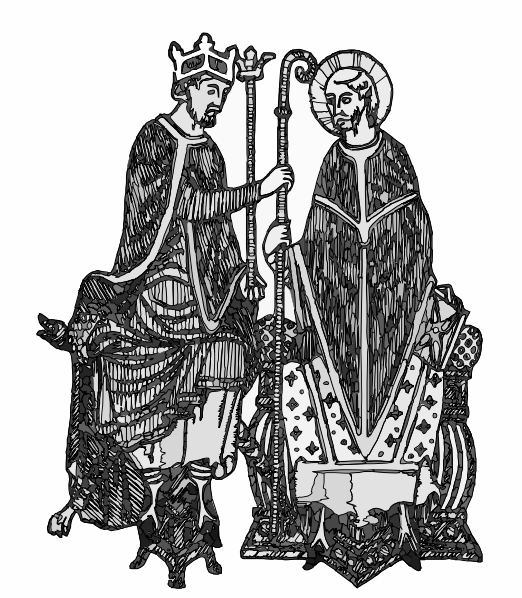
A woodcut by Philip Van Ness (1905), A mediaeval king investing a bishop with the symbol of office
Note
The conflict did not entirely end with the Concordat of Worms. Disputes between the succeeding Popes and emperors reoccurred until northern Italy was lost to the empire.
Effects of the Controversy
Almost 50 years of civil war in Germany
Decline in imperial power
Strengthened local separatist forces
Power of the papacy grew stronger
Setting the stage for the
Crusades
After the introduction of reforms in the Church by Emperor Charlemagne, tensions between the Pope and the emperor increased. The Gregorian Reforms in 1075 further heightened the changes in the governance of the Church and put at stake its relationship with the imperial government.
Beliefs of Pope Gregory VII
- Believed that the Church was the supreme authority on Earth.
- Used excommunication to resolve conflicts of Church and State.
- Strengthened the power of the Church through his reforms.
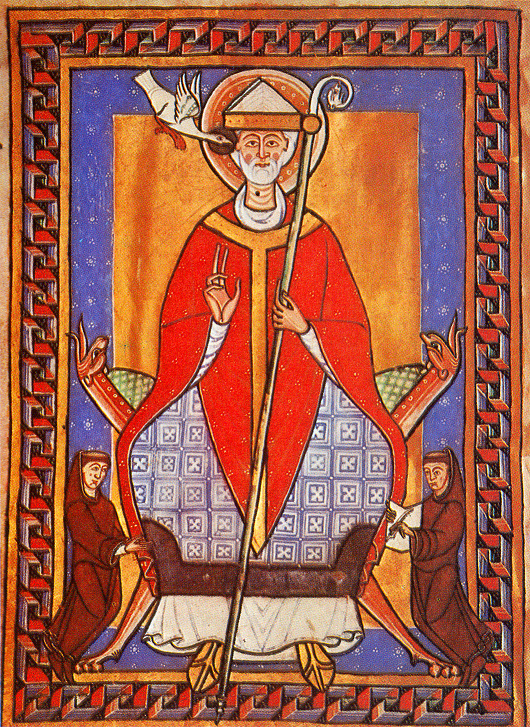
Medieval reformer Pope Gregory VII
Beliefs of King Henry IV of Holy Roman Empire
- Believed that, as king, he had the right to appoint Church officials.
- Sought the Pope's mercy after being excommunicated for fear of a vassal rebellion.
- Forced to abdicate the throne by his son.
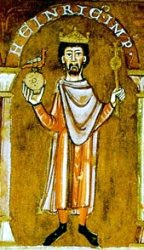
King Henry IV of the Holy Roman Empire
Task 1
Note
Read the interpretation and then answer the questions that follow. Using your own understanding of the historical context, to what extent do you agree with this interpretation? How important was the Crusading movement for the Church?
"the papacy claimed to be outraged that the holy city was in the hands of unbelievers" and "the papacy actually feared that the Seljuk Turks would be less accommodating to Christian pilgrims than the Muslims had been..."
John McKay, Bennett Hill, and John Buckler, in A History of Western Society (1995), 282–86
Task 2
Note
Your task is to study Source B and then answer the question that follows. Based on your understanding of the historical context, what was the implication of the Cluny for the extent and power of the Papacy?
No secular prince, count, bishop, or king, was to enter the possessions of Cluny, or to sell, diminish, exchange or in any other way take from the monastery's property...
- William of Aquitaine William I, Foundation Charter of Cluny (910)
As cited by Ernest F. Henderson Select Historical Documents of the Middle Ages (London: George Bell and Sons, 1910), 329-33