Babur and his invasion of northern India: the beginning of the Mughal Empire, 1526–1530 (OCR GCSE History B (Schools History Project)): Revision Notes
📚Revision Notes
Babur and his invasion of northern India: the beginning of the Mughal
Empire, 1526–1530

Note
Also known as the Mogul or Hindustan Empire, the Mughal Empire lasted from 1526 with the invasion of young Prince Babur until 1868. Along with other Gunpowder Empires - the Ottoman Empire and Safavid Persia - the Mughal Empire was one of the leading powers of the Islamic world that ruled most of the subcontinent of India.
Zahir-ud-din Mudhammad
Nicknamed Babur, which means the Lion, Zahir-ud-din Muhammad descended from Timur the Lame and Genghis Khan of the Mongols.
In 1494, when his father Umar Sheikh Mirza, Emir of Ferghana, died, young Babur ascended the throne. Amidst numerous plots by his uncles and cousins, Babur was able to expand his estates. In 1497, he conquered the oasis city of Samarkand along the Silk Road.
The defeat of Babur
In 1501, Babur was challenged by Uzbek leader Shaibani Khan over the rule of Samarkand. Babur's rule of what is now Uzbekistan ended with his defeat.
After years of wandering in Central Asia, Babur finally consolidated a new army and marched to the mountains of Afghanistan. At the age of 21, he conquered Kabul and created a new kingdom.
In 1510, he made an alliance with the rulers of Herat and Persia to take back his old kingdom, Fergana. Despite his perseverance, Babur was once again defeated by the Uzbeks.
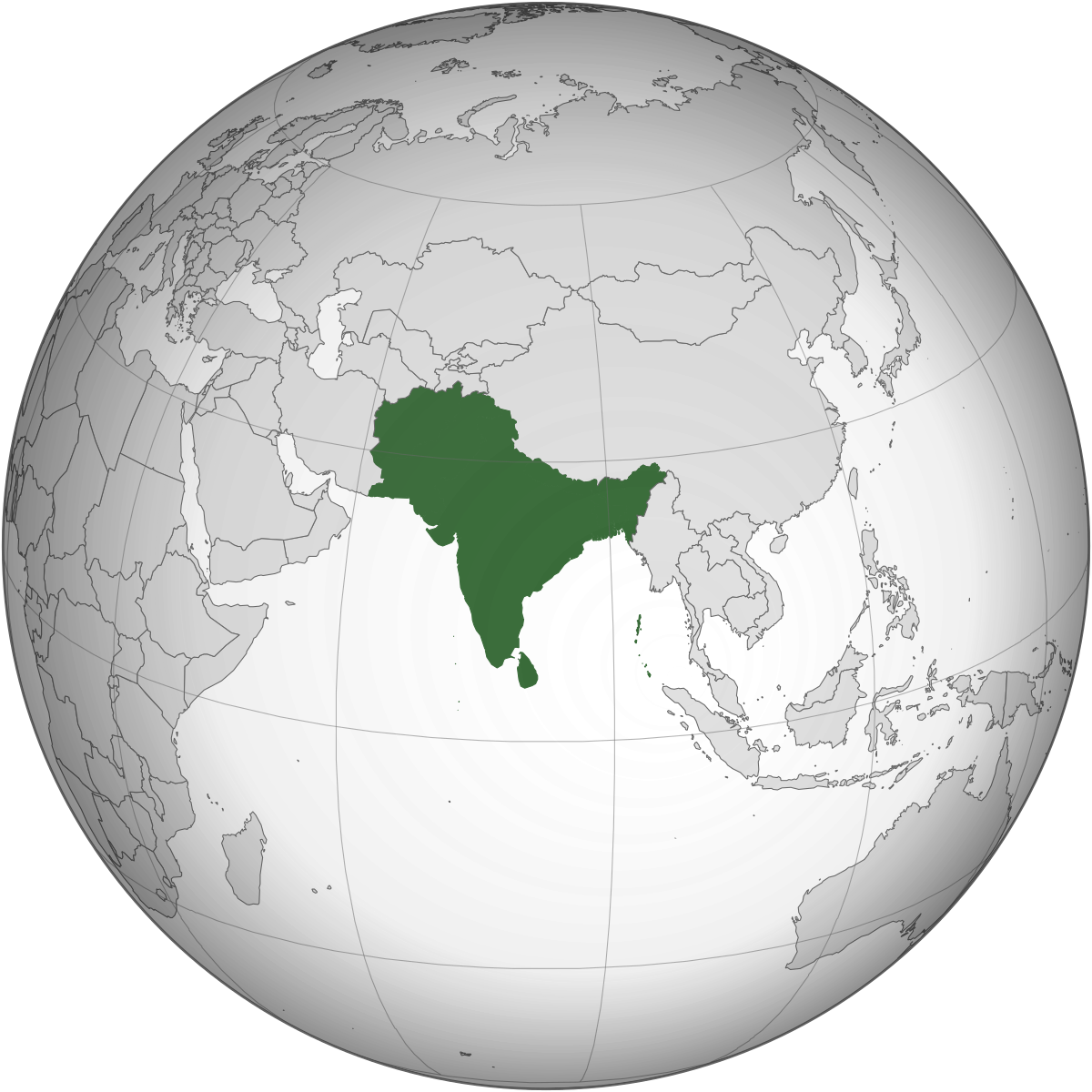

The deposition of Delhi Sultanate of Ibhrahim Lodi
Note
In 1521, Timurid Babur was invited by Afghan nobilities to depose the Delhi Sultanate of Ibrahim Lodi. In response, Babur gathered his army and began a siege on Kandahar. Many members of the nobility and officials of the Delhi Sultanate made an alliance with Babur.
Note
In April 1526, about 24,000 of Babur's army finally launched an attack on Ibrahim Lodi on the plains of Punjab. Sultan Ibrahim had over 100,000 men and 1,000 war elephants, but Babur had guns, which became a huge advantage.
Note
At the First Battle of Panipat, the Delhi Sultanate fell to Babur. Lodi was killed along with 20,000 of his men. The victory of Babur also marked the beginning of the Mughal Empire.
Note
The term 'Mughal' is derived from the word Mongol. Babur adopted the word to refer to his Mongol heritage. Despite its relation, the Mughal and Mongol Empires were different entities.
The House of Timur
Note
By the middle of the 16th century, the House of Timur established a huge empire. Babur, its founder, became the first Mughal emperor and ruled about 100 to 150 million people, most of which was Hindu population. He put an end to the 300-year-old Sultanate of Delhi.
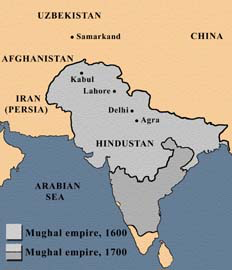
Map showing the Mughal Empire
Reasons behind Babur's conquest of Northern India
-
Political instability in northern India (Ibrahim Lodi, the ruler of the Sultanate of Delhi lacked political power, thus creating a number of enemies including Afghan and Turk nobles, and rulers of Punjab, Sind, Kashmir, and Mewar)
-
The enormous wealth of India
-
The ancestral claim of Babur that India was the land of the Timur
-
Insufficient wealth and revenue from Kabul
-
Military expansion to defend Kabul from Uzbek attacks
-
With much dislike of Lodi, Indian nobles and rulers invited Babur to depose the Sultanate of Delhi