The nature of the prize: northern India and its people c.1530 (OCR GCSE History B (Schools History Project)): Revision Notes
📚Revision Notes
The nature of the prize: northern India and its people c.1530

Note
Prior to Babur's invasion of northern India, Muslim rulers inhabited this part of the subcontinent for more than three centuries. However, their population was considered a minority. At the time of the Mughal Empire, Muslims remained an elite minority in India.
Upon defeating Lodi at the Battle of Panipat, Humayun and a number of warriors seized treasures in Agra, the capital of the Sultanate.
After being proclaimed as the new Emperor, Babur rewarded his loyalists with treasures he got from Delhi. With vast riches he uncovered in northern India, Babur decided to stay instead of returning to Kabul.
Religious tolerance:
Significantly, Babur brought Islam of Central Europe to northern India.
Religious tolerance under Babur showed a mixture of Indian, Mongol, and Persian cultures. Babur permitted the building of new Hindu temples. Moreover, trade in the Islamic world was highly encouraged.
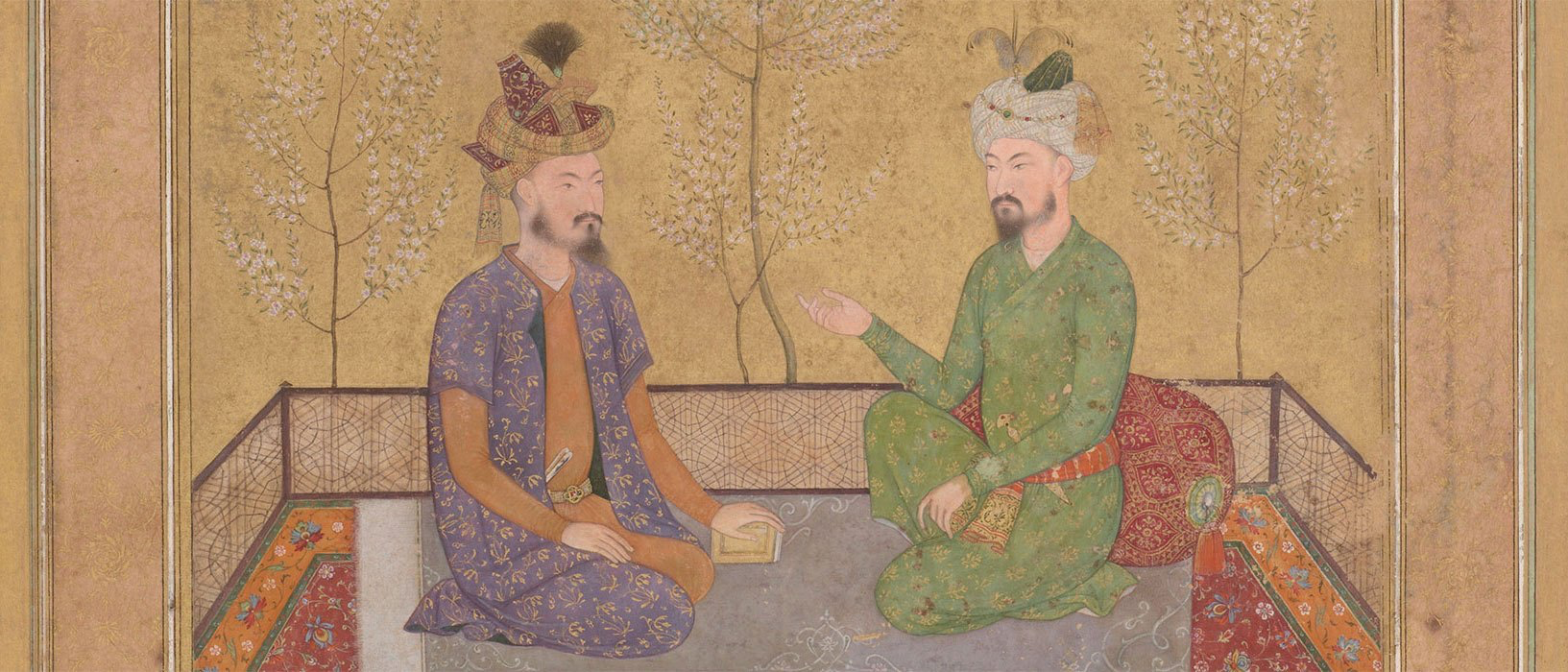
Image depicting Babur and Humayun
Note
When Babur died in 1530, the empire went into constant warfare between various rulers of northern India and the struggling Mughal Empire.