England on the eve of the conquest (OCR GCSE History B (Schools History Project)): Revision Notes
📚Revision Notes
Anglo-Saxon culture: buildings, art and literature
Anglo-Saxon culture was visible in the buildings of the time, which were mostly made of wood. The rich woodlands in England yielded not only the raw materials for the buildings but a wide variety of speciality building products. Whilst most of the buildings were wood-framed, the stone was also used in many structures such as in churches.
Note
The Anglo-Saxon word for building is timbe.
What types of buildings were there in Anglo-Saxon England?
Note
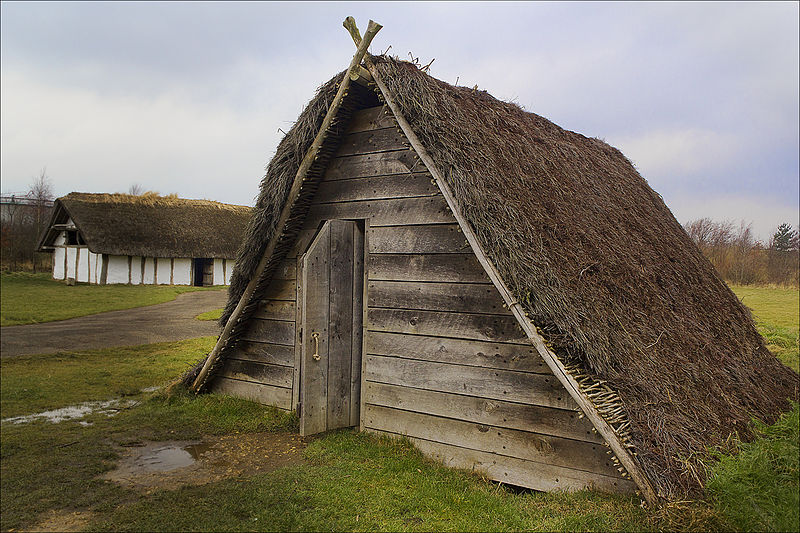
A reconstructed sunken featured building
Sunken featured buildings
- These buildings consisted of a shallow rectangular pit with a flat base and a central posthole at either end.
- These were made of wood with roofs thatched with straw.
- There is strong evidence to suggest the pit might have been filled with straw in the winter to provide a simple central heating system as it decomposed.
Note
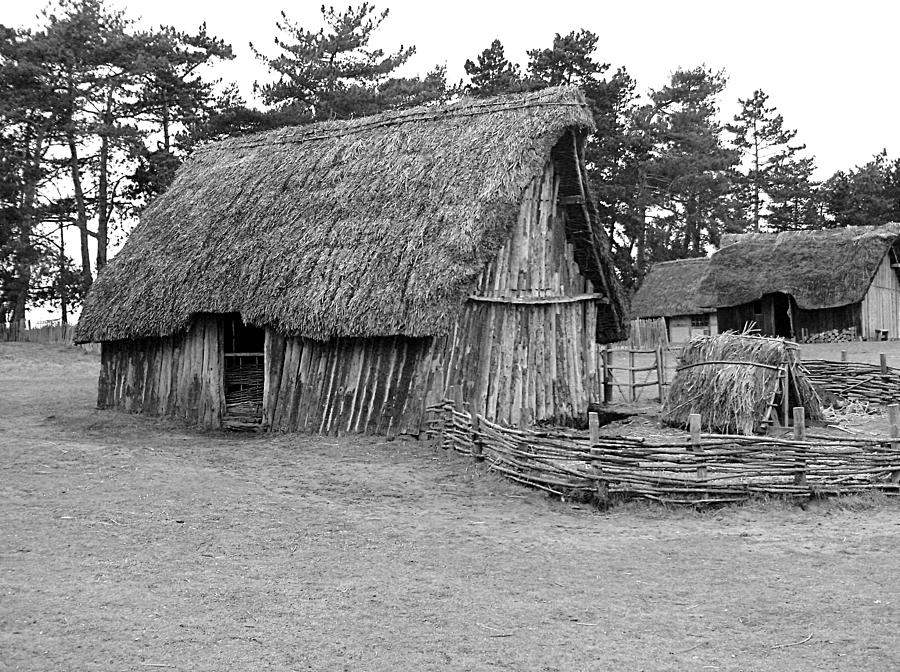
West Stow Anglo-Saxon House
Framed buildings
- These buildings consisted of a large number of posts set into the ground to form the basis of the walls.
- These were often larger than sunken featured buildings, and could have a second storey.
- The floor of these building could be packed earth, planked, or cobbled.
Note
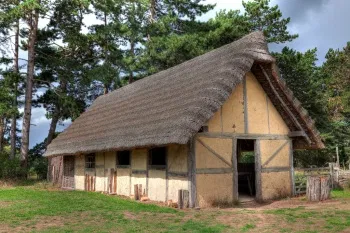
West Stow thatched Anglo-Saxon hall
Longhouses
- These buildings showed Scandinavian influences, and were used by wealthy thegns, reeves, ealdormen, lords, and kings.
- These were also used as feasting halls where the community would gather to socialise and where lords could formally receive visitors.
Stone buildings
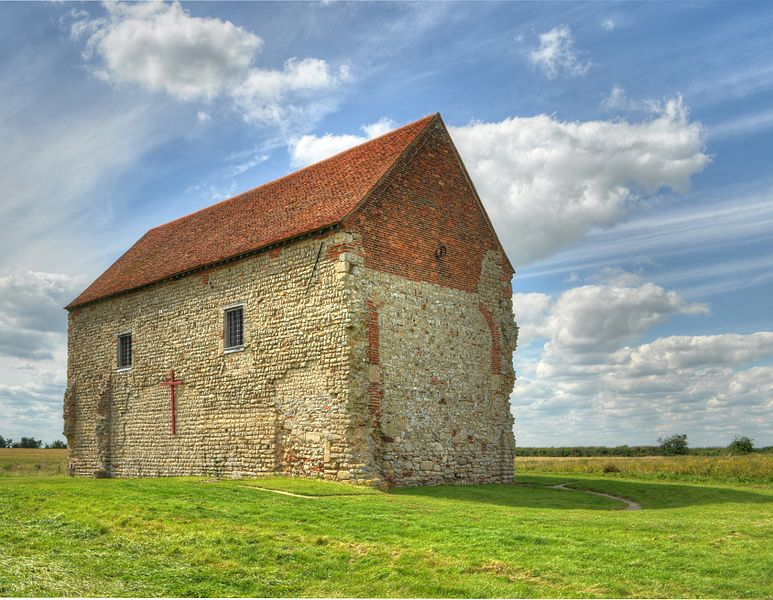
- Aside from churches, noblemen's halls were also built with stone.
- Some of the churches made with stone were:
Note
St Peters Chapel, Bradwell, Essex
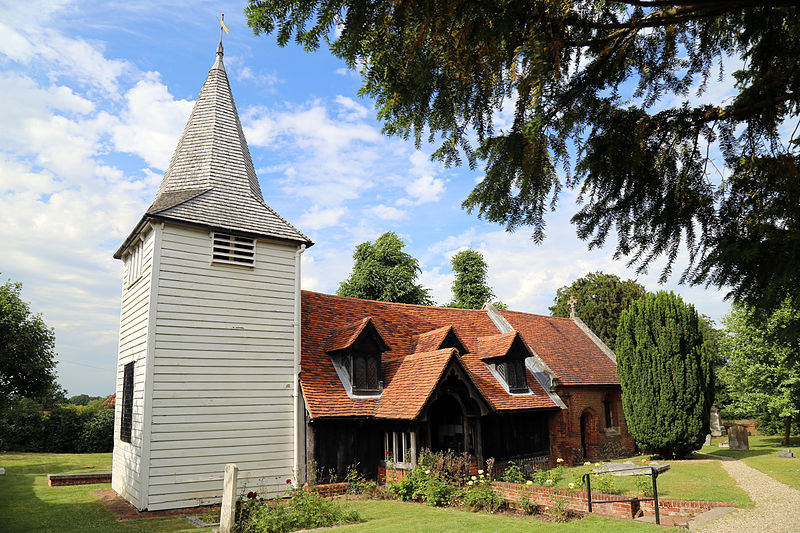
Note
St Andrew's parish church, Greensted in the civil parish of Ongar, Essex
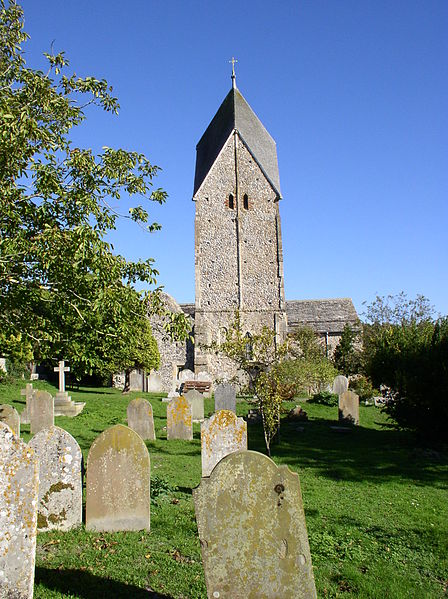
Note
Sompting Church, Sussex
Note
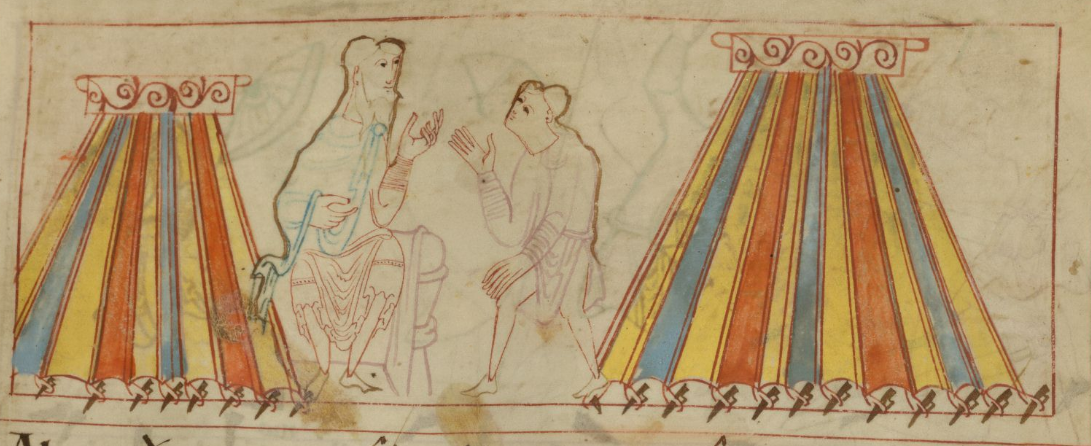
Aside from the buildings made with wood and stone, there is evidence that tents were also used in Anglo-Saxon England as illustrated in Old English Hexateuch. These tents were mainly used by armies on the march and by traders away from home.
Art
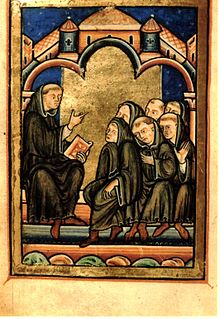
Anglo-Saxon art was evident in decorated jewellery, like brooches, beads, buckles, and wrist-clasps. As Christianity spread throughout the country, art was used to represent the belief including images, sculpture, jewellery, and manuscript illumination.
Examples of Anglo-Saxon art
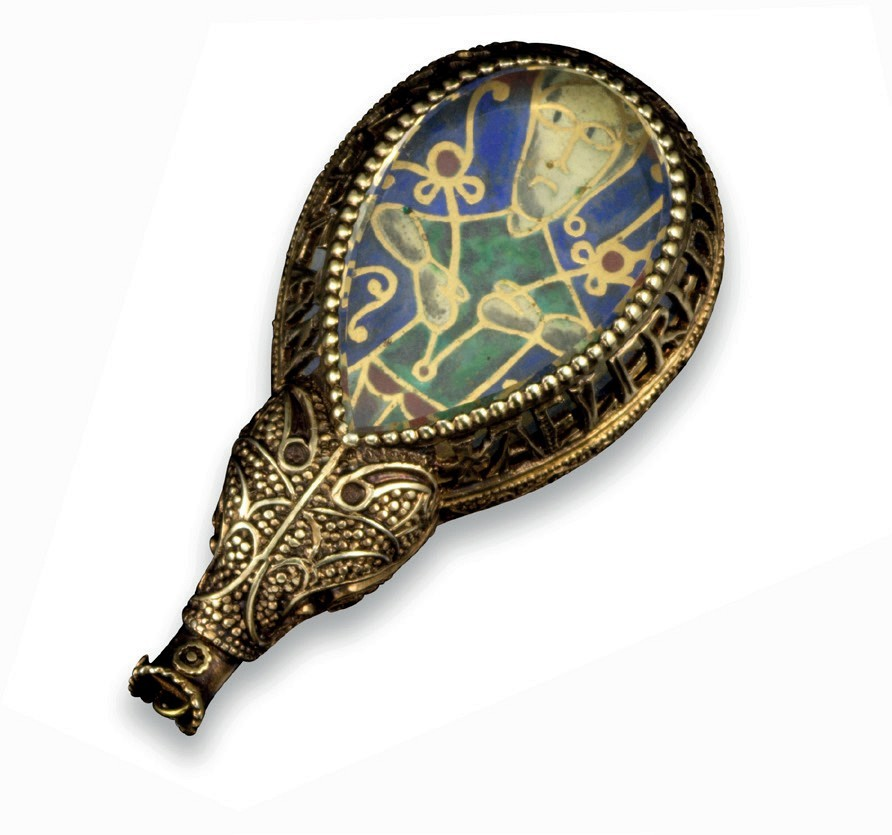
Alfred Jewel
The Alfred Jewel is one of the most celebrated Anglo-Saxon artefacts. Old English words were inscribed around the edge: 'ALFRED MEC HEHT GEWYRCAN', which means 'Alfred had me worked (made)'.
St Cuthbert Gospel
St Cuthbert Gospel is an early 8th-century pocket gospel book and an example of Anglo Saxon leather-binding decoration. It takes its name from Saint Cuthbert of Lindisfarne, in North East England.
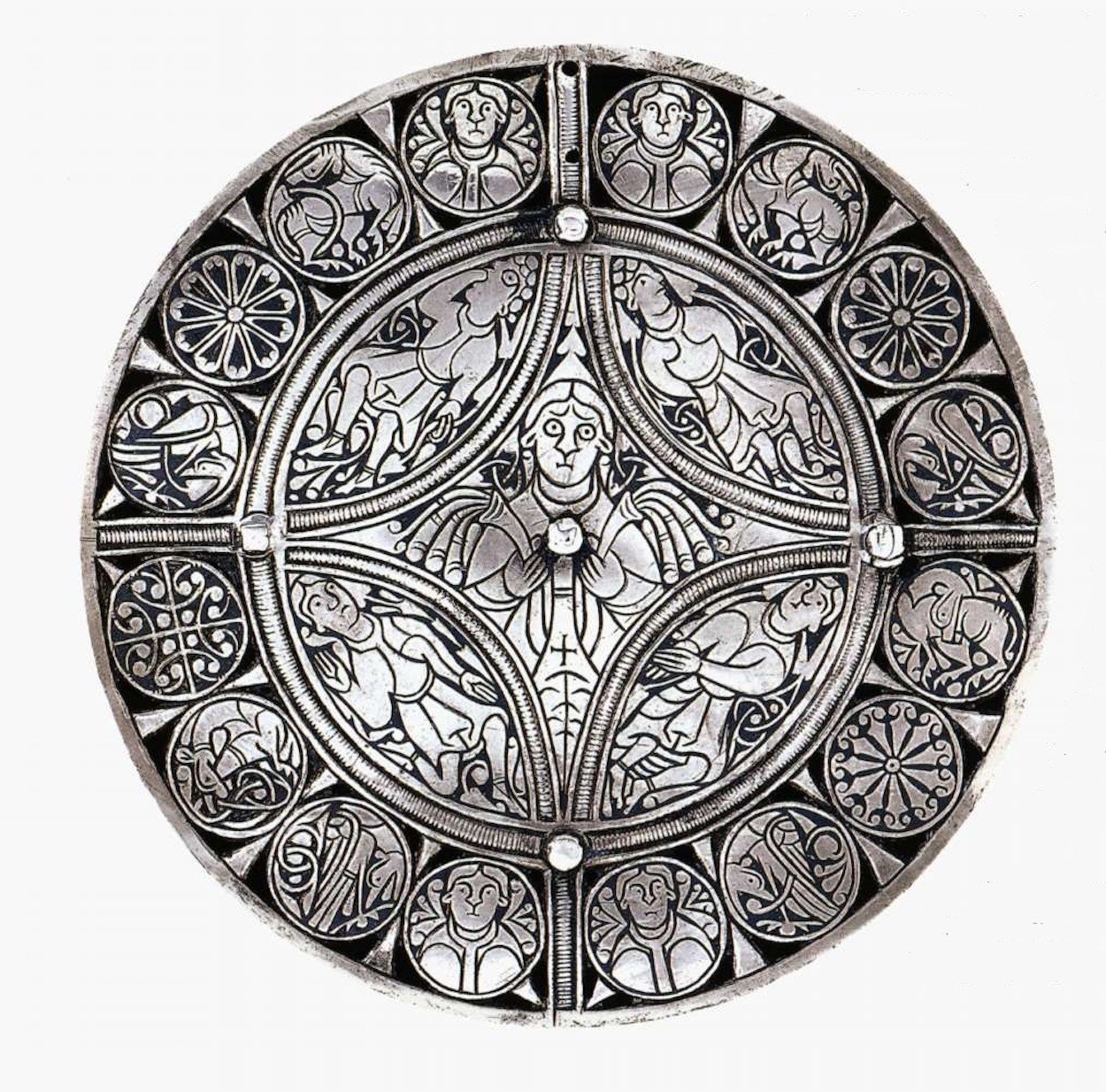
Fuller Brooch
The Fuller brooch is a silver and niello brooch made at the end of the ninth century. It represents the five senses:
Taste
Smell
Sight
Hearing
Touch
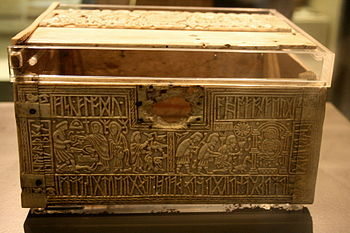
Franks Casket
Franks casket is a small Anglo-Saxon whale-bone chest that dates back to the early 8th century. It is decorated with knife-cut narrative scenes with inscriptions mostly in Anglo-Saxon runes.
What are the characteristics of Anglo-Saxon art?
- Anglo Saxon art was recognisable by the extensive use of bright and vivid colours especially in manuscript illumination.
- Anglo-Saxon metalwork and carvings were characterised by highly intricate work and densely decorated with symbolism
- Anglo-Saxon art was influenced by Celts and Franks.
Literature
Note
Much of Anglo-Saxon art was found in Church manuscripts. However Anglo-Saxon literature not only includes these manuscripts but also other genres such as epic poetry, hagiography, legal works, scientific and medical texts, chronicles, riddles and others.
Some of significant examples of Anglo-Saxon literature are :
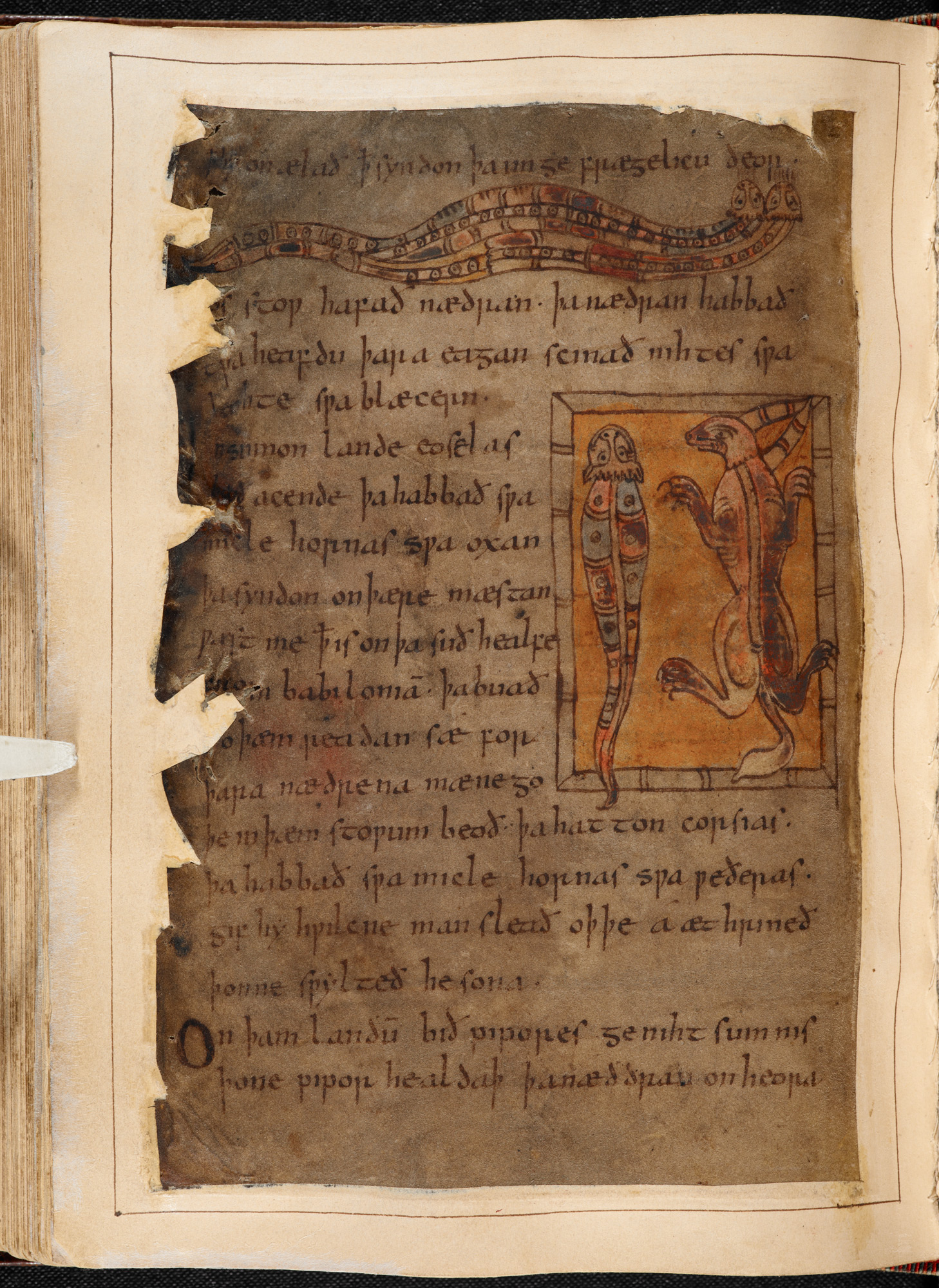
Marvels of the East
Marvels of the East was written in Old English. It is part travel guide, part quasi-zoological description, based on the Liber Monstrorum (Book of Monsters).
Beowulf
Beowulf is an example of heroic court poetry. The poem survives in a single copy in the manuscript known as the Nowell Codex. Its author remains anonymous.
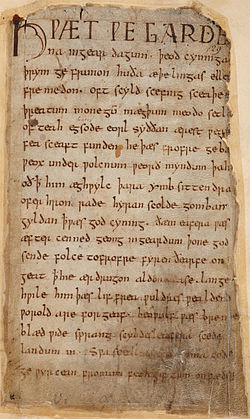
Glossary of terms
Viking raids
Violent attacks on England by seafaring Norse people from southern Scandinavia
Heptarchy
A collective name applied to the seven kingdoms of Anglo-Saxon England
Thegns
Local lords who were important people in their local communities
Ceorls
Freemen of the lowest rank in Anglo-Saxon England
Wergild
The money paid to the relatives of a murder victim in compensation for loss and to prevent a blood feud in Anglo-Saxon England
Witan
The king's council who provided him with advice and who could select the next king
Earldom
The rank and/or lands of an earl
Beowulf
An epic poem, which is one of the most important works of Anglo-Saxon literature
Exam Practise
Task 1
Note
Examine the sources carefully and write about the features of Anglo-Saxon society. Include in your discussion the hierarchy in government and the significance of the burh in Anglo-Saxon England.
SOURCE A
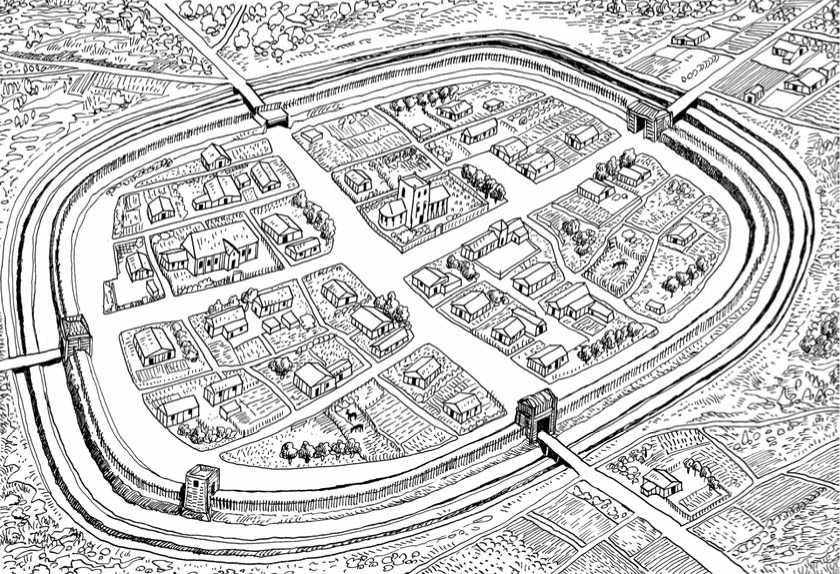
Anglo-Saxon burh
SOURCE B
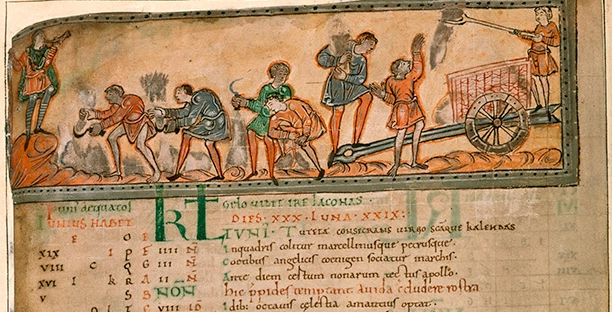
From an eleventh century manuscript
Task 2
Note
Compare and contrast the sources carefully. Make a substantial inference about Anglo-Saxon buildings based on the sources.
SOURCE C
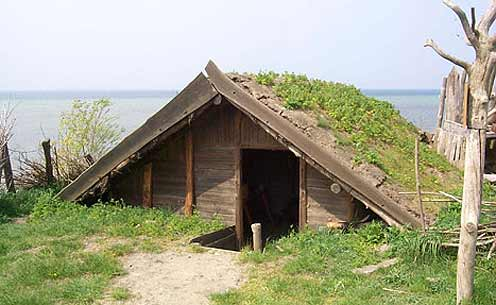
A reconstruction of an Anglo-Saxon sunken hut
SOURCE D
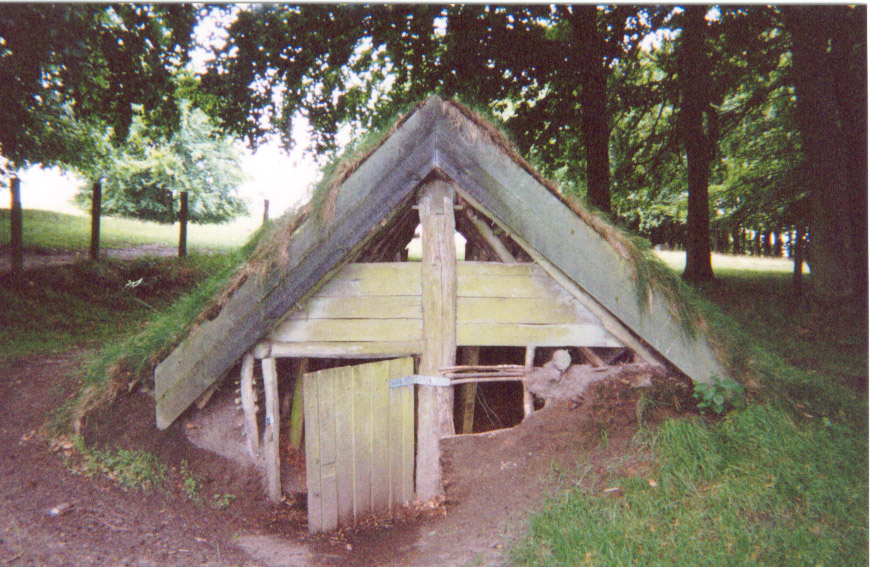
A reconstruction of a Viking pit house
Task 3
Note
Analyse the sources and make a substantial discussion about Anglo-Saxon art. Include in your discussion the significance of art in Anglo-Saxon religion.
SOURCE E
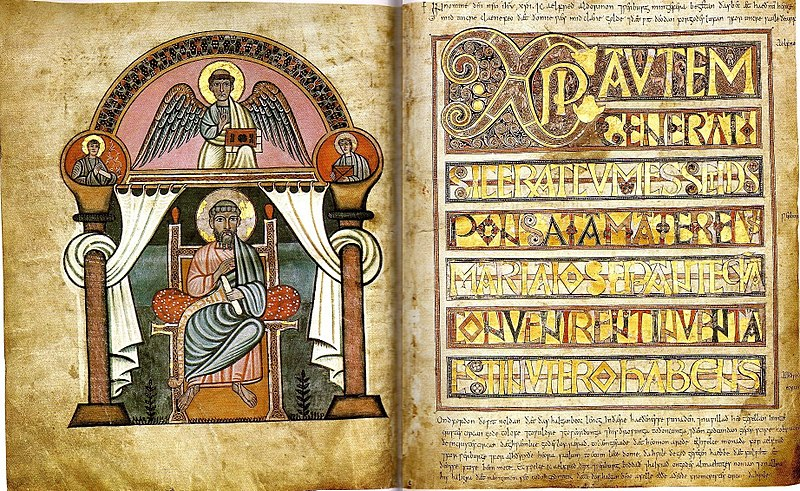
Stockholm Codex Aureus
SOURCE F
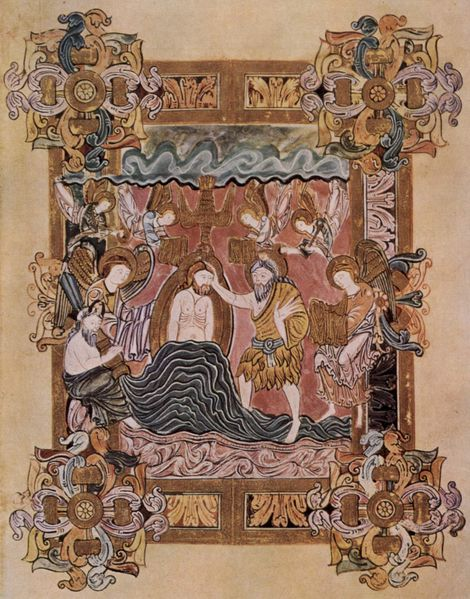
Benedictional of Saint Æthelwold,